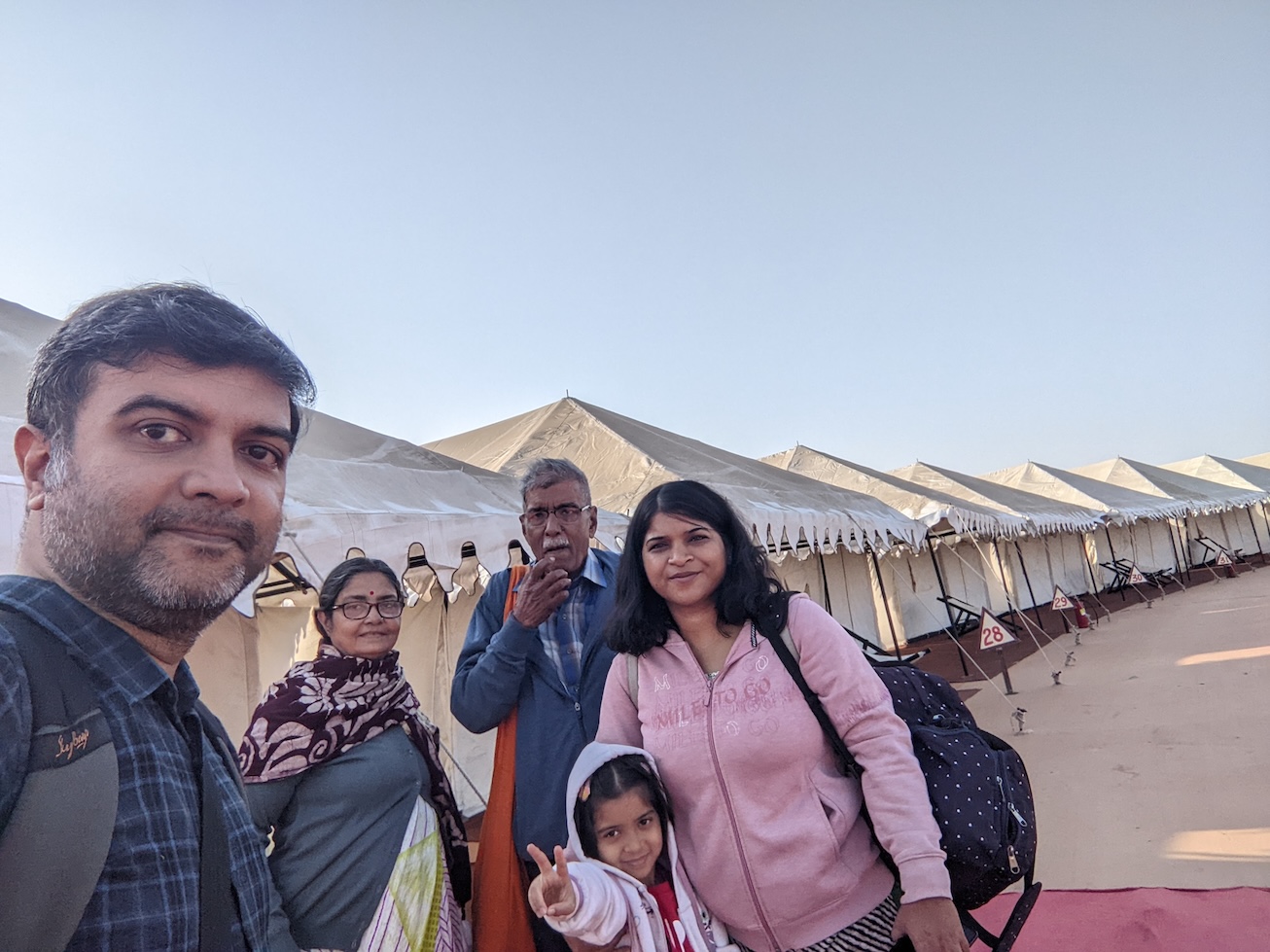
In February 2025, we made a trip to Kutch to experience the much famed Rann Utsav. Those photos of an endless stretch of white desert, which you get to see in almost every Gujarat Tourism advertisement, had long made me curious about this place.
We had booked a 2 nights, 3 days package at Rann Utsav – The Tent City, Dhordo. We had booked 2 Non-AC Swiss Cottages. The package included all meals, pickup and drop from Bhuj, and some sightseeing around Dhordo.
Day 1 – Bhuj to Dhordo, The Tent City
We reached Bhuj by train from Jaipur in the morning. Just outside the Bhuj railway station, the Rann Utsav organisers had set up a large tent which served as a waiting lounge for guests coming to the Tent City. There were buses scheduled at regular intervals from here to Dhordo.
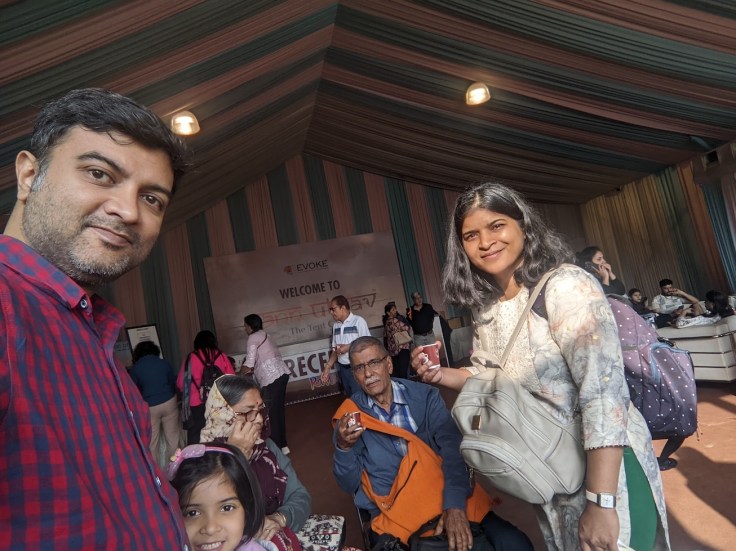
Dhordo is around 85 kms from Bhuj, and the journey takes around 1 hour and 45 minutes.
We took the bus at around 10am, and it was almost lunchtime by the time we reached the Tent City. We checked in and headed for lunch.
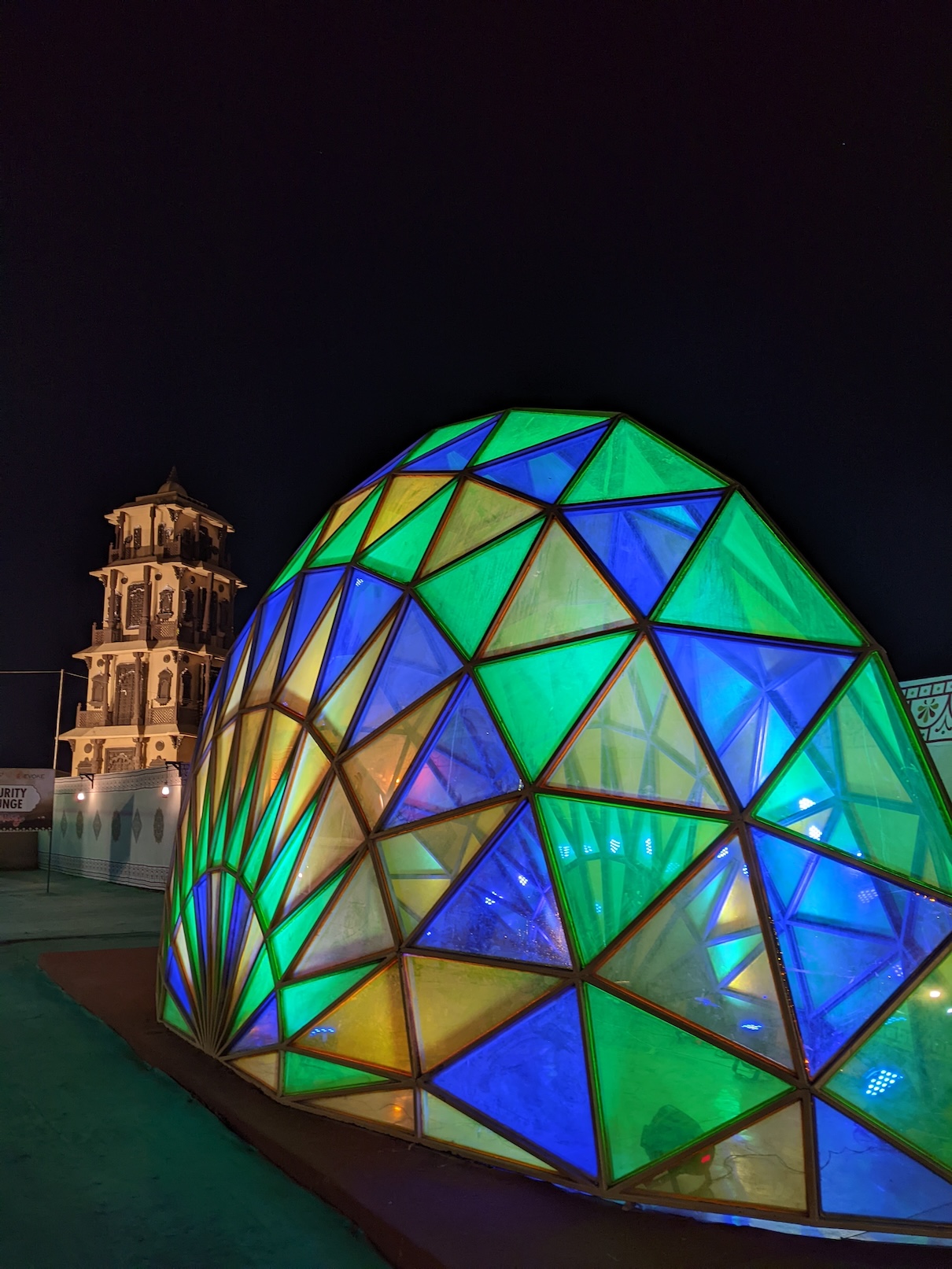
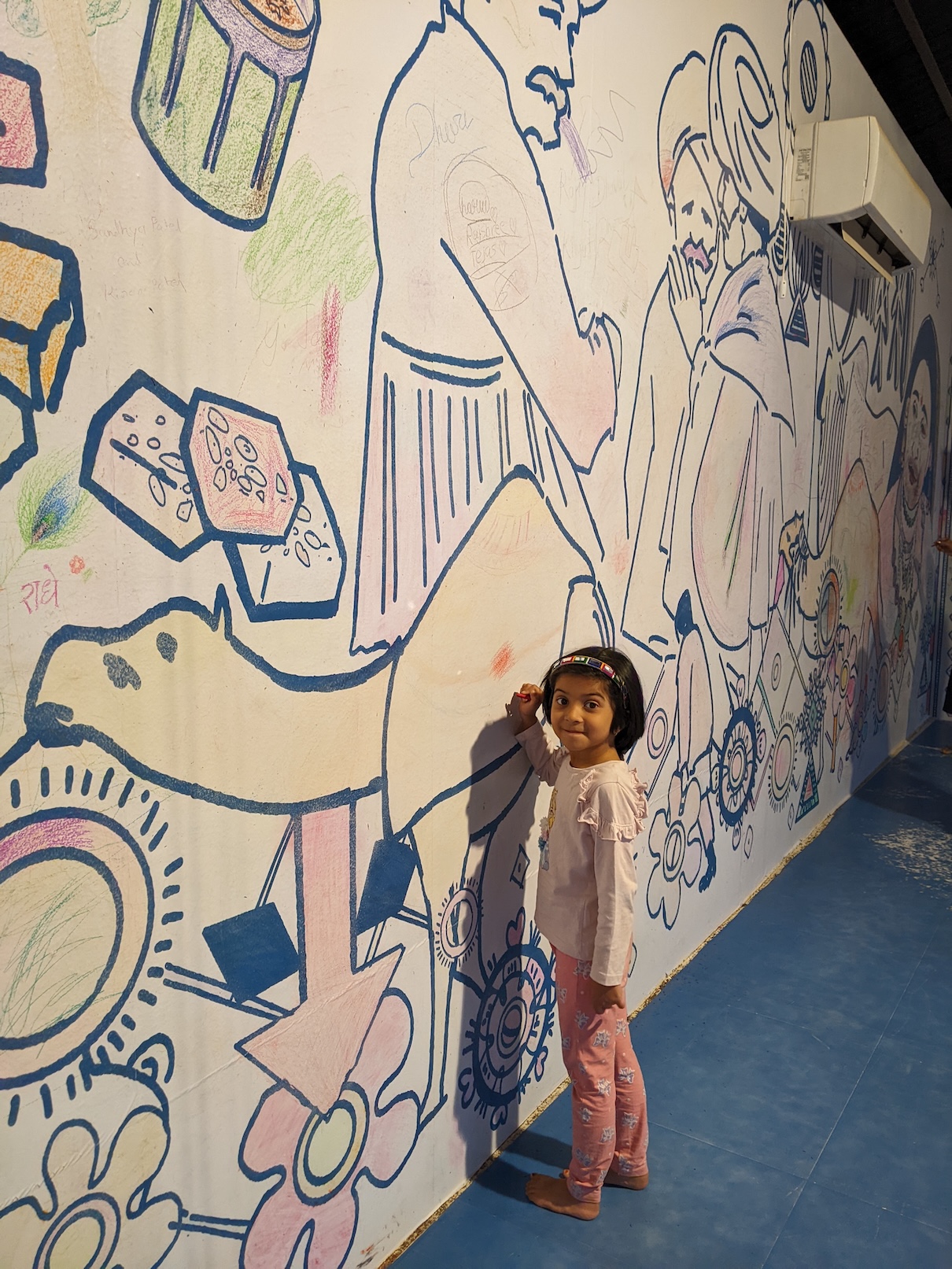
The whole Tent City is a temporary township constructed for the duration of the Rann Utsav. Apart from the numerous tents, there are dining areas, handicraft stalls, cultural activity areas and various recreational activities. The package also includes evening cultural programmes showcasing the music and folk dances of Kutch.
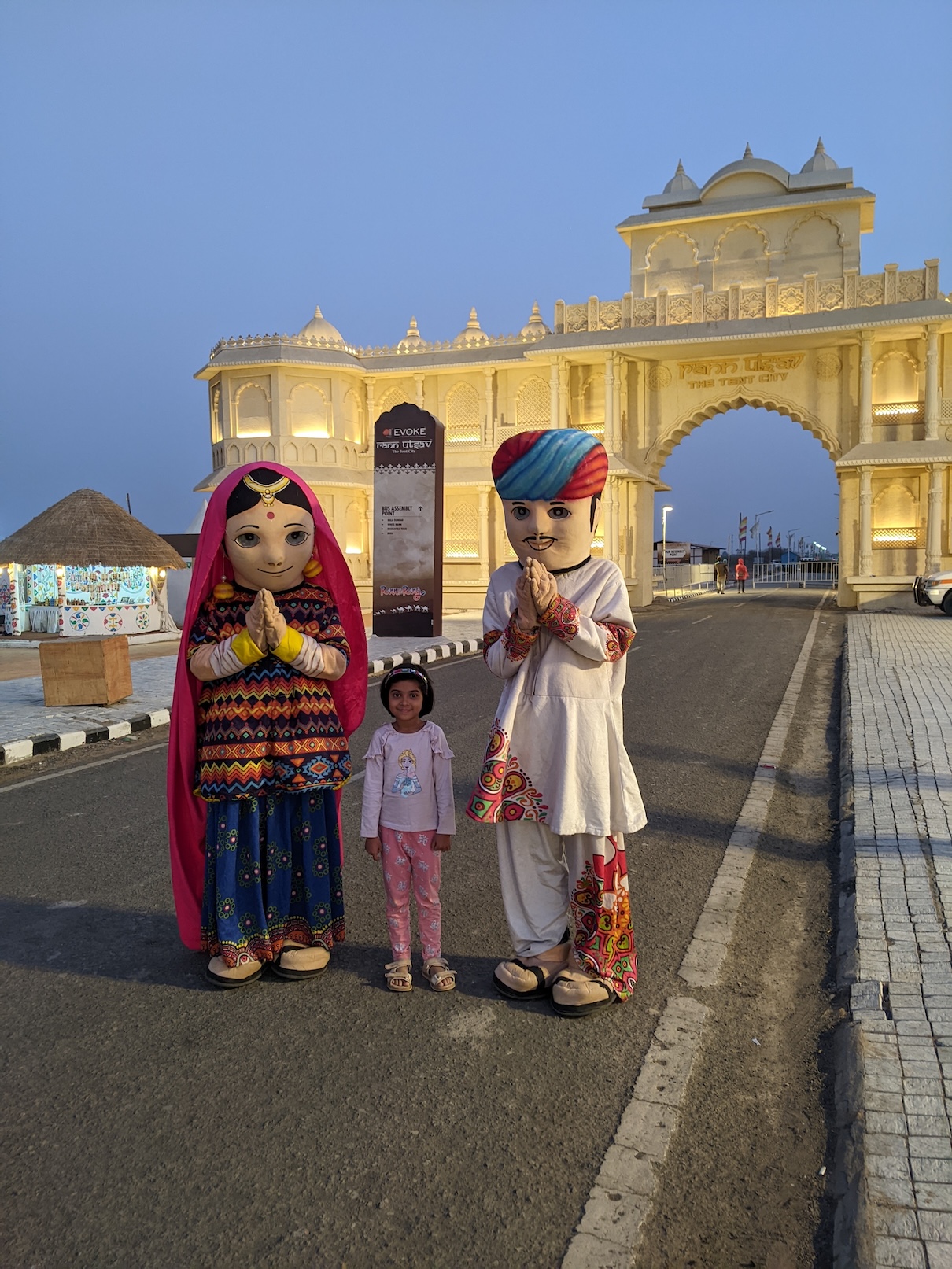
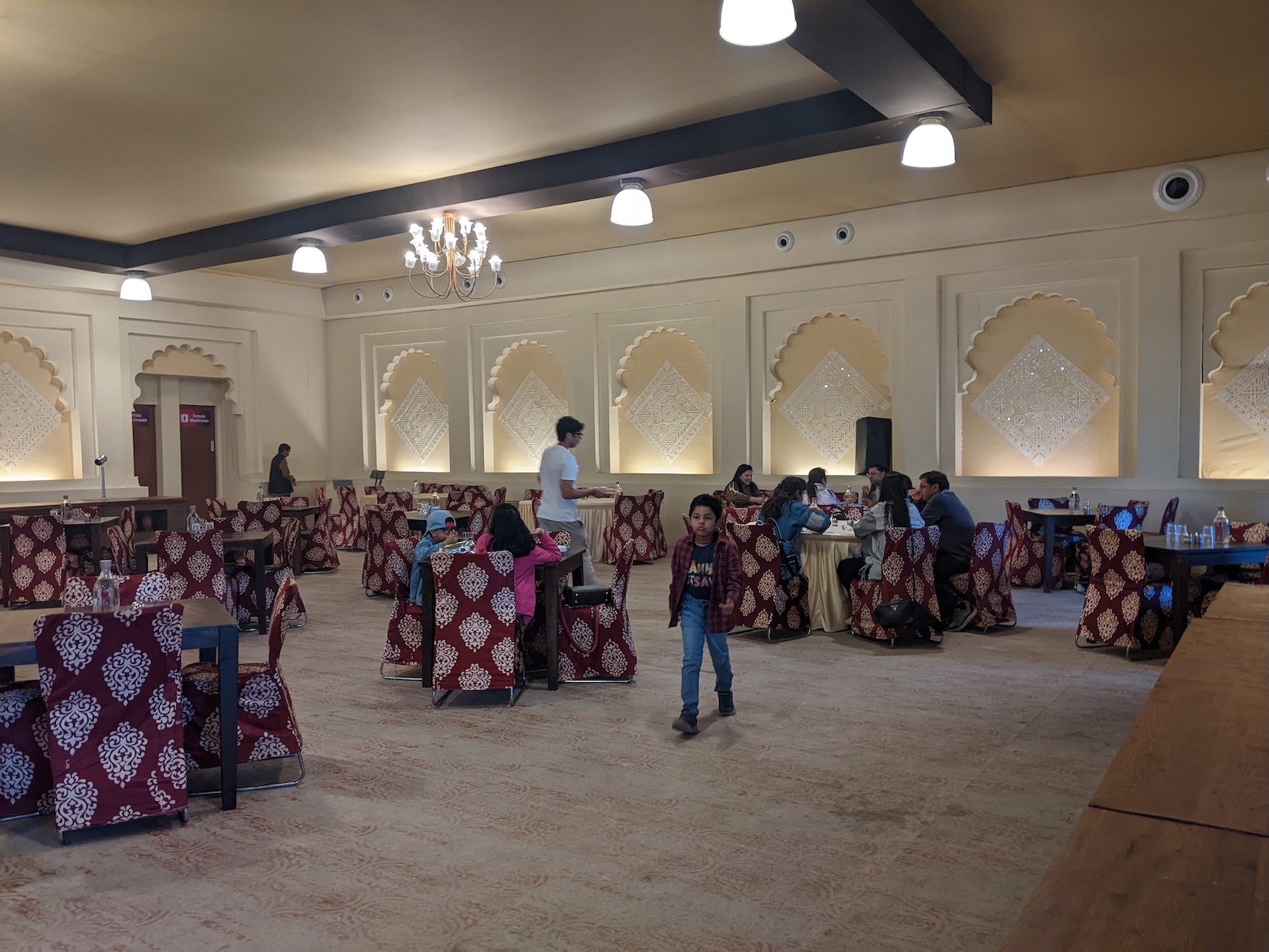
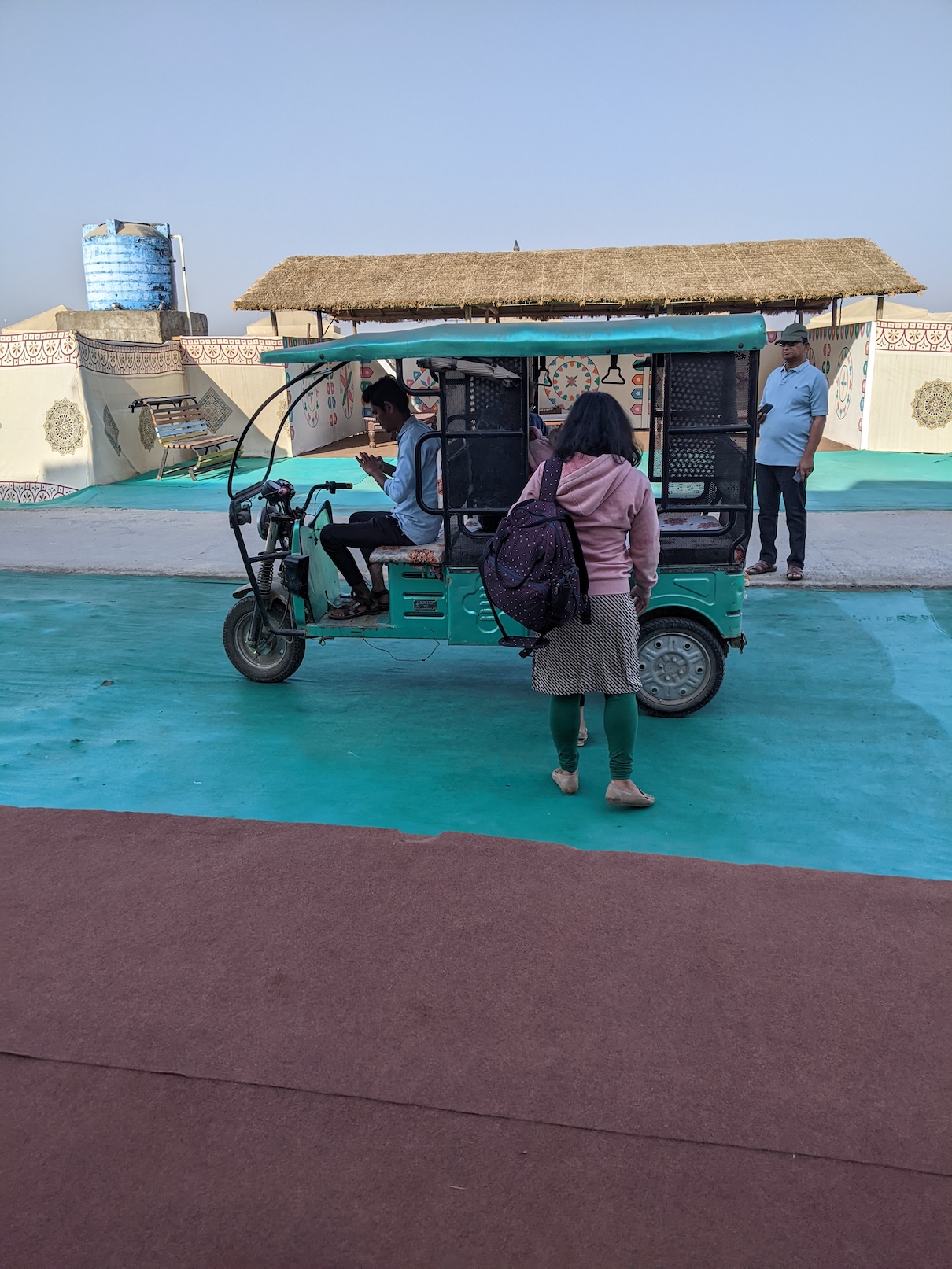
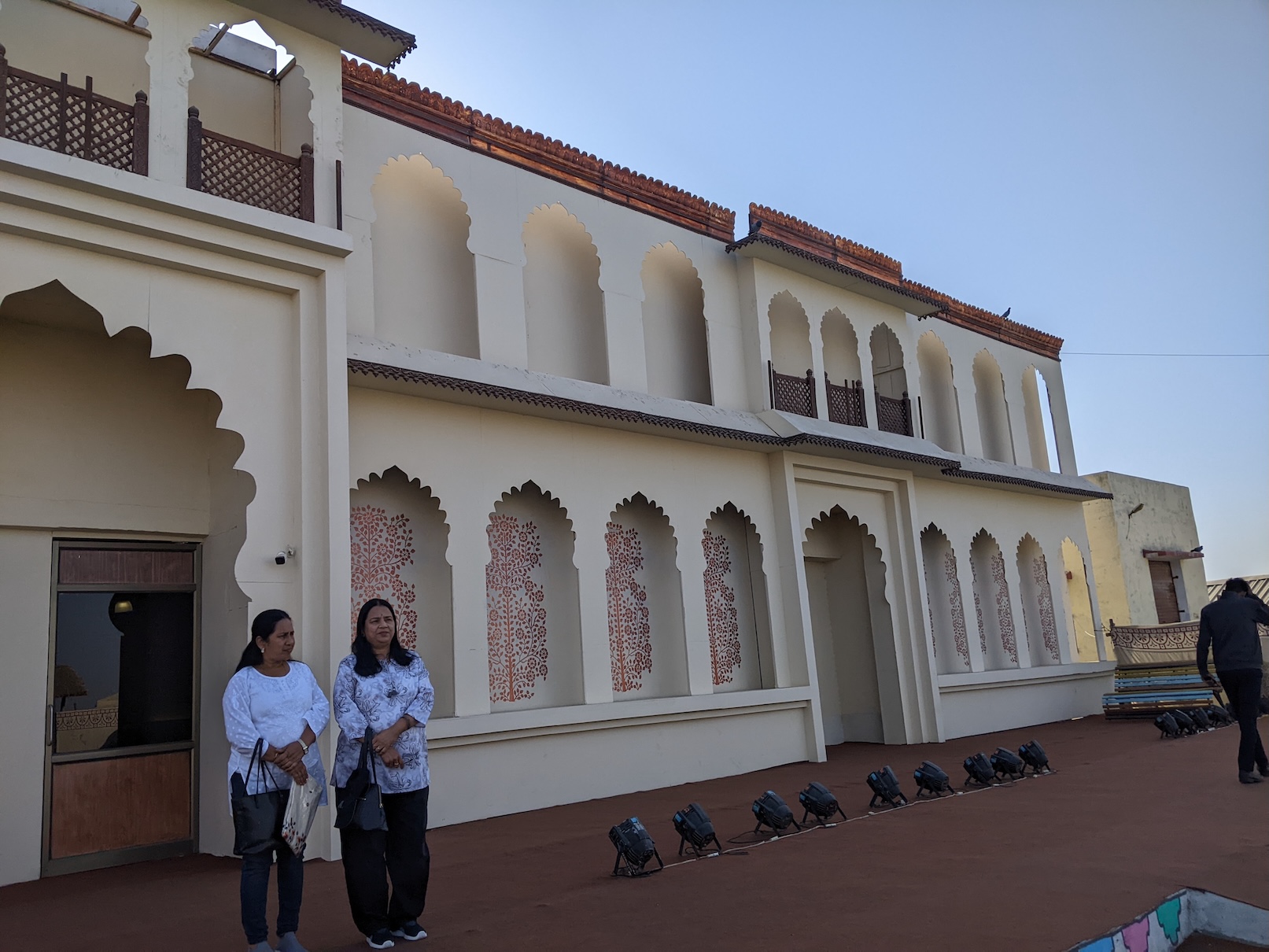
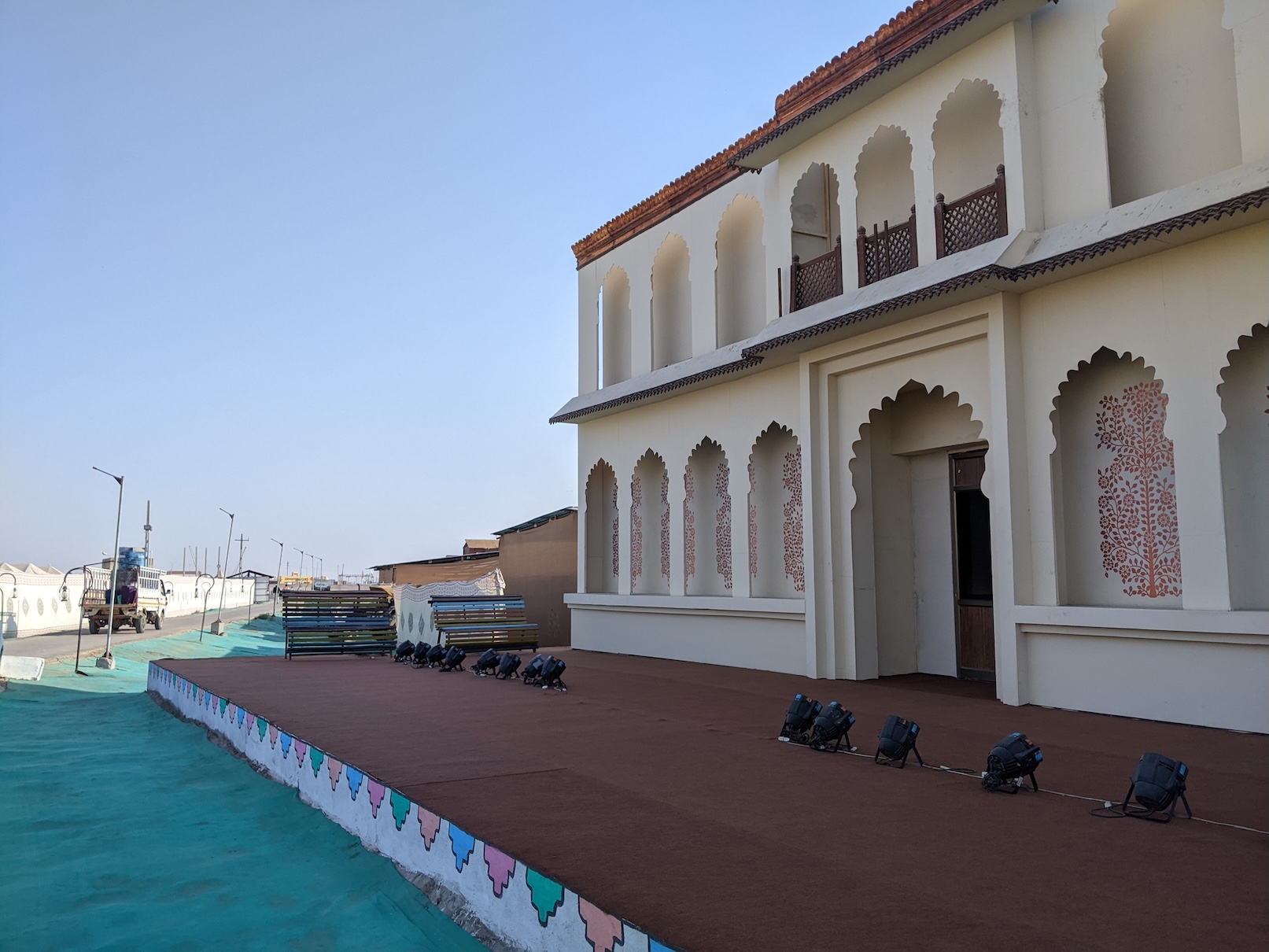
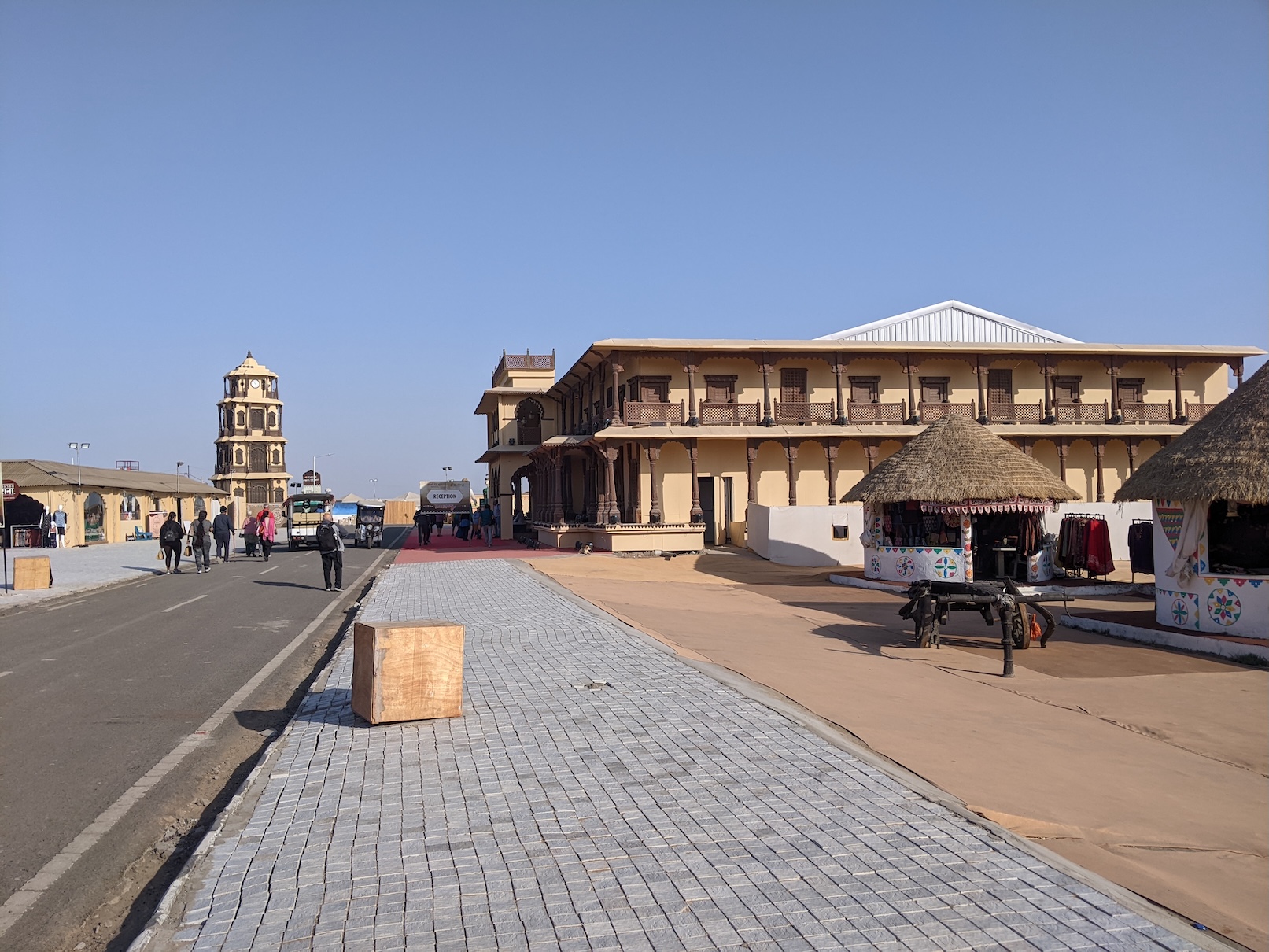
Post lunch, we were to be taken to the White Rann for sunset. There were buses from the Tent City which would take us there and bring us back after sunset.
The White Rann – Not so white!
We reached the White Rann quite some time before sunset.
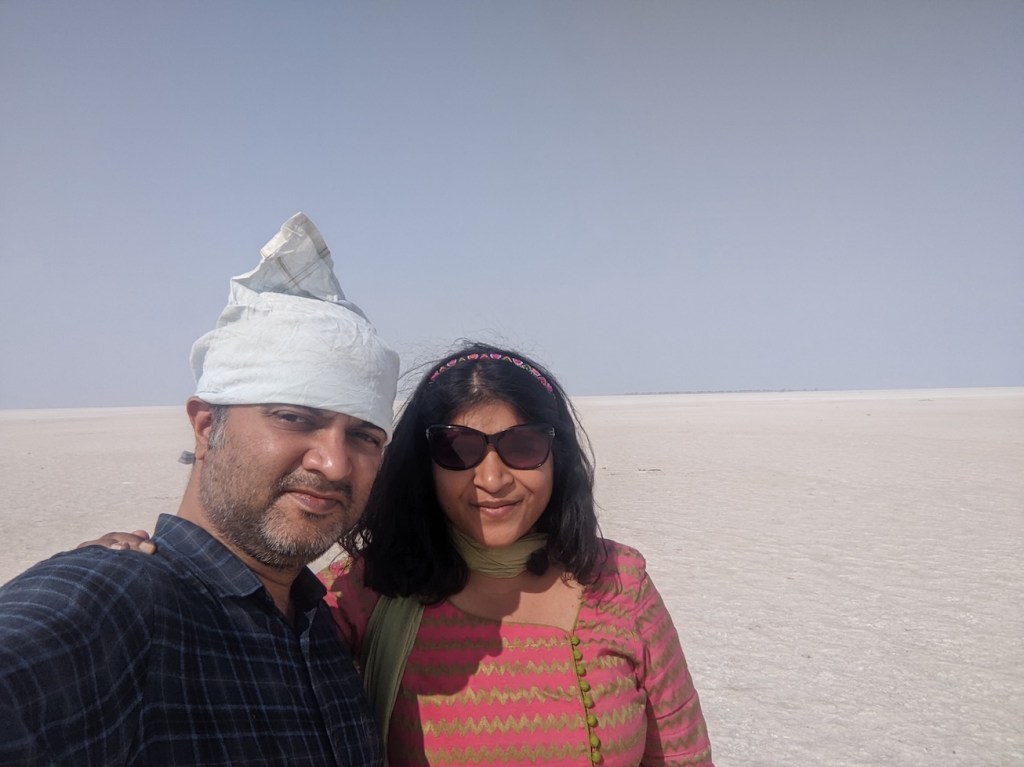
And well… the White Rann wasn’t really that white!
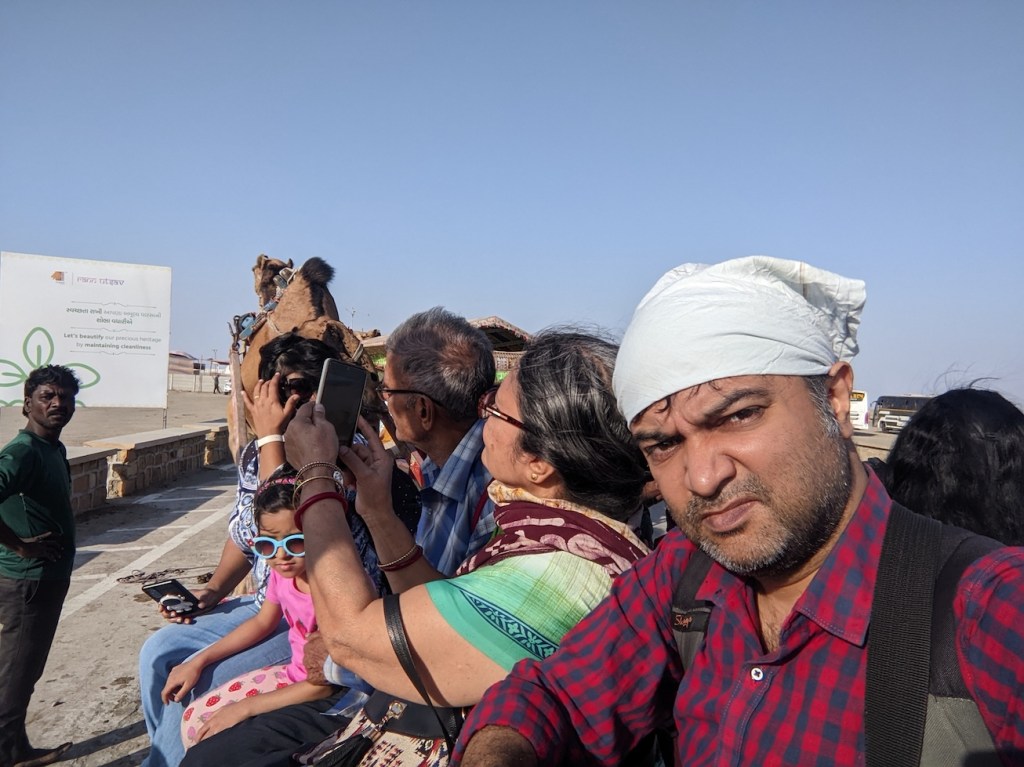
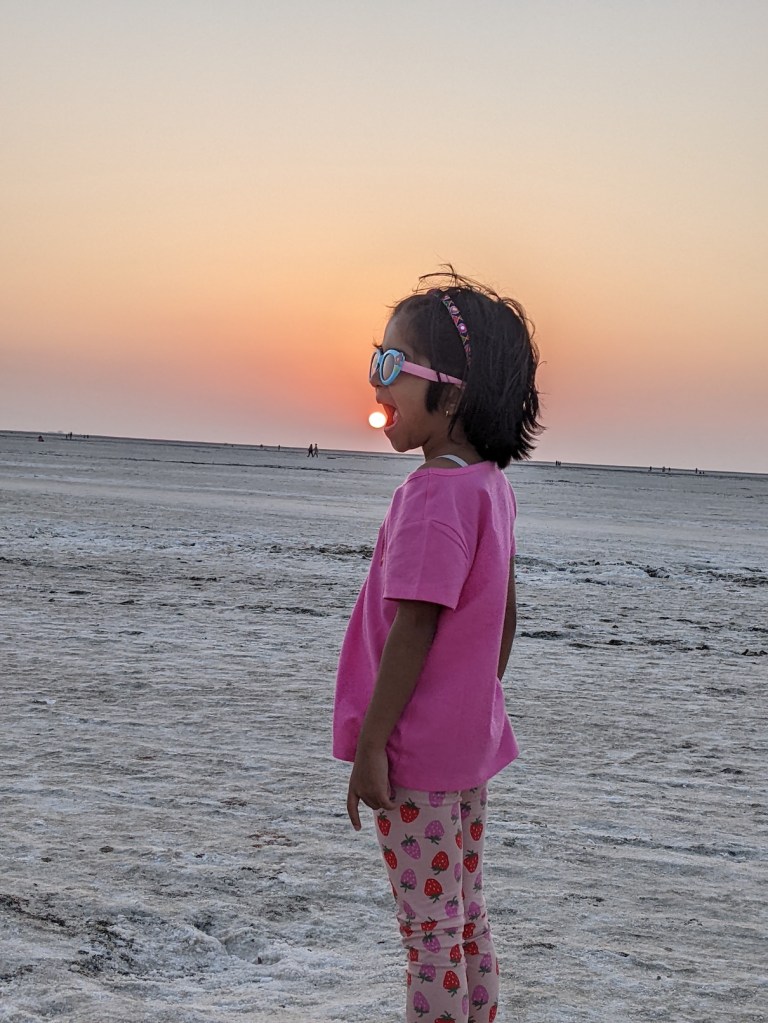
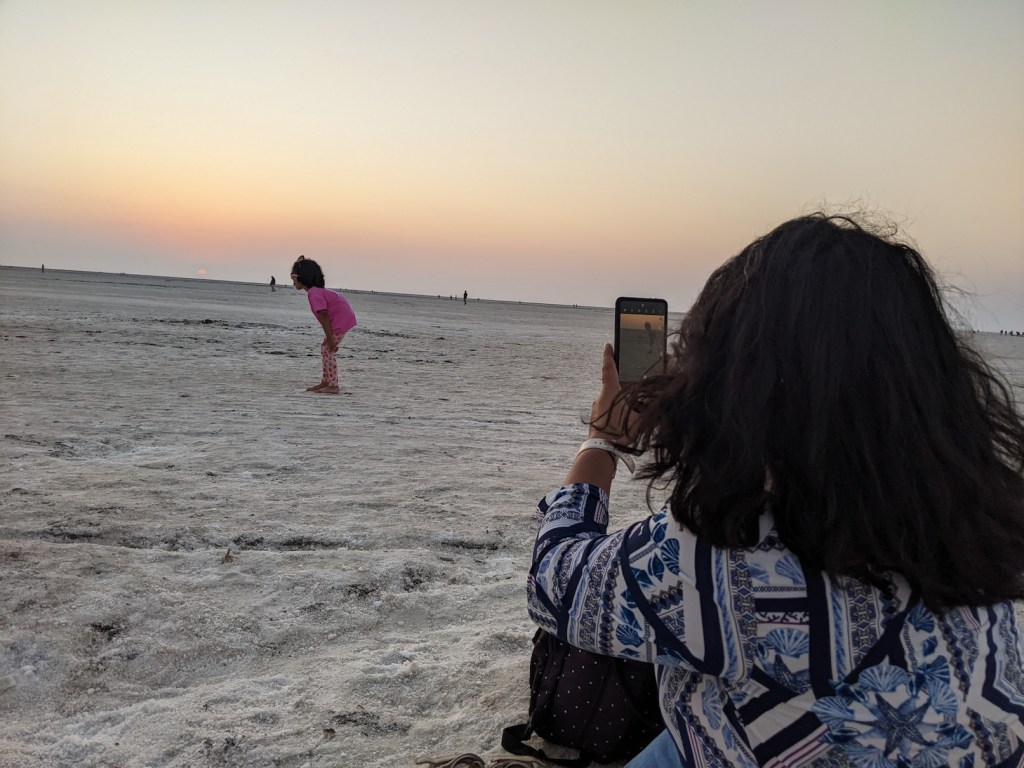
The overall landscape was quite astounding. No trees, no greenery, no undulations in the land. Just this vast expanse of flat land stretching as far as your eyes could see. It was very different from any landscape we had seen till then.
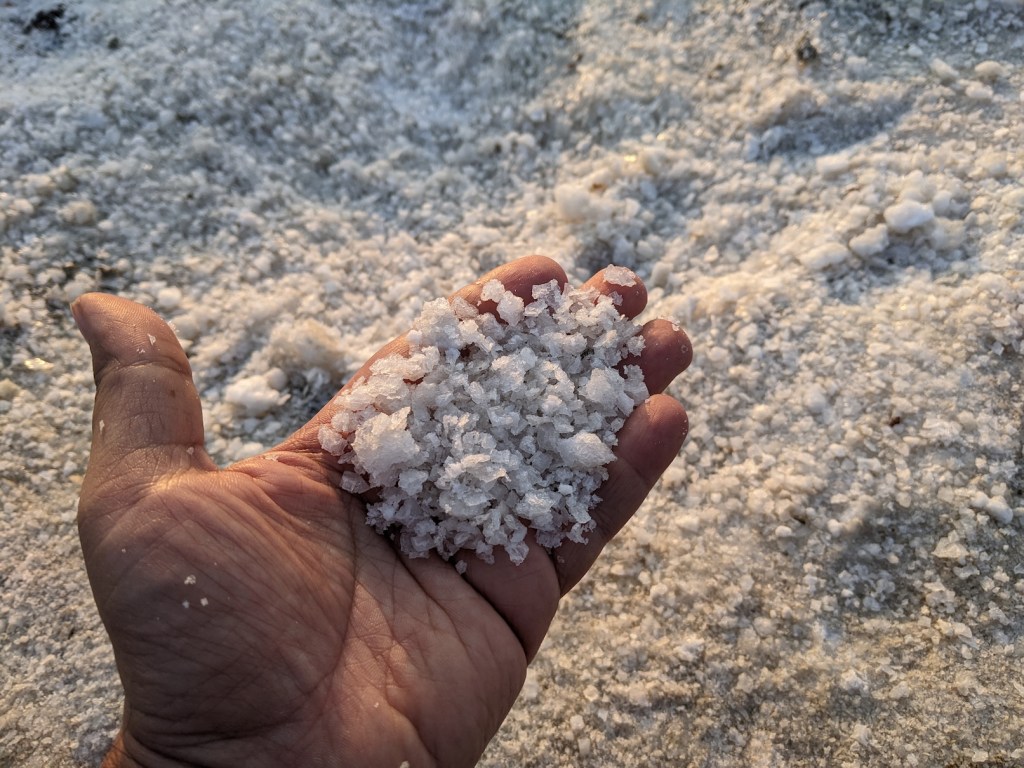
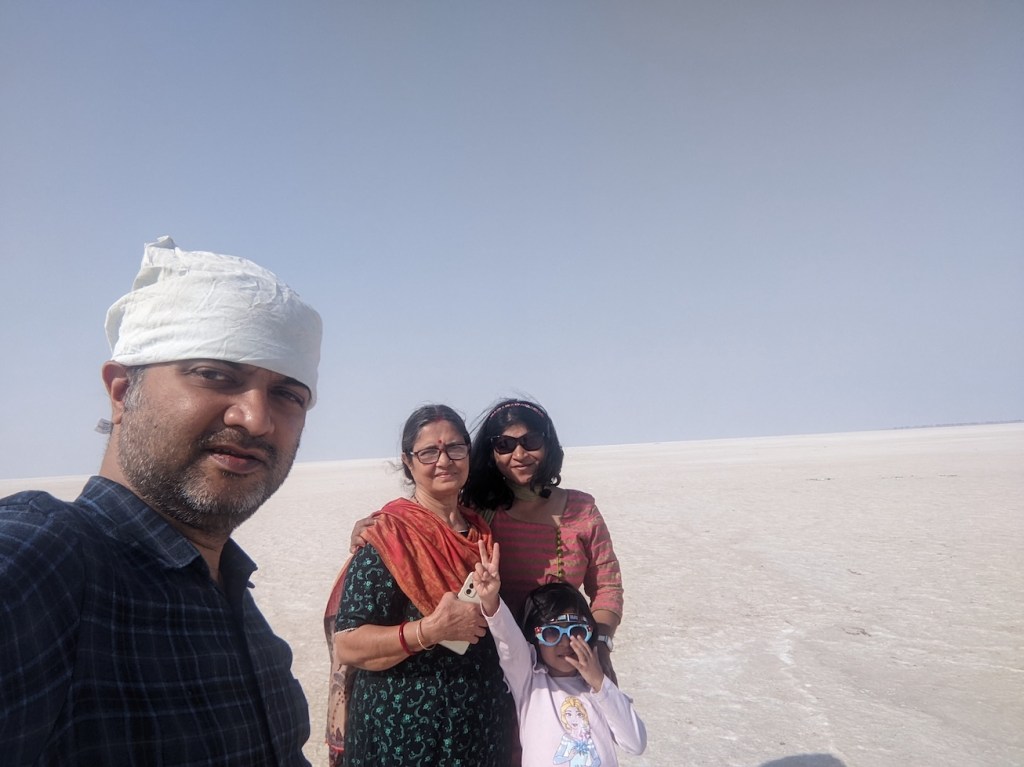
But the whiteness that we had seen in all those photographs and brochures was largely missing. There were patches of white here and there, but a large part of the desert was brown, with the salt all mixed up with earth and dirt.
We were quite curious about this and asked around a few people.
The Great Rann of Kutch is one of the largest salt deserts in the world. During the monsoon months, this vast stretch of land gets submerged in water. As the monsoon recedes, the water gradually evaporates, leaving behind a layer of salt crystals. This is what gives the desert its white colour.
What we understood from the local people we spoke to was that the whiteness is much more pronounced towards the beginning of the Rann Utsav season. As thousands of tourists come in and walk over these salt flats over the next couple of months, the salt gets mixed up with the underlying earth, particularly in the more frequented tourist areas.
We had gone in mid-February, and I would say hardly 10-20% of the area around us looked white.
So, if your primary reason for visiting Kutch is to experience that pristine White Rann, I would suggest planning your trip sometime in December rather than February. Of course, a lot also depends on the monsoon and the natural conditions that particular year.
Anyways, the sunset was quite beautiful. With absolutely nothing obstructing your view of the horizon, watching the sun go down in this landscape was quite an experience.
Post sunset, we took the bus back to the Tent City.
Day 2 – The Road to Heaven, Dholavira and Kala Dungar
As per the itinerary of the Tent City, the next day was largely to be spent inside the Tent City itself. Post lunch, around 3pm, they would take us to a handicraft village called Gandhi Nu Gaam and then to Kala Dungar.
I felt that this would be quite a waste of the entire first half of the day, especially when there were such interesting places to explore around Kutch.
So we decided to give the scheduled sightseeing a miss and booked a cab for ourselves for the entire day.
The idea was to go through the Road to Heaven, visit the ancient Harappan city of Dholavira, and while going cover Gandhi Nu Gaam and while coming cover Kala Dungar as well.
And am I glad we did that!
Gandhi Nu Gaam – The handicraft village
We stopped at Gandhi Nu Gaam as the first stop for our day’s sightseeing.
Kutch is famous for its handicrafts, particularly its embroidery, mirror work, textiles and various other traditional crafts. So naturally, I was quite interested in visiting a village where these handicrafts were made.
However, the experience here was quite disappointing.
The whole place seemed to be set up more as a tourist showcase than the experience of an actual village that I was looking forward to. There were people demonstrating various crafts and numerous things on sale. But the whole experience felt a bit too staged and commercialised for my liking.
Also, the prices of the products were quite on the higher side.
We subsequently spoke to a few locals about where they themselves would go to buy these things. Almost everyone suggested the markets in Bhuj.
Bhuj itself is a big hub for handicrafts, and there are numerous shops and markets where you can buy these products.
So, a note for all the shopping enthusiasts – do not feel the need to buy everything from these designated tourist handicraft villages. Keep some time aside for shopping in Bhuj, explore the local markets, compare prices and then buy.
The Road to Heaven
This was undoubtedly one of the biggest highlights of our Kutch trip.
The Road to Heaven (also called the Road Through Heaven) is a stretch of around 30 kms between Khavda and Dholavira, cutting right through the Great Rann of Kutch.
Imagine a long, almost straight stretch of road, with the White Rann on both sides of the road. No trees, no buildings, nothing. Just an endless expanse of white on either side, merging with the sky somewhere far away.
What a magnificent sight!
Interestingly, here we got to see a lot more of the whiteness of the Rann than what we had seen at the sunset point the previous evening.
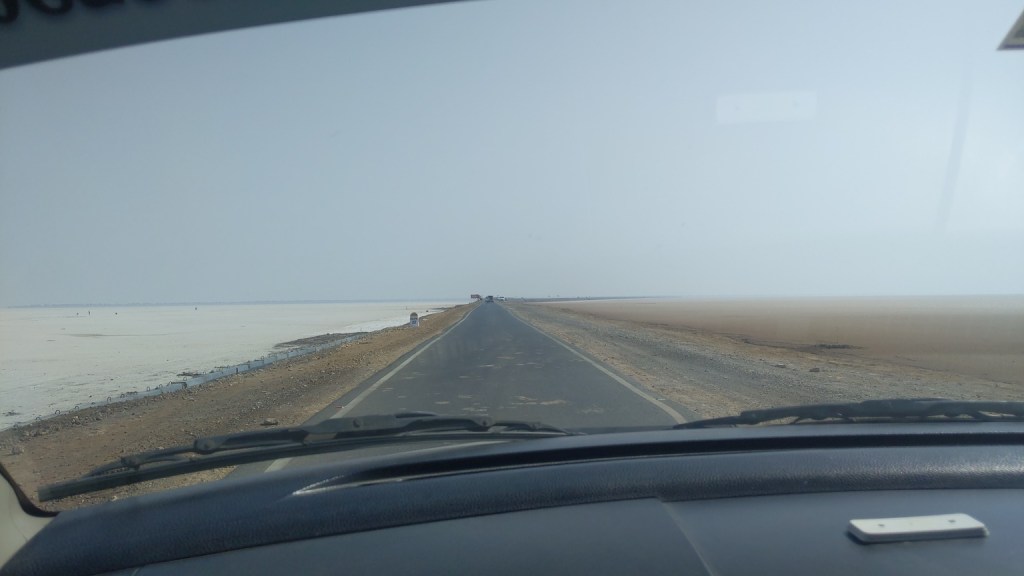
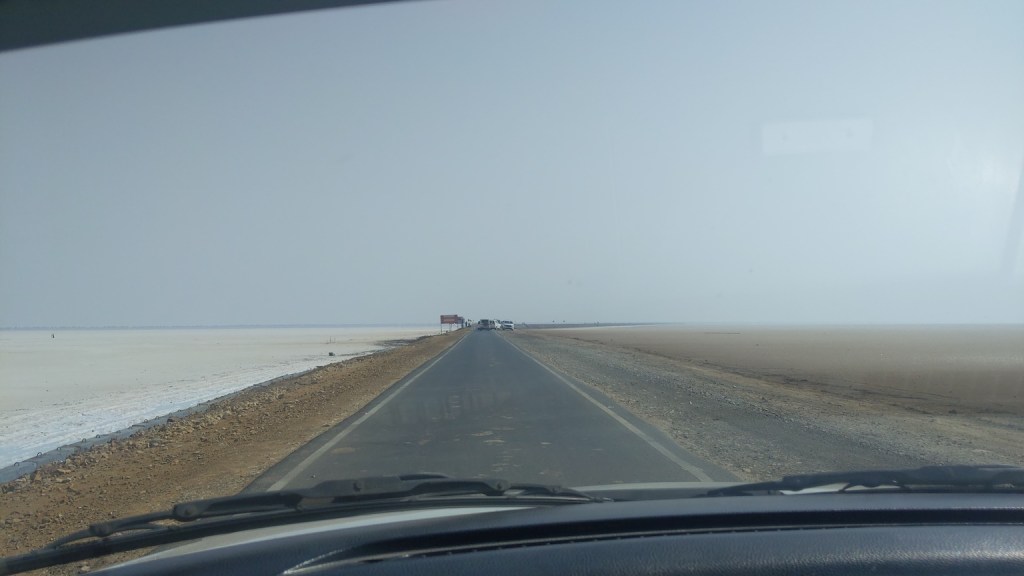
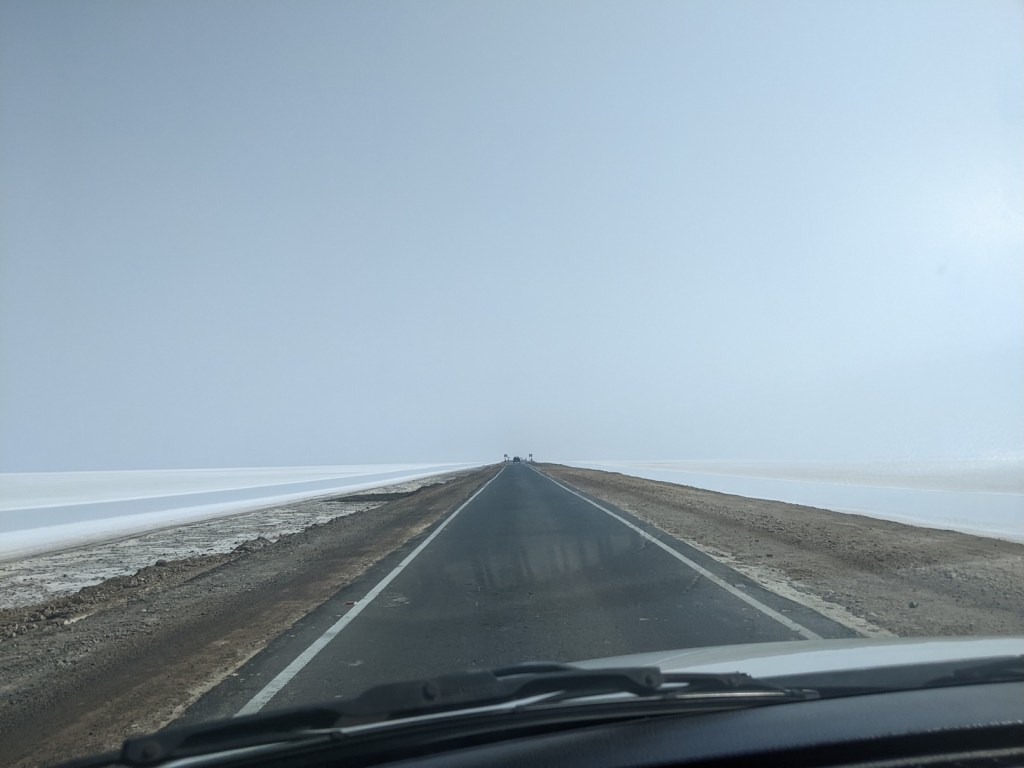
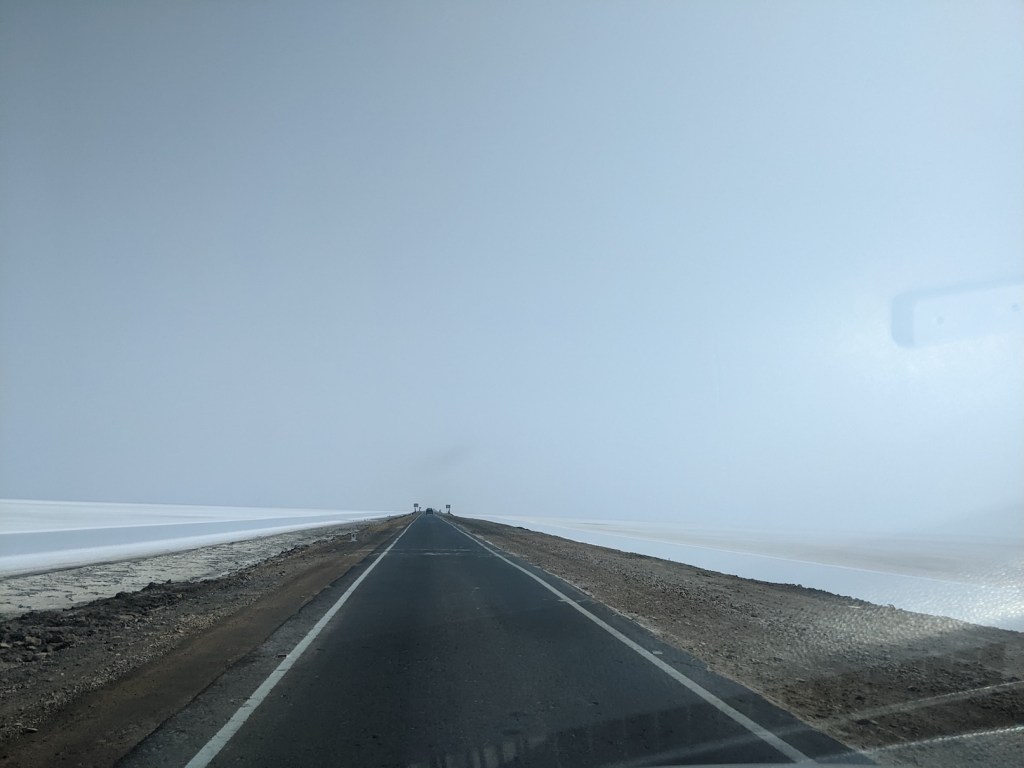
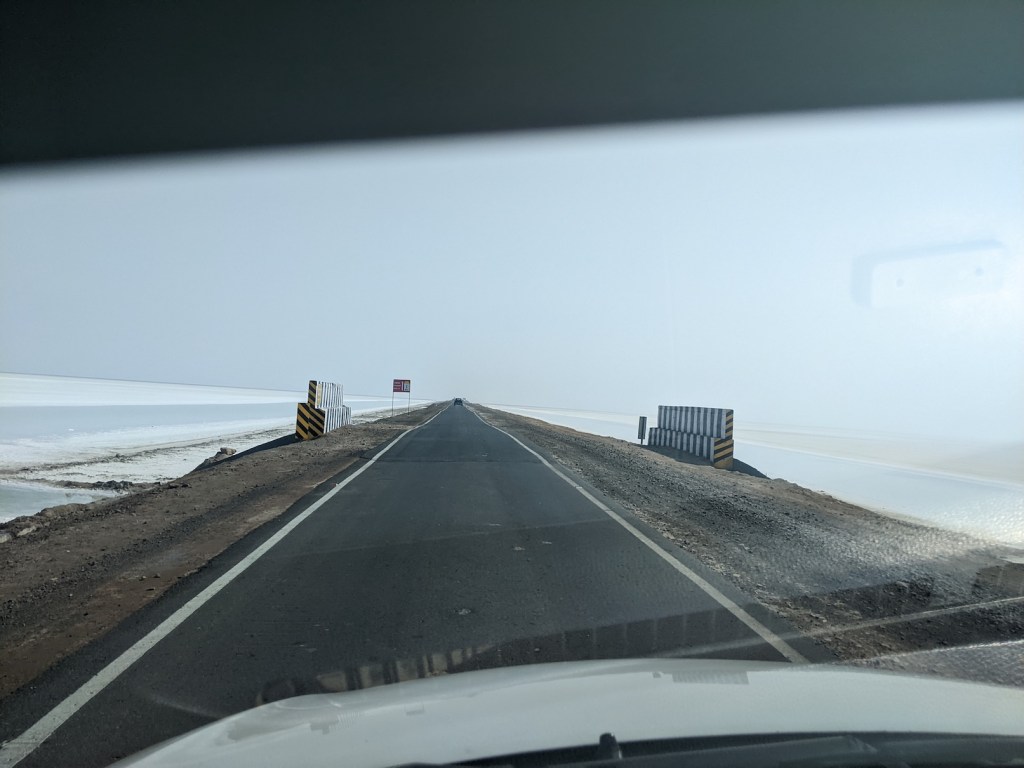
The road connects the mainland to Khadir Bet, the island on which Dholavira is situated. During the monsoons, much of the surrounding Rann gets submerged in water, giving this same road a completely different look.
If you love driving, I can only imagine what an experience it would be to drive your own car through this stretch of road. Oh and for bikers, this is paradise!
If you are visiting Rann Utsav, do not miss this road. Even if you are not particularly interested in history and do not intend to spend much time at Dholavira, the drive itself is totally worth it!
Dholavira – A city from 5000 years ago
At the other end of the journey was Dholavira.
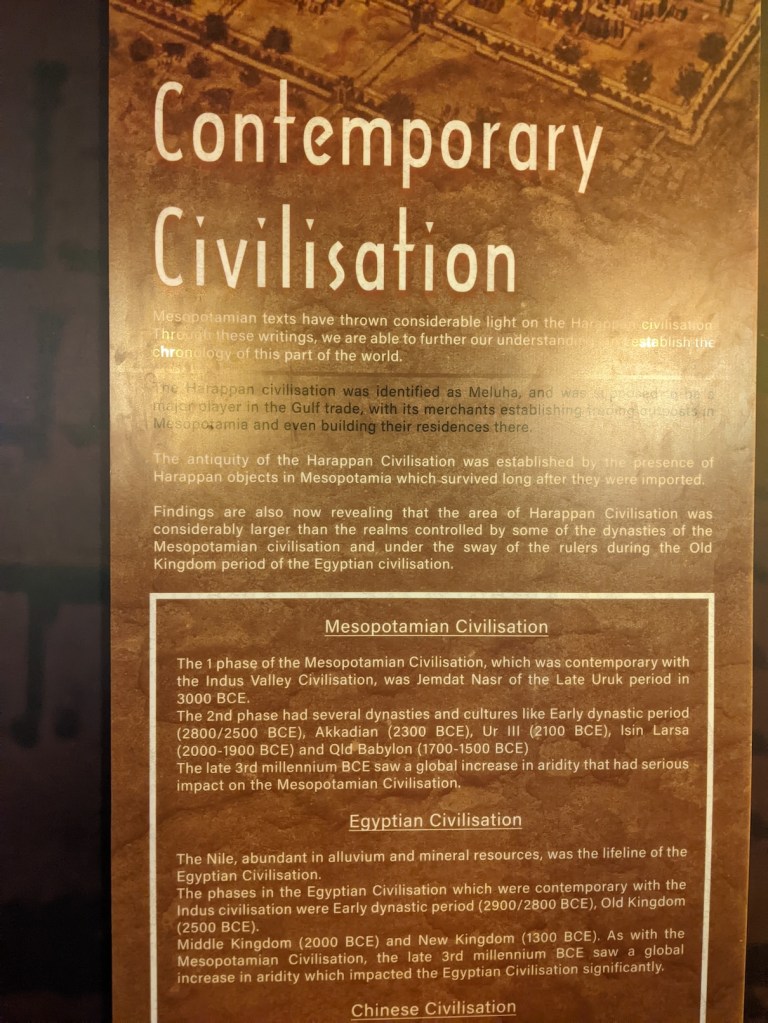
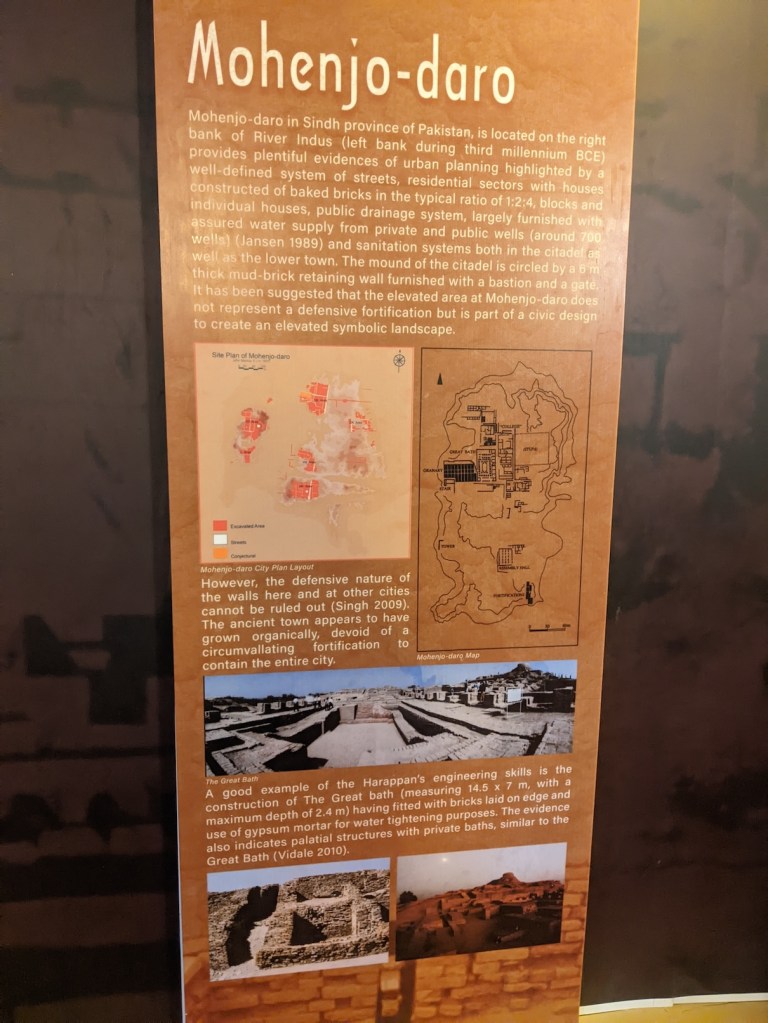
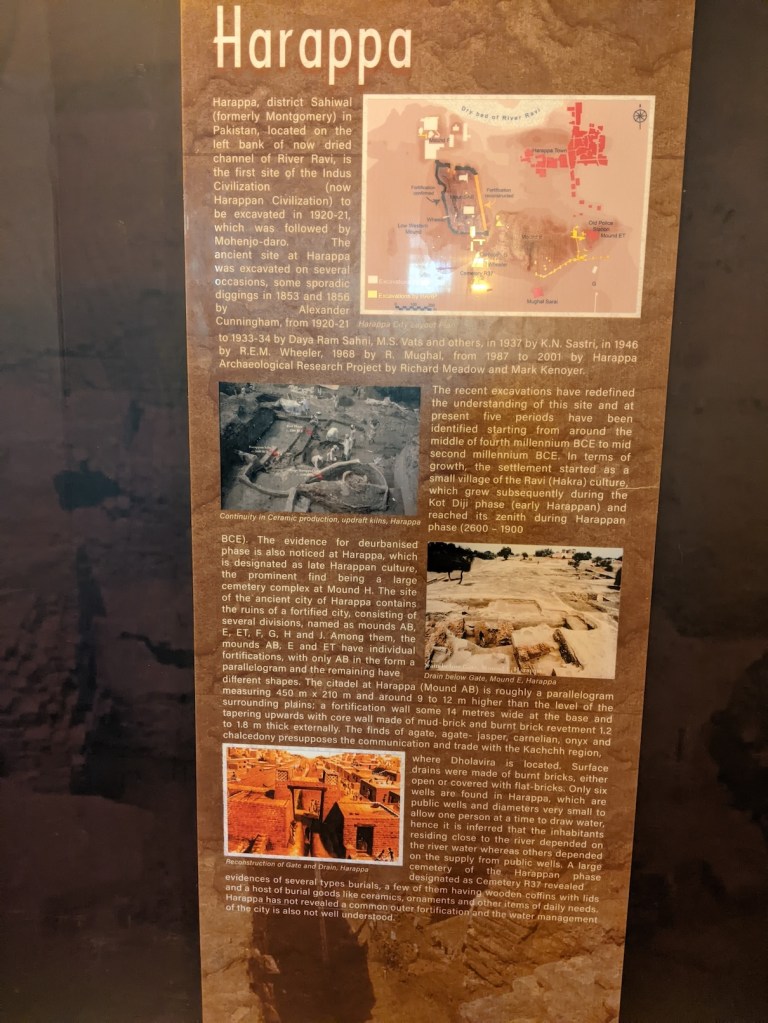
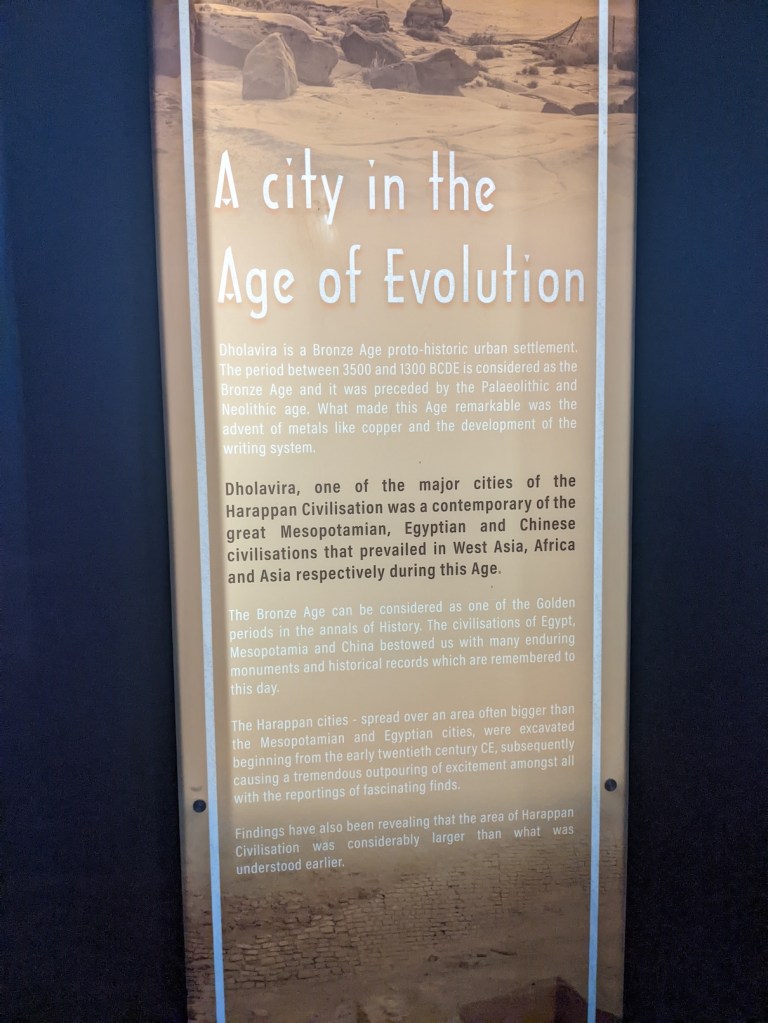
All of us have read about the Indus Valley Civilisation in our school history books. Harappa and Mohenjo-daro are the two names that immediately come to mind, both of which are now in Pakistan.
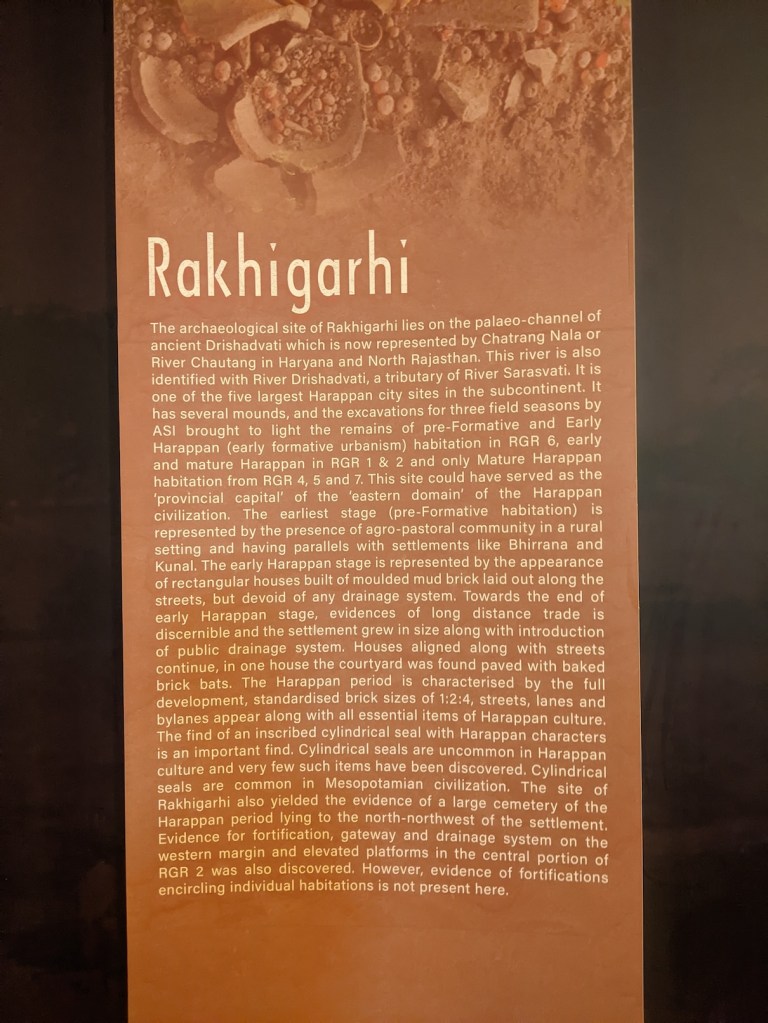
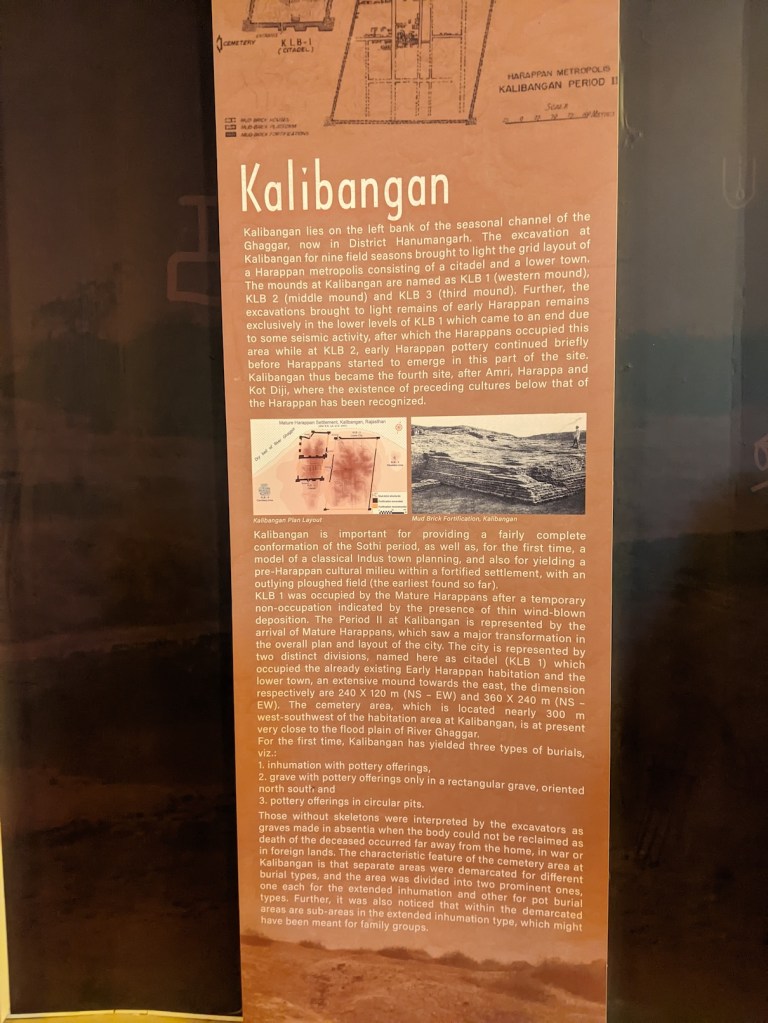
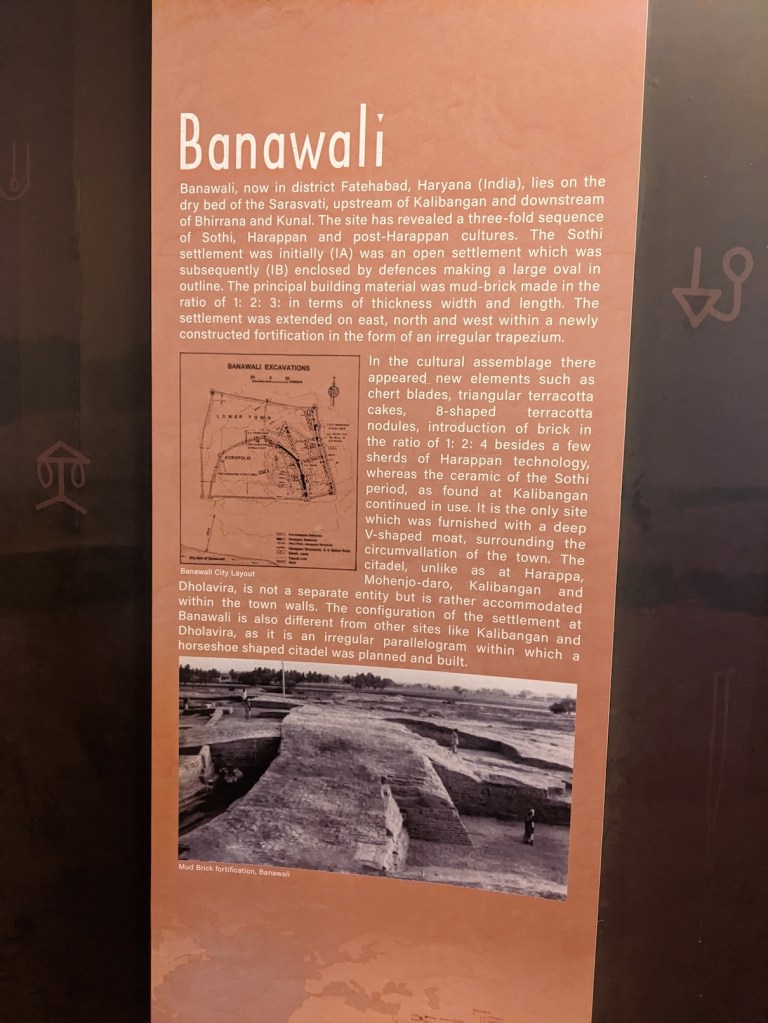
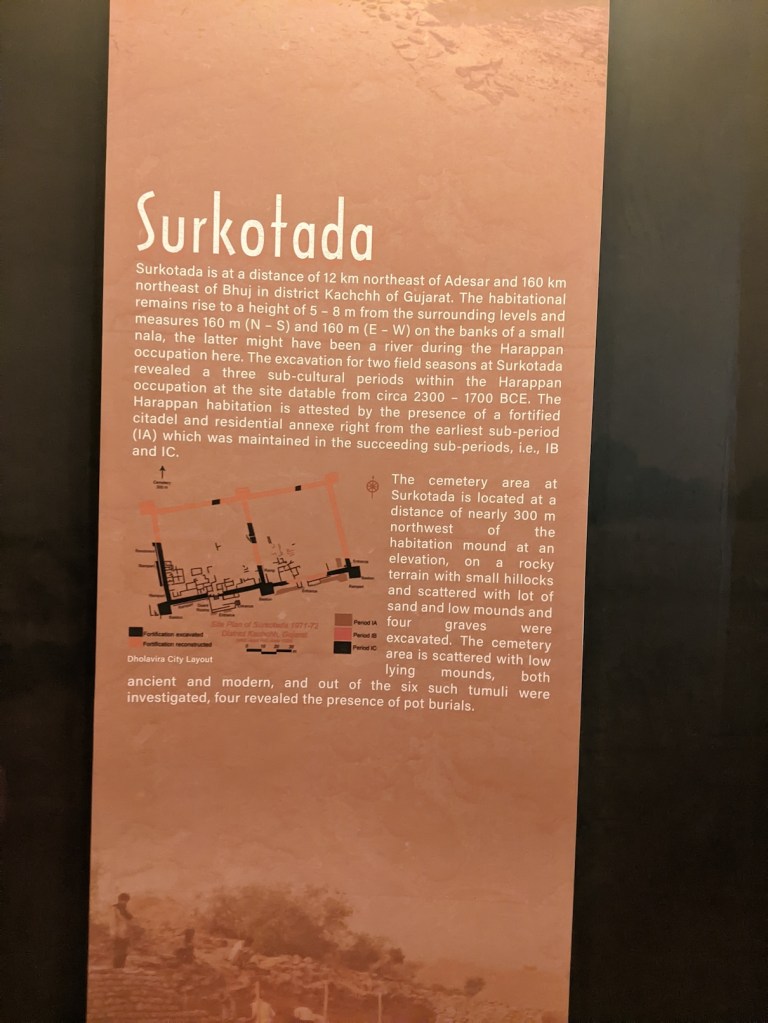
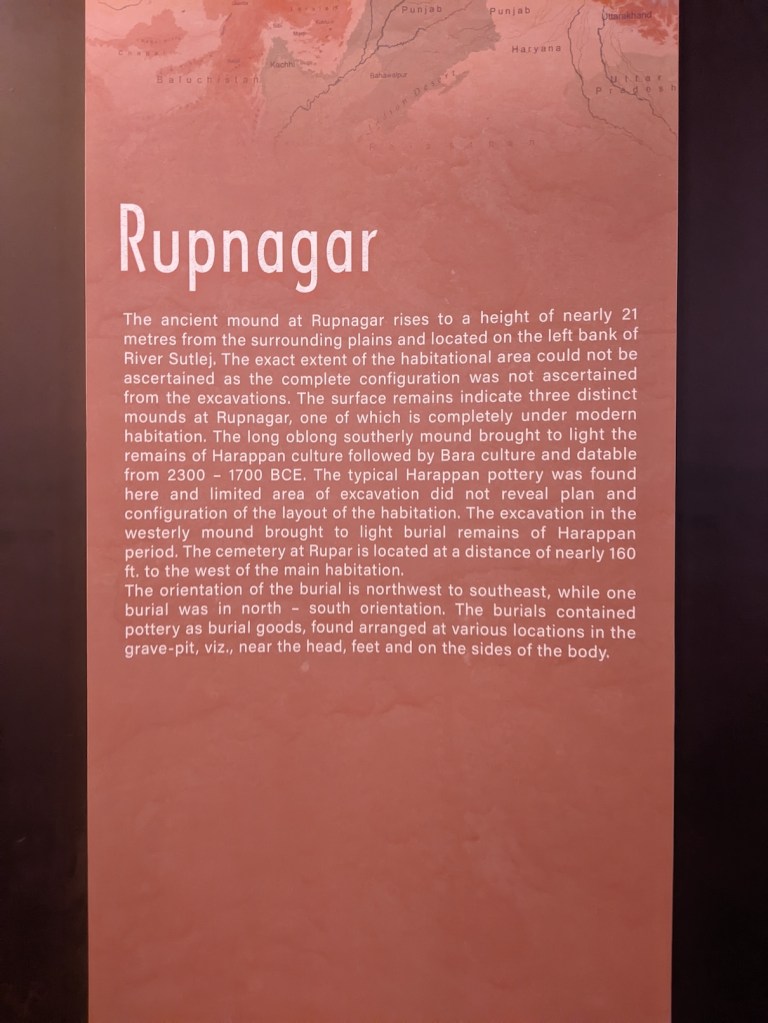
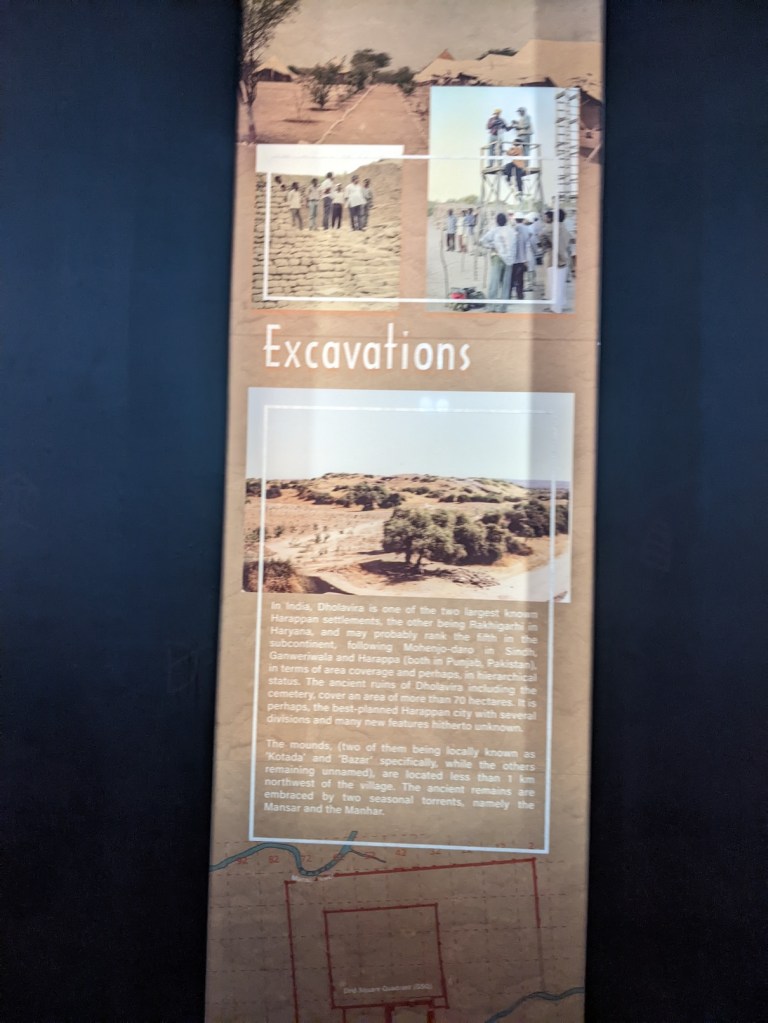
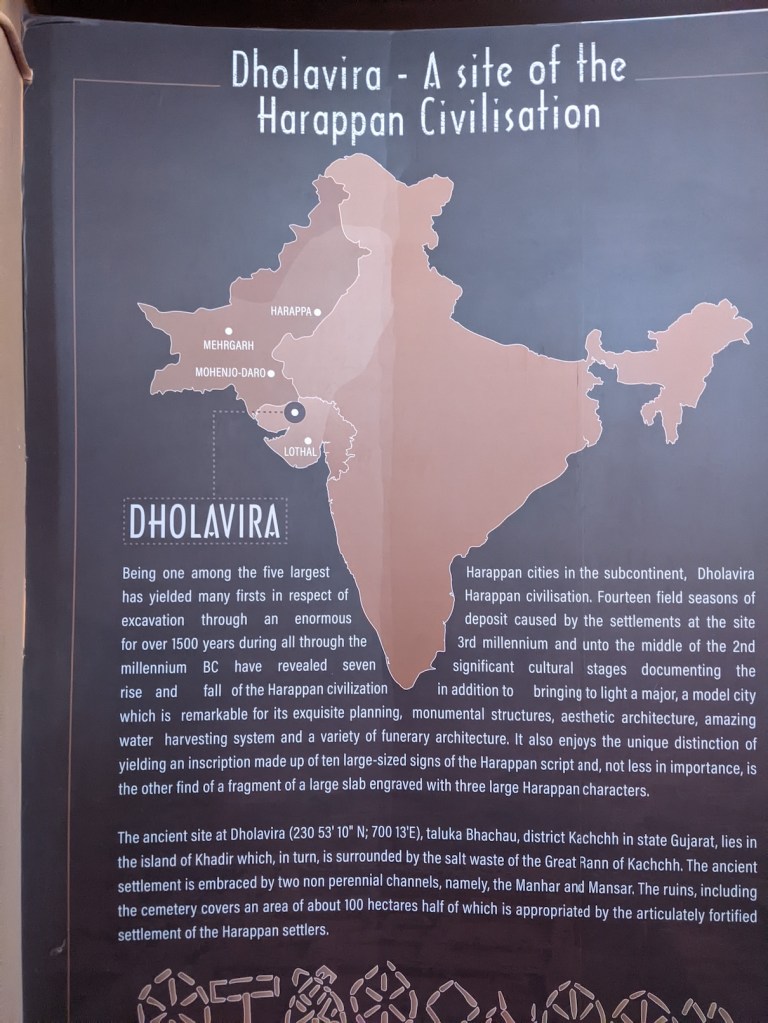
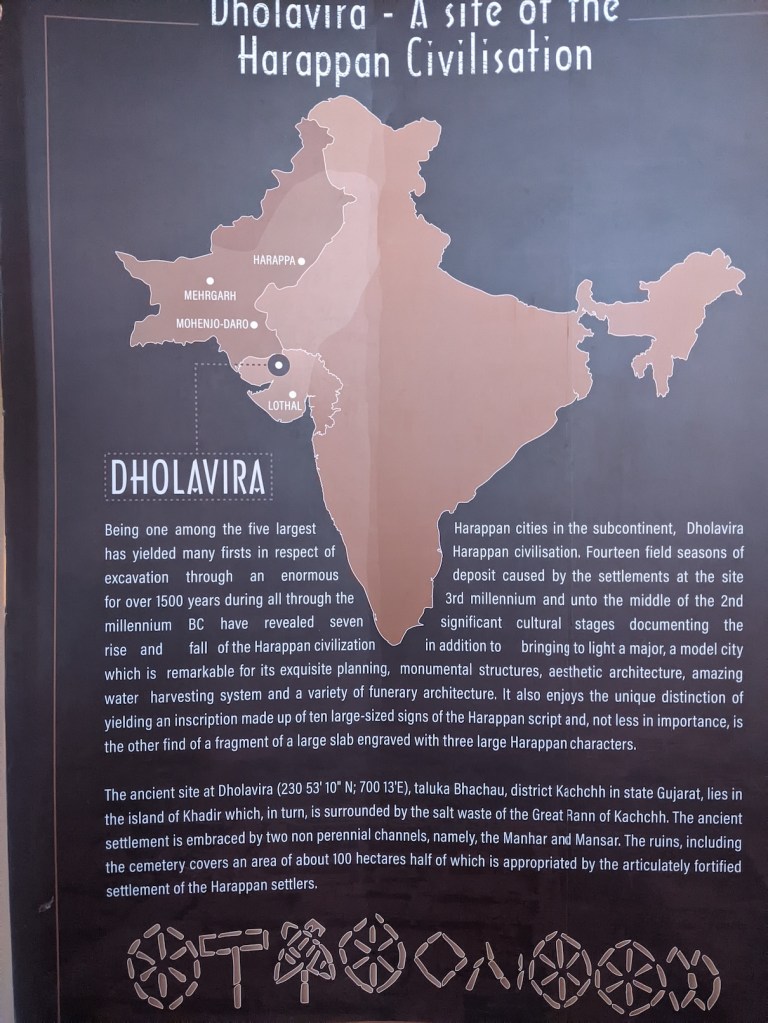
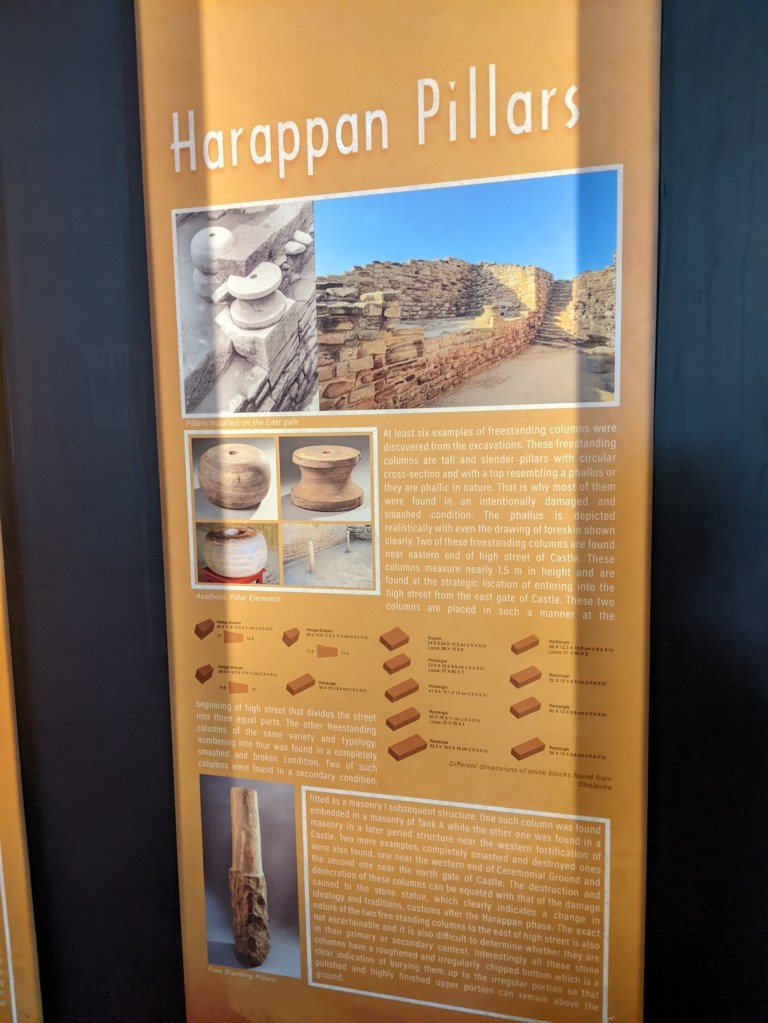
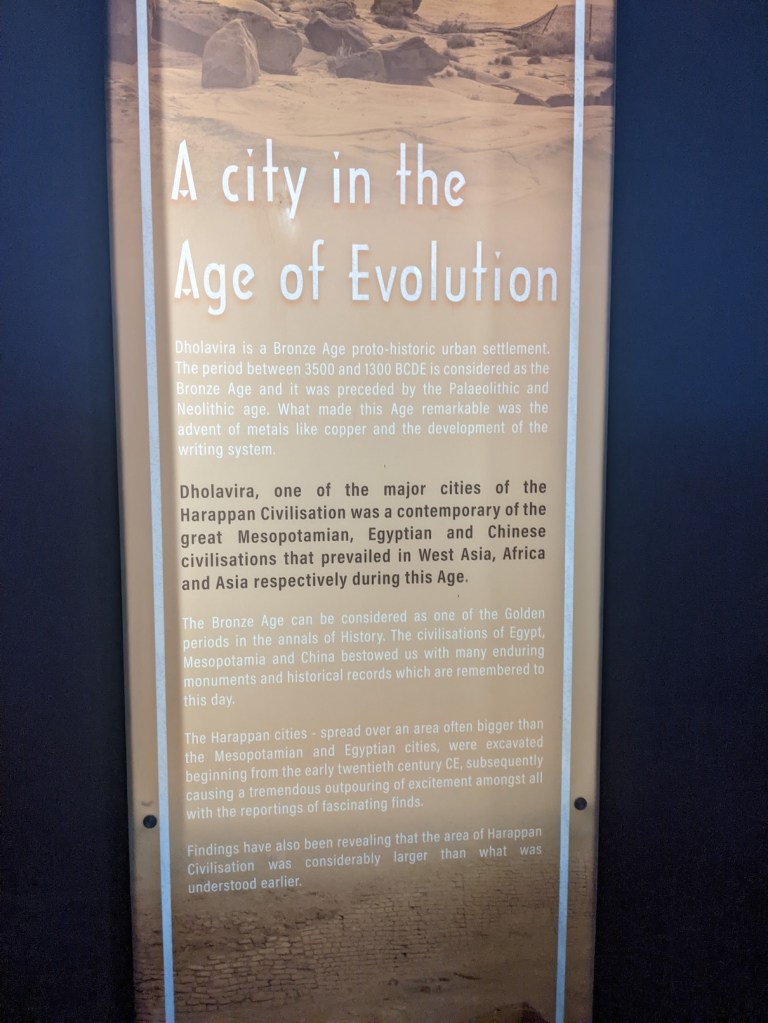
Dholavira is one of the largest and most significant settlements of the same civilisation, and is situated right here in India.
The city was inhabited from around 3000 BCE to 1500 BCE. Just imagine – a city which existed around 5000 years back, and continued to be inhabited for nearly 1500 years!
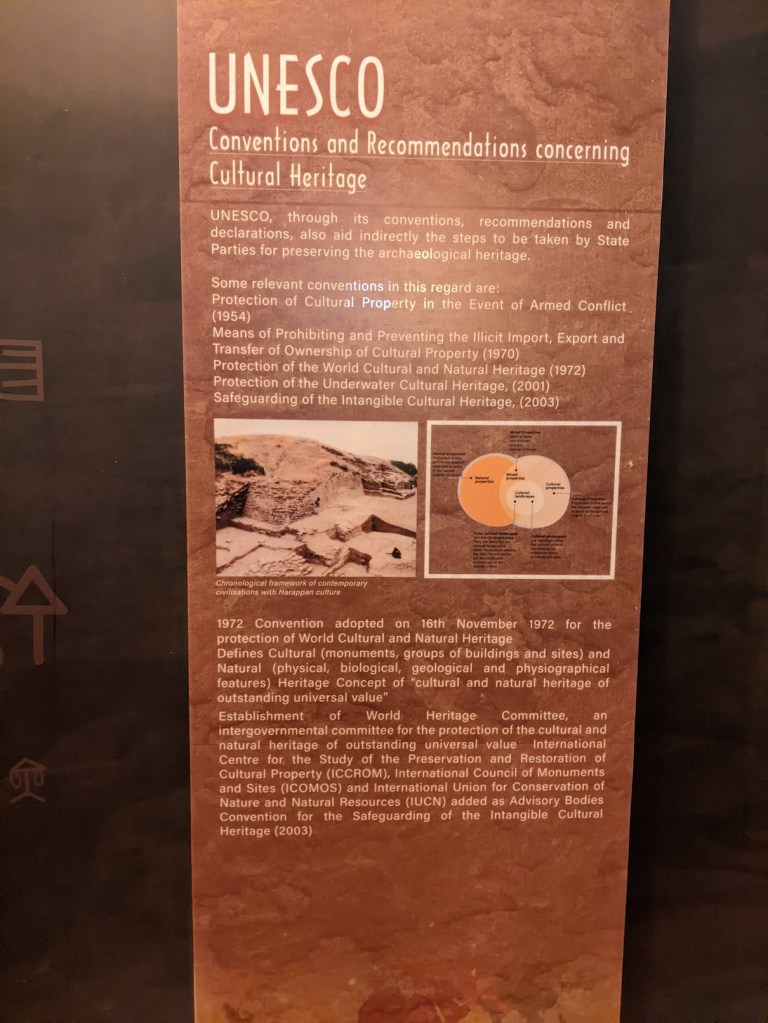
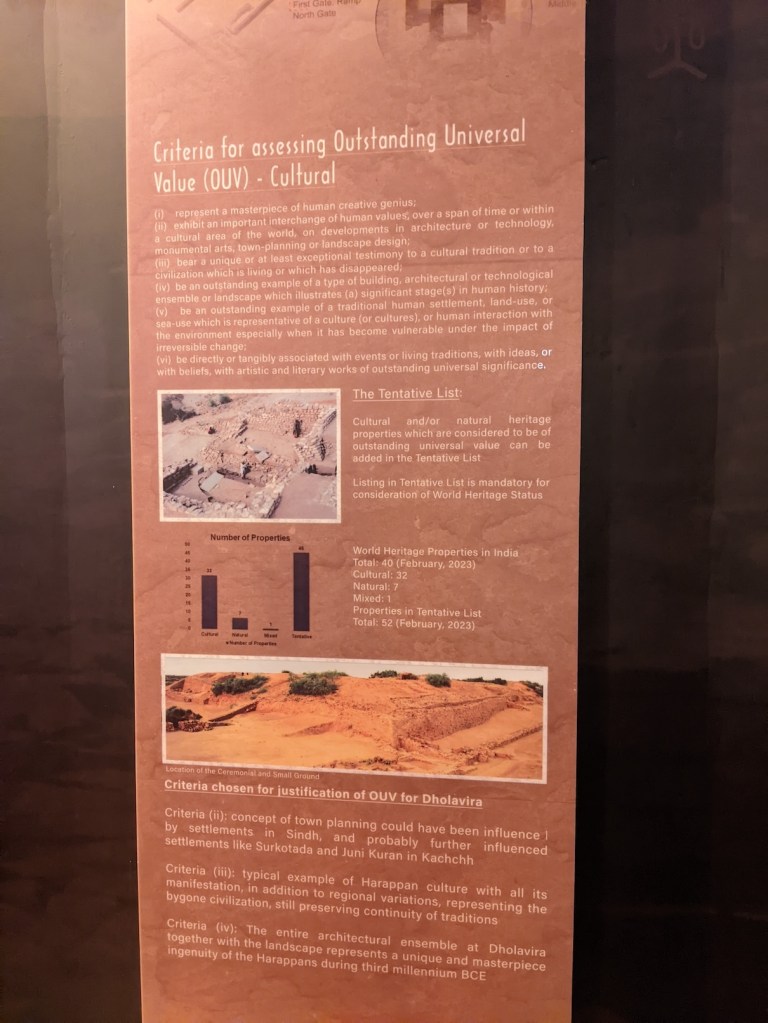
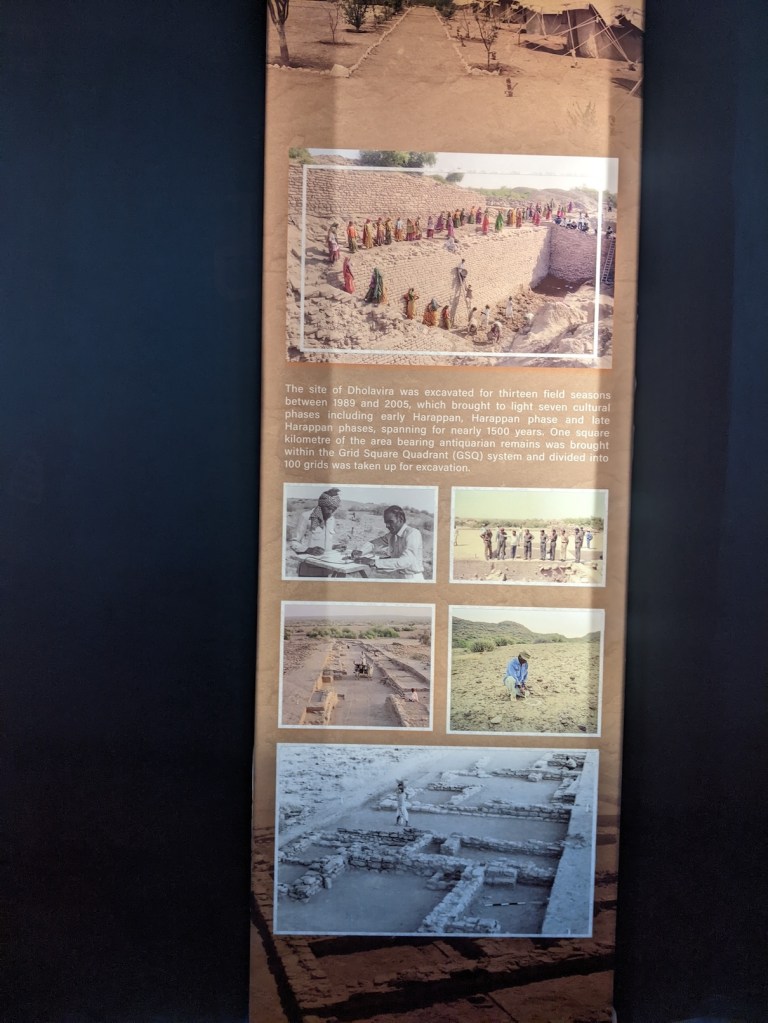
The archaeological site was discovered in 1968, and extensive excavations were subsequently carried out. In 2021, Dholavira was declared a UNESCO World Heritage Site.
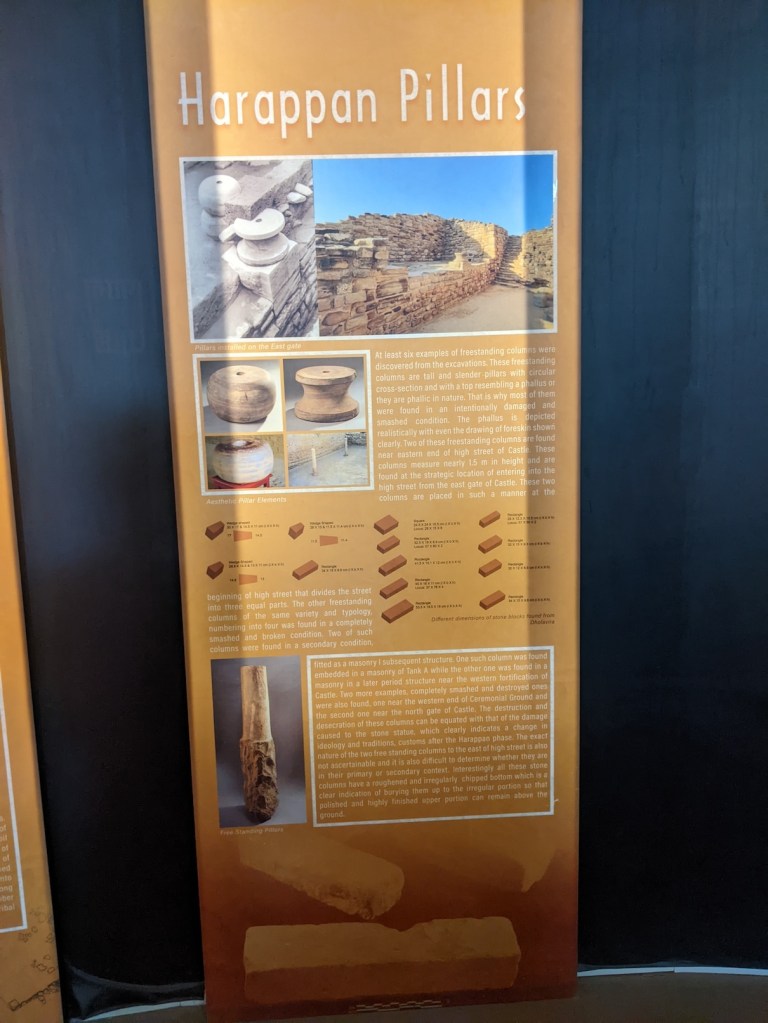
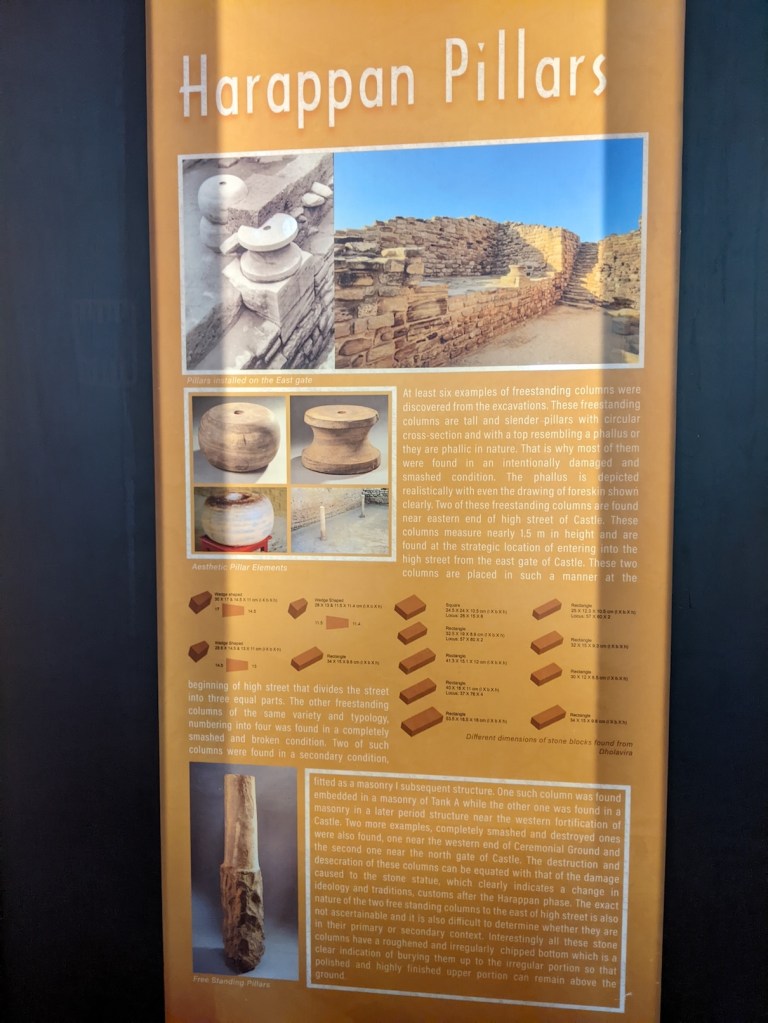
What is particularly fascinating about Dholavira is the level of urban planning that existed in those days. The city had distinct residential zones, fortified walls, streets, drainage systems, ceremonial grounds and even workshops where beads and other ornaments were manufactured.
One of the most remarkable aspects of Dholavira was its water management system.
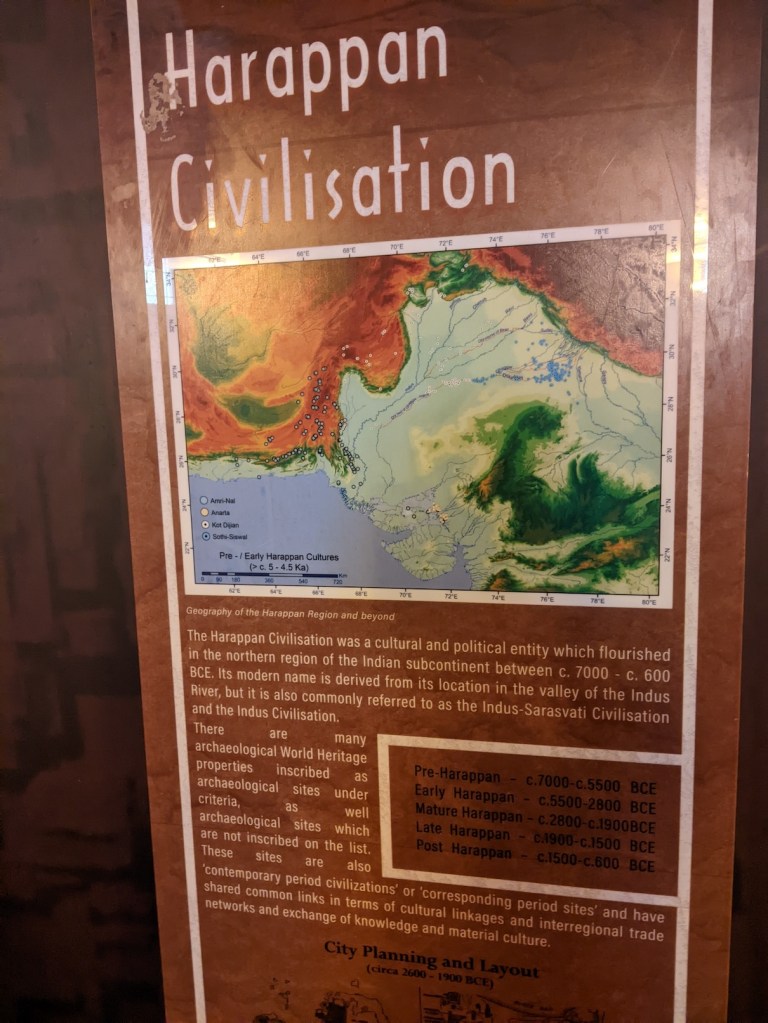
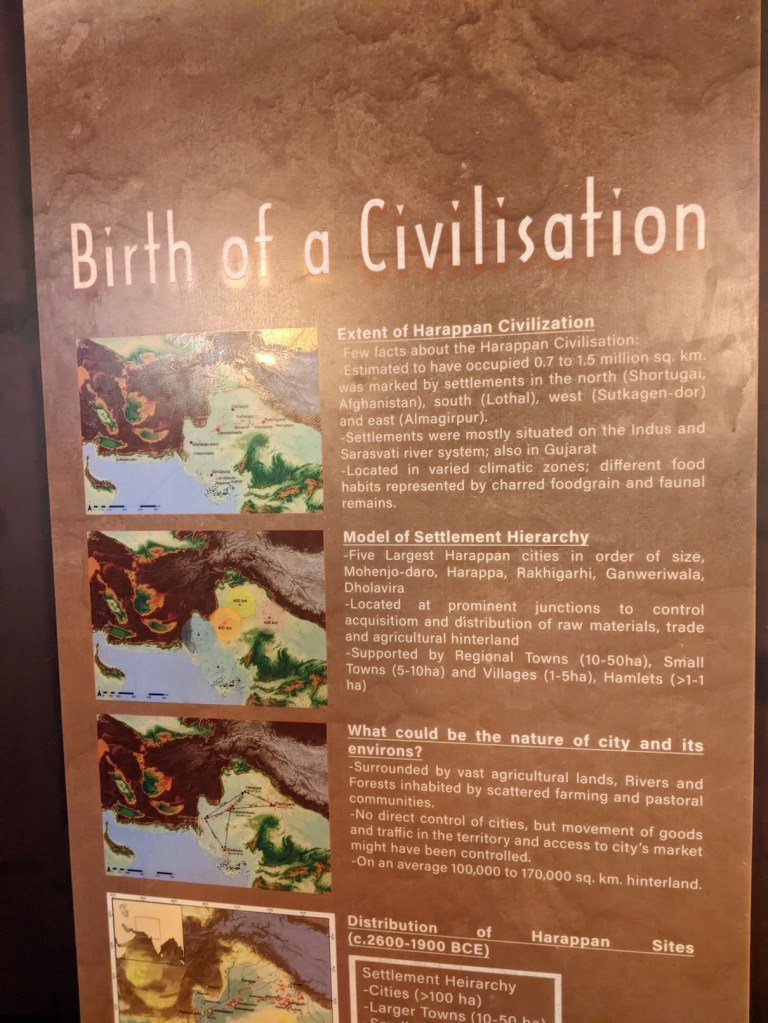
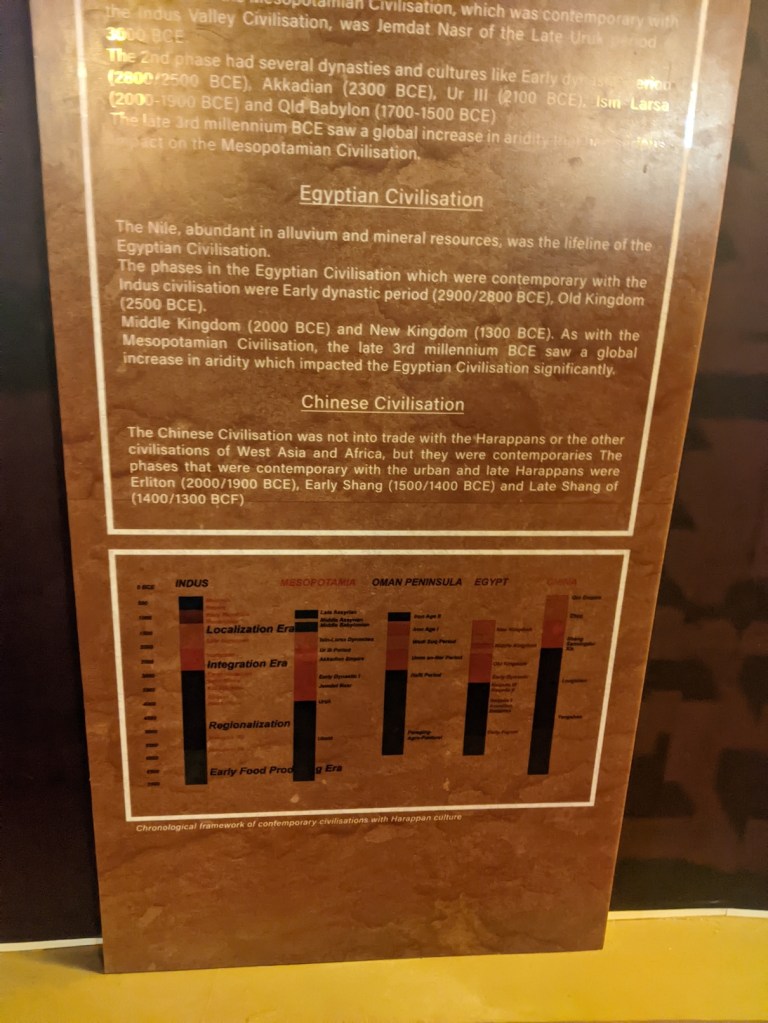
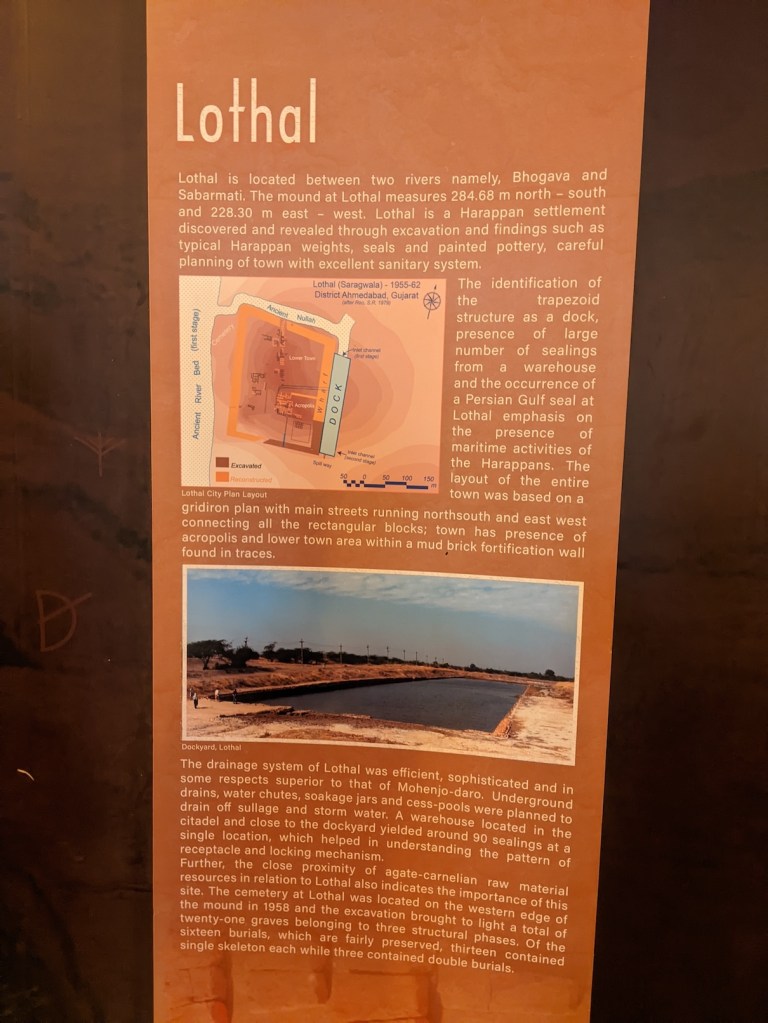
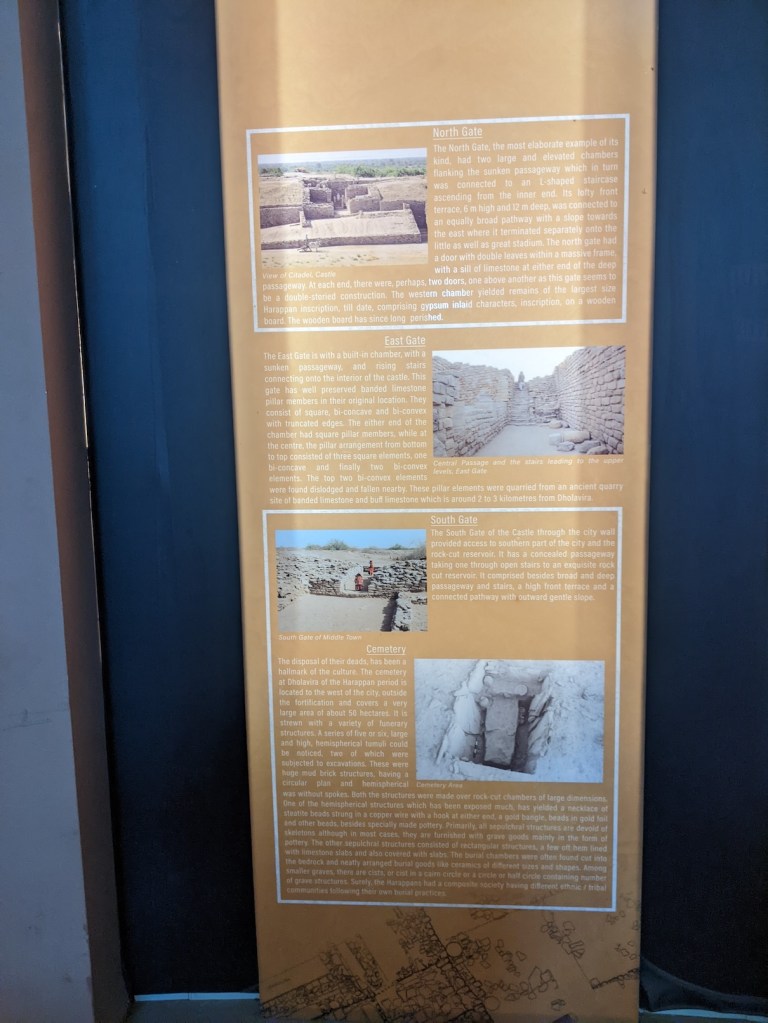
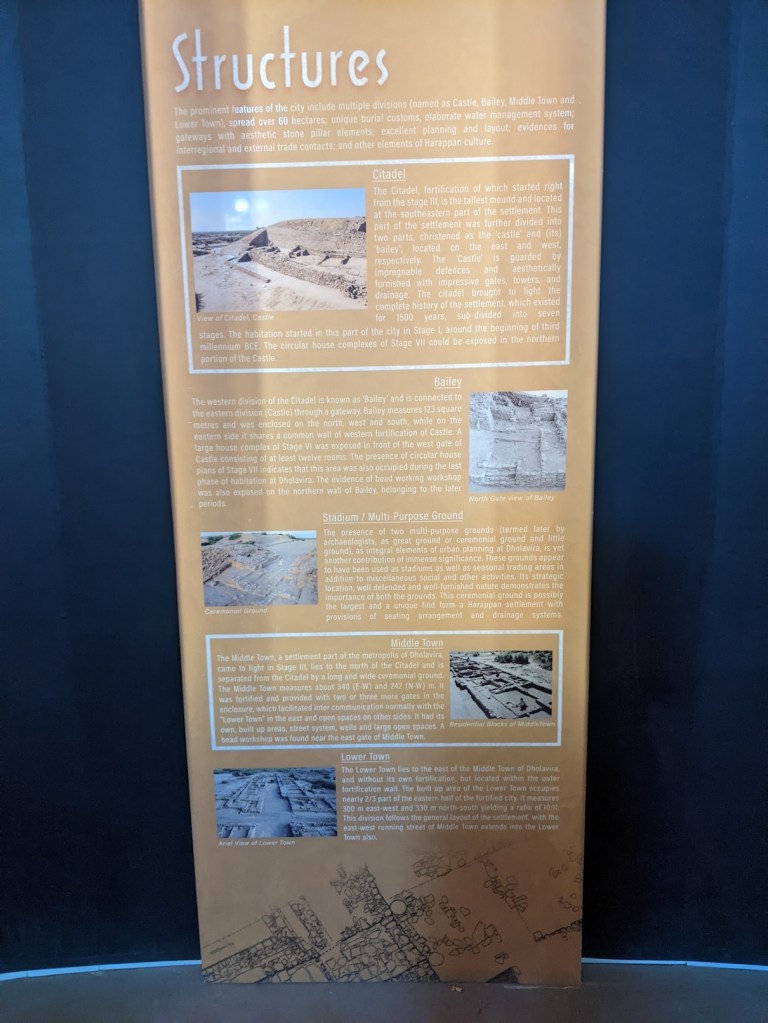
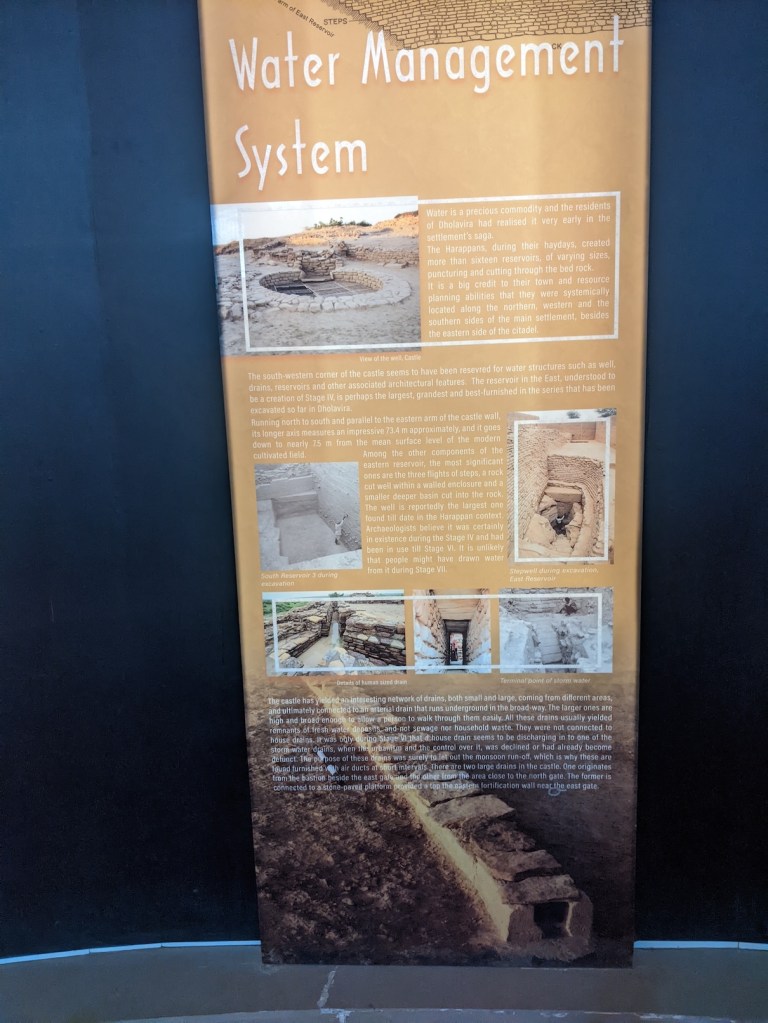
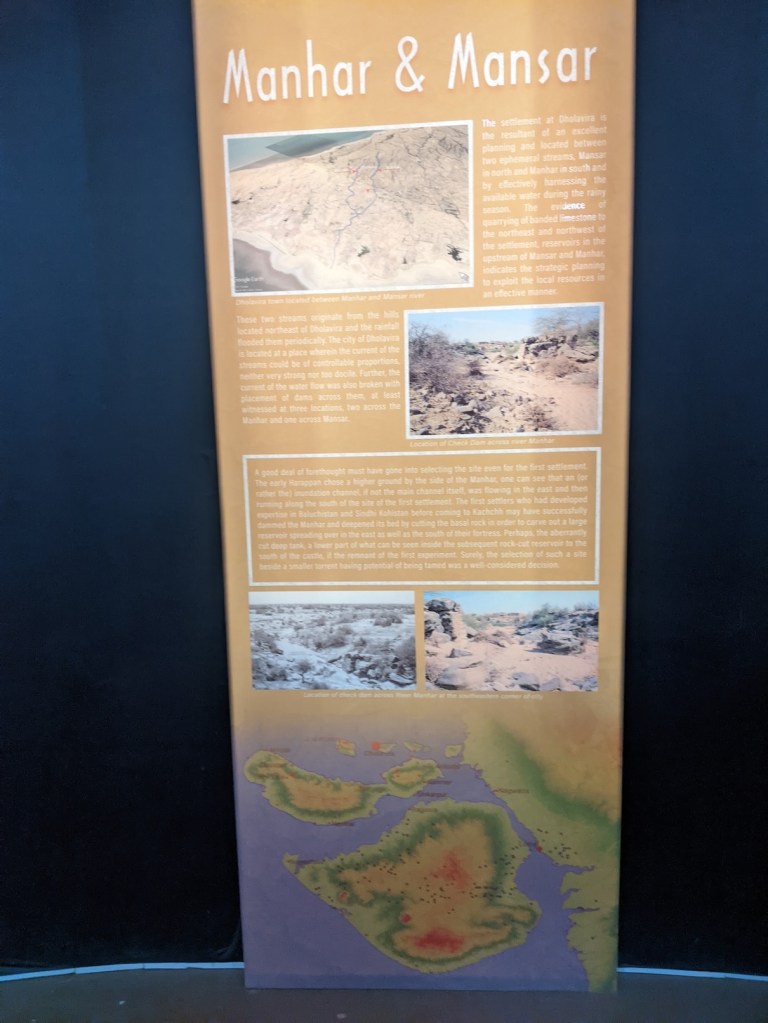
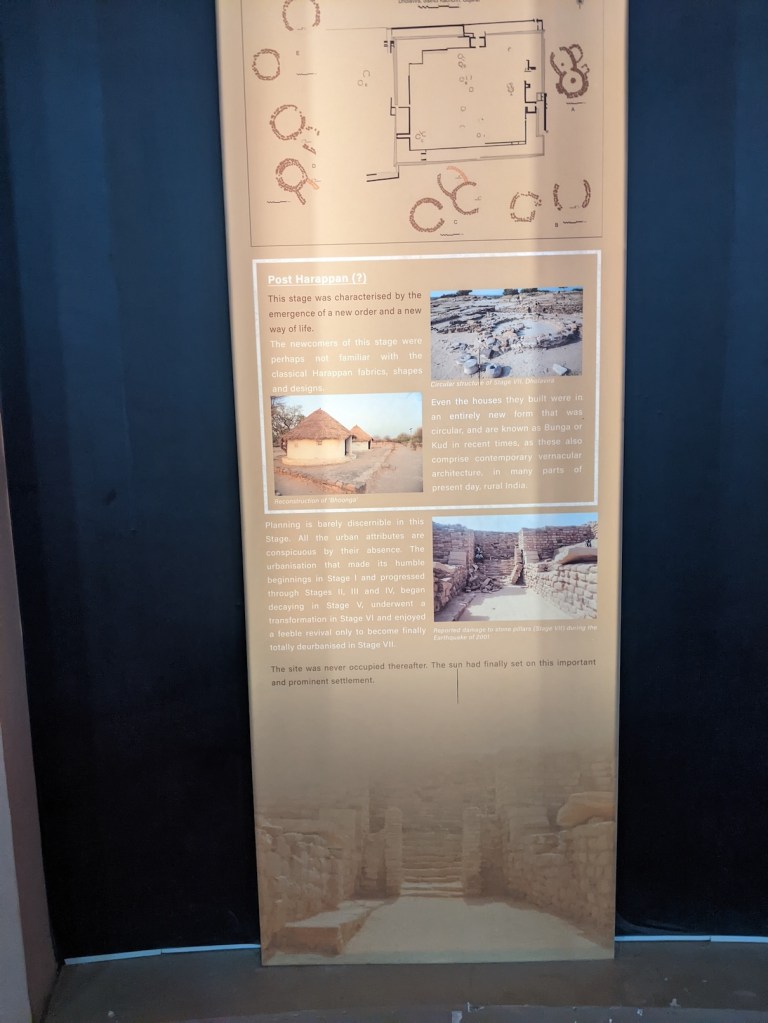
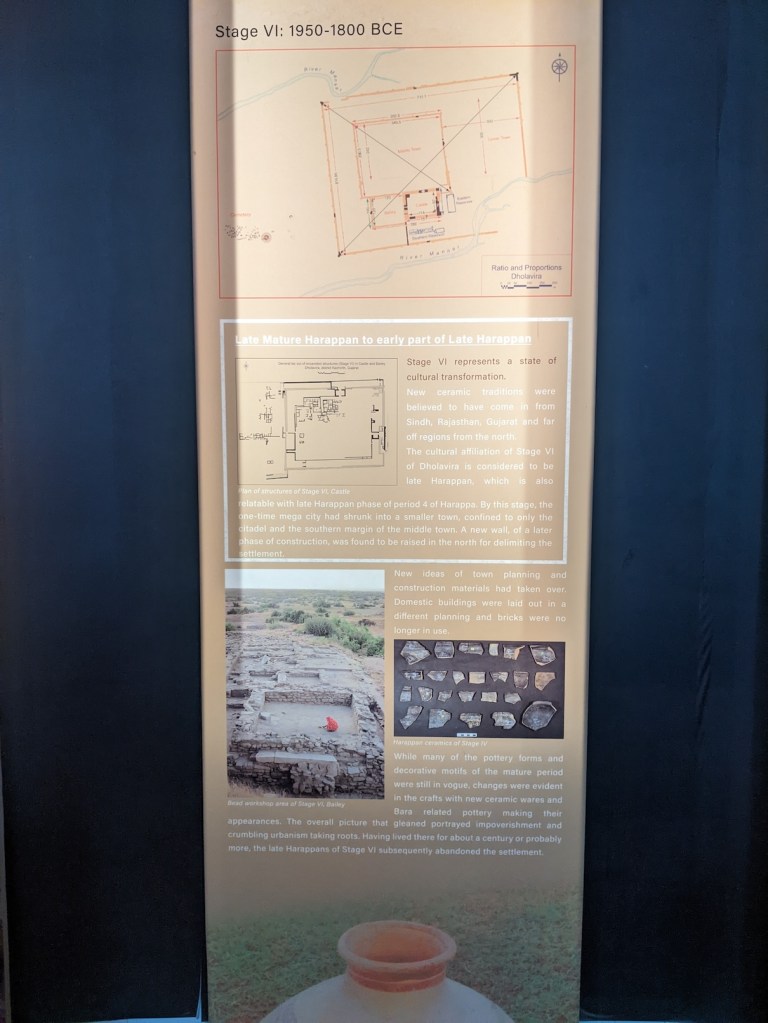
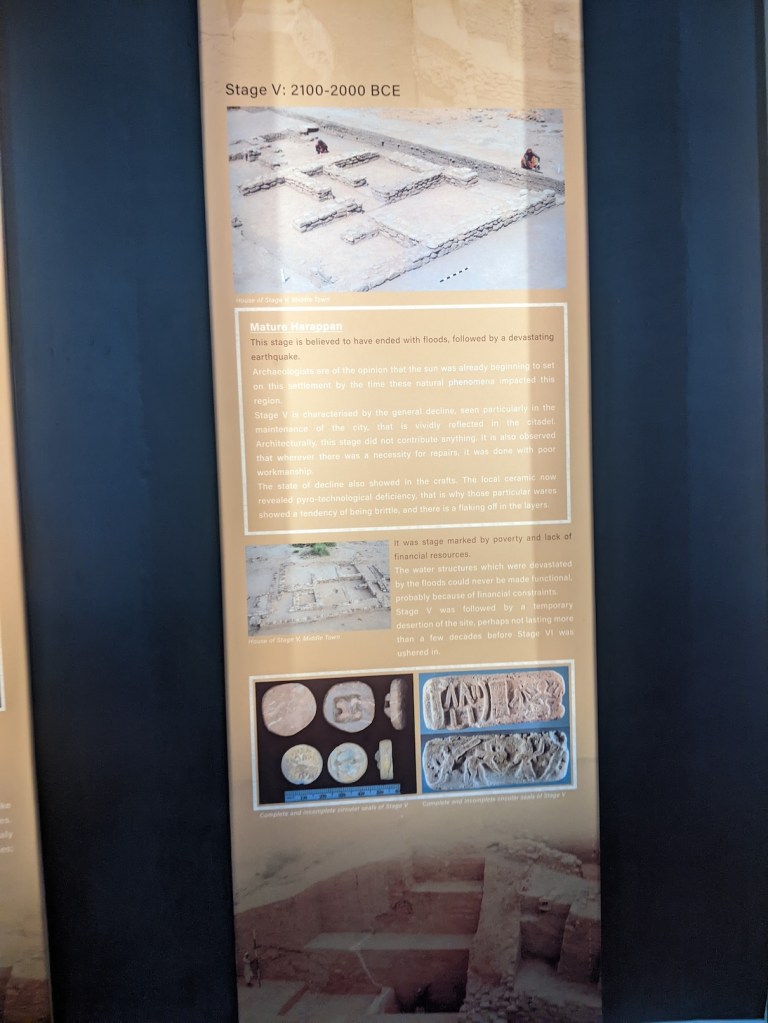
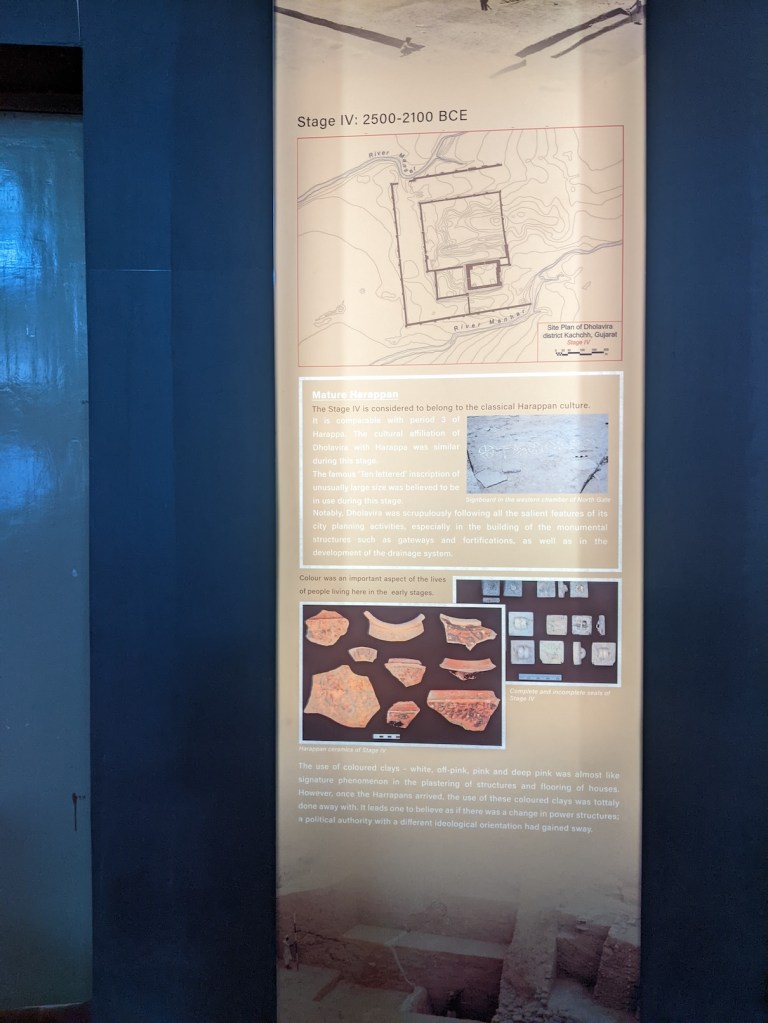
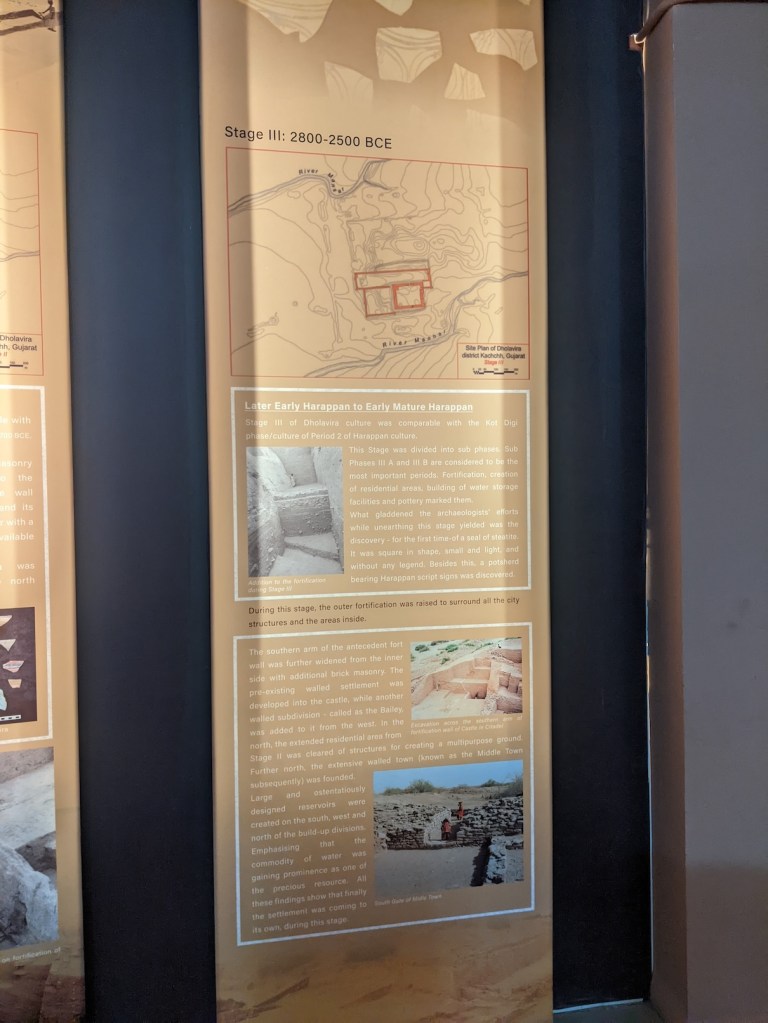
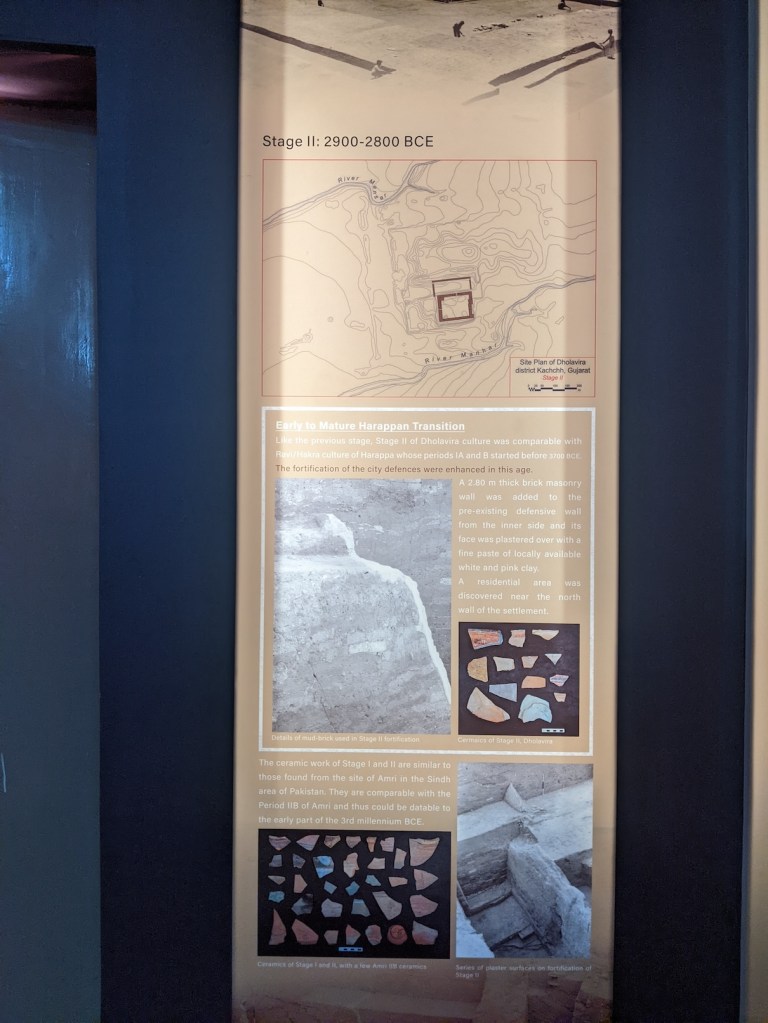
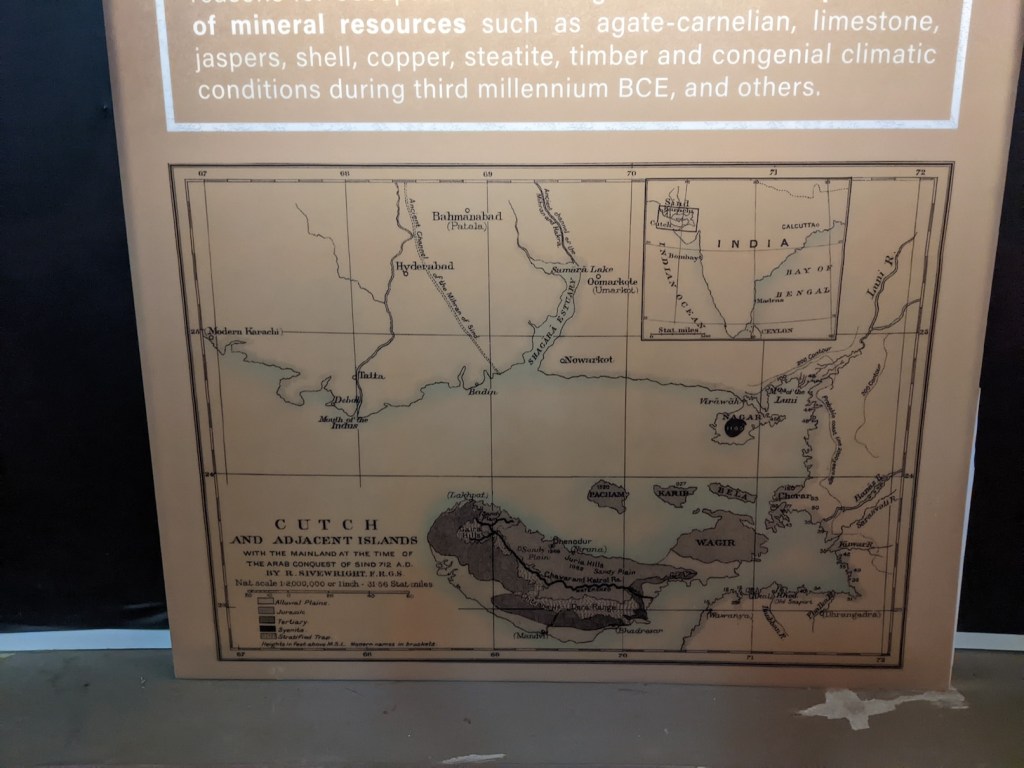
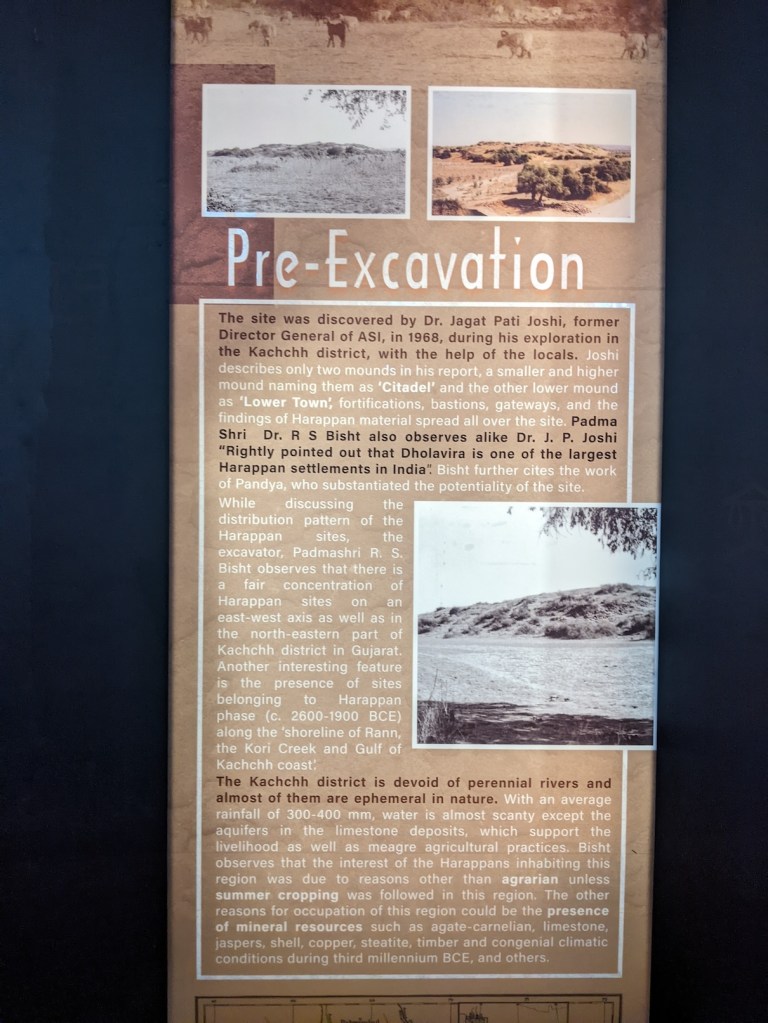
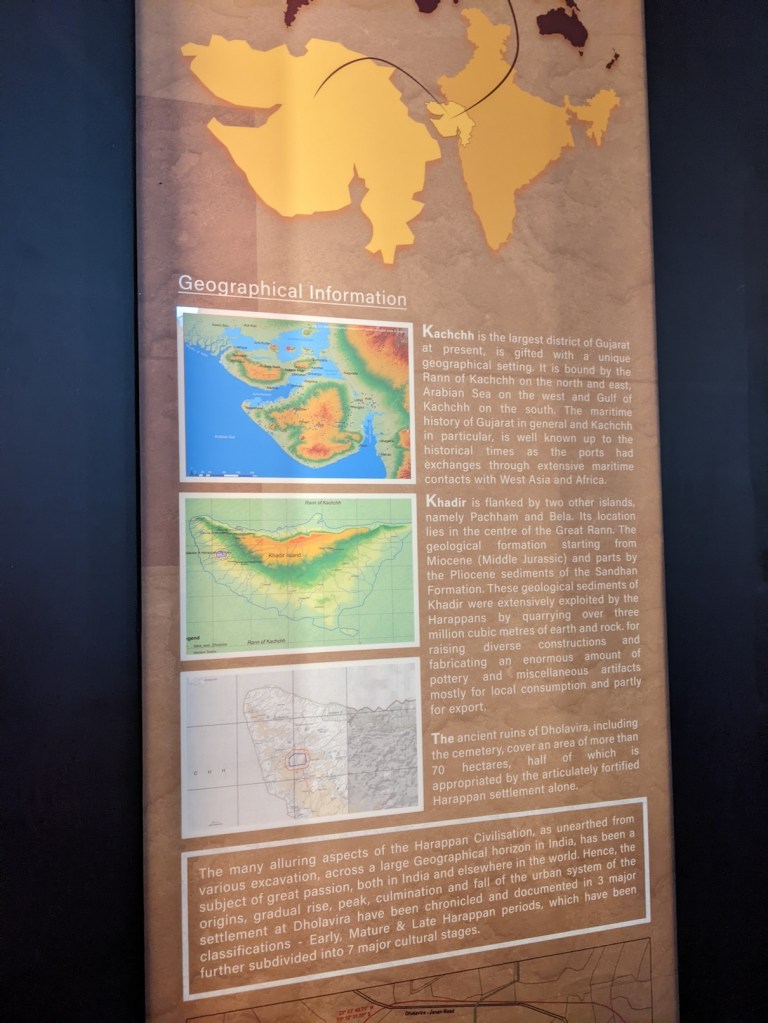
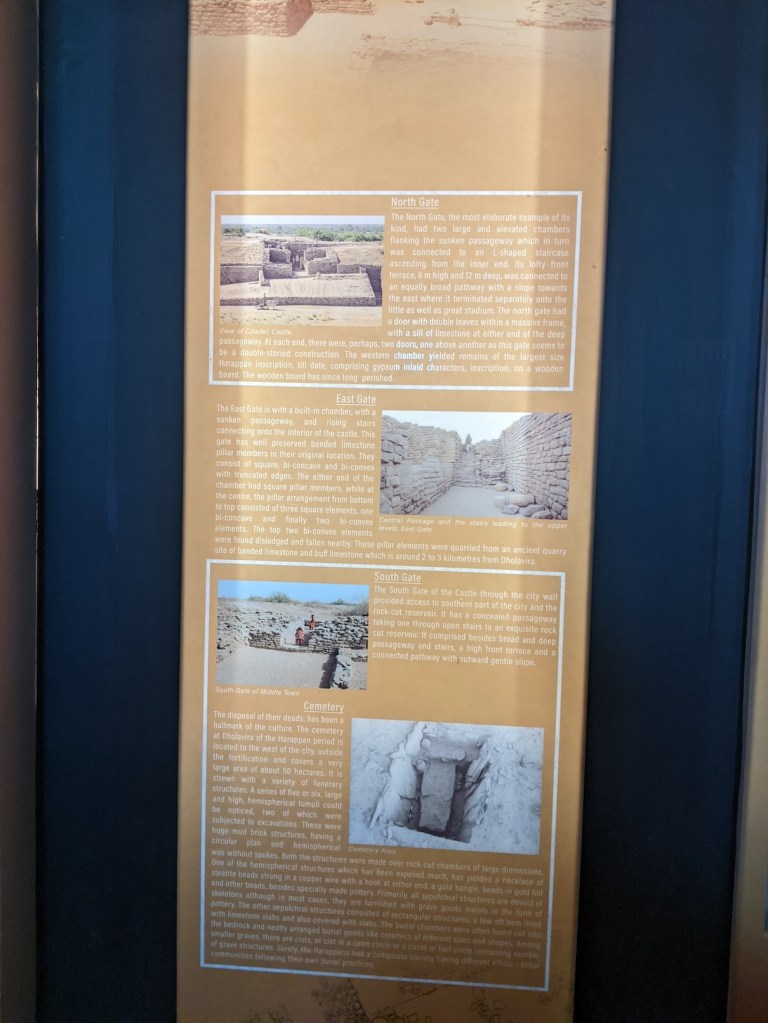
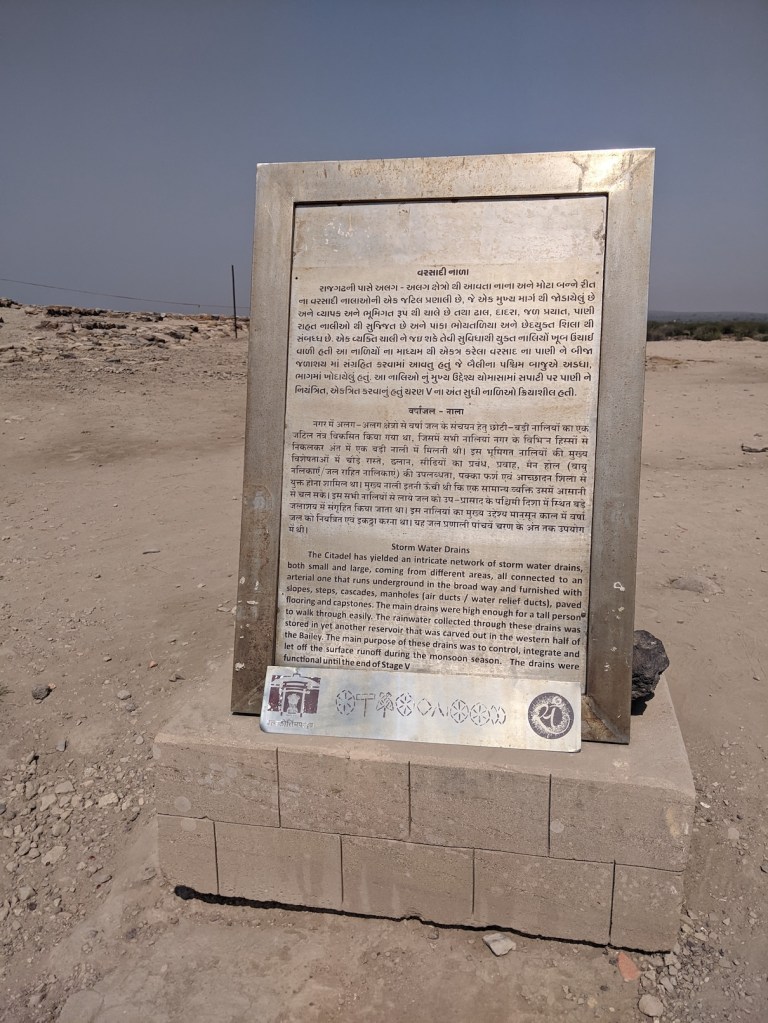
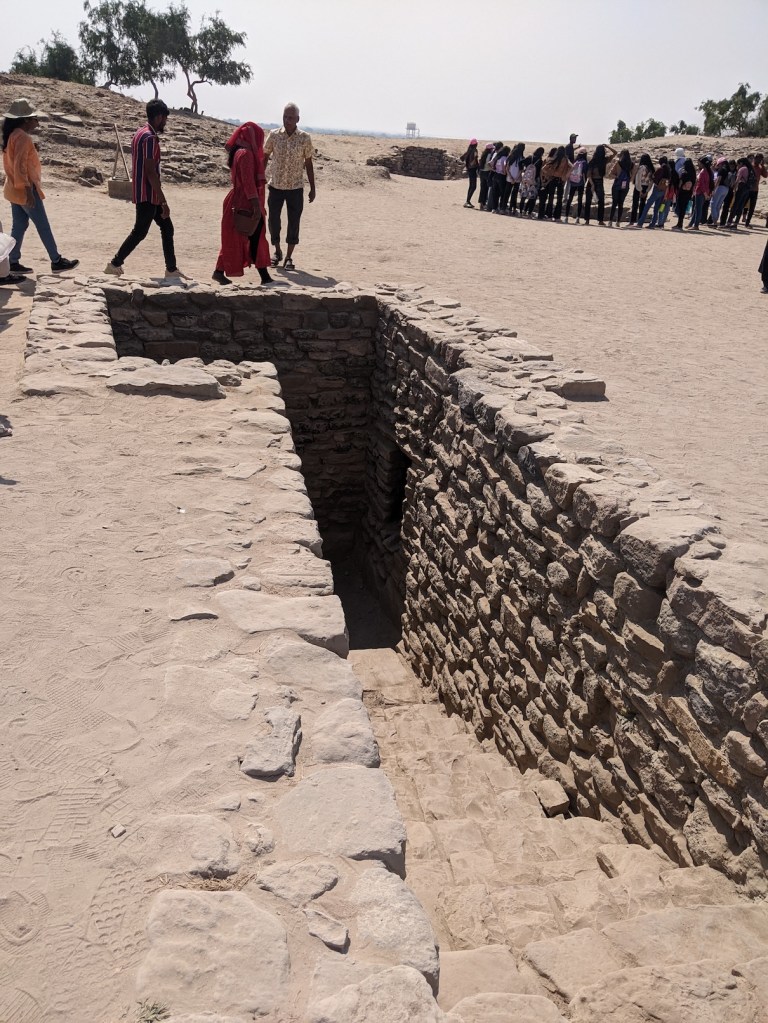
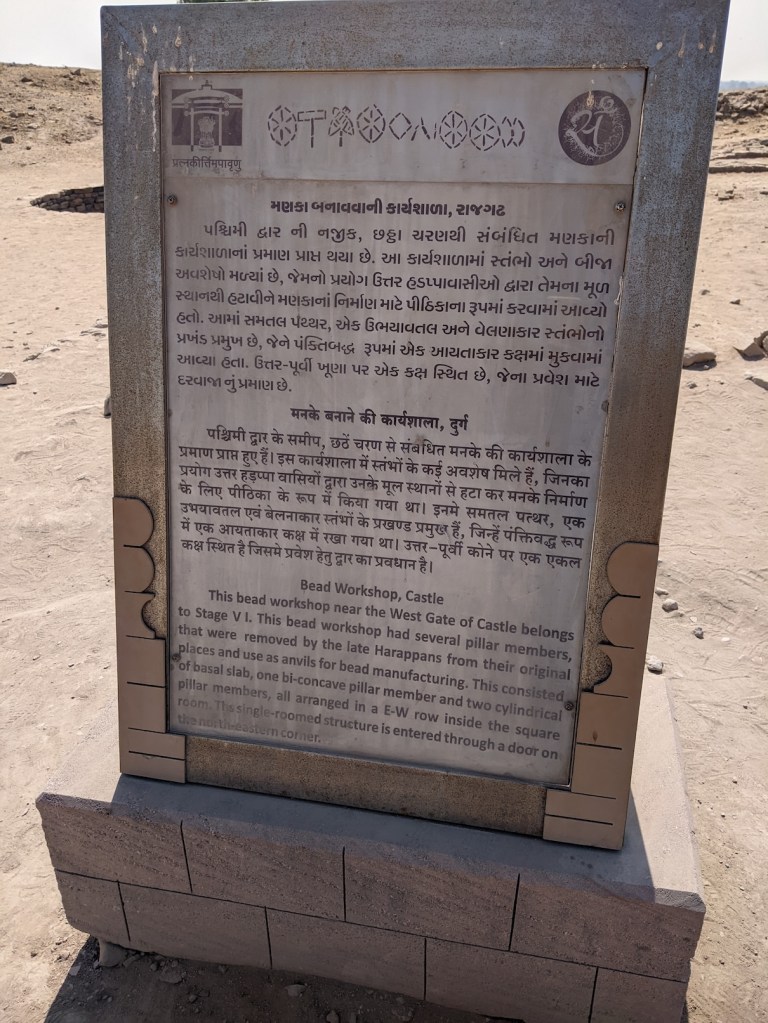
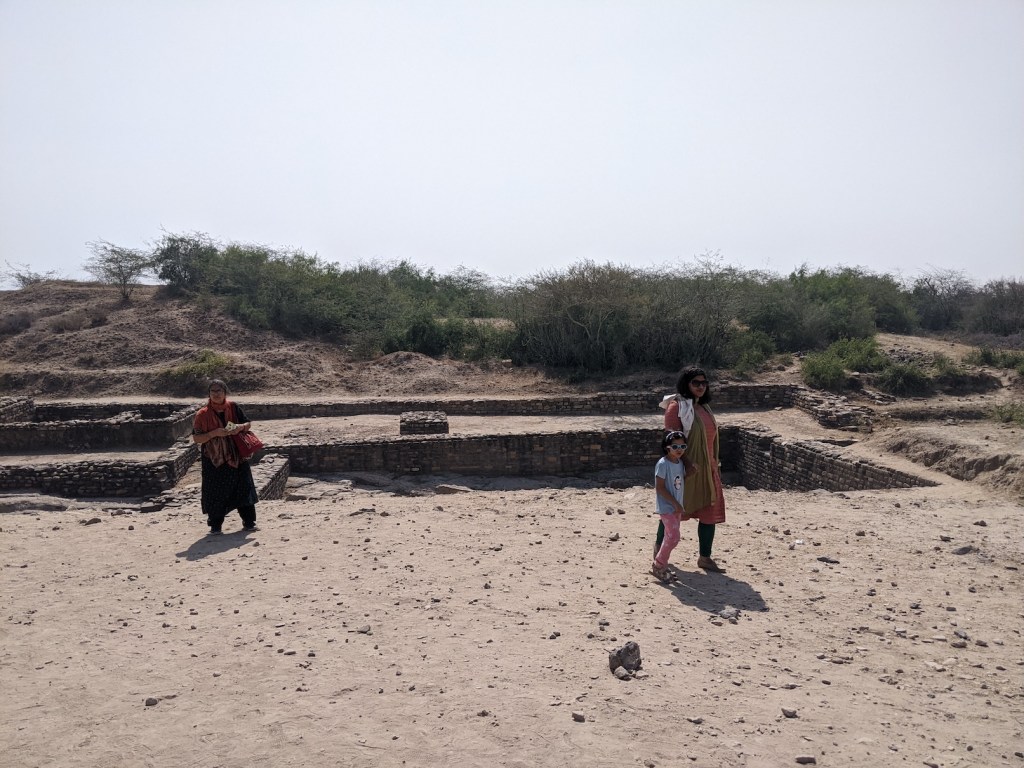
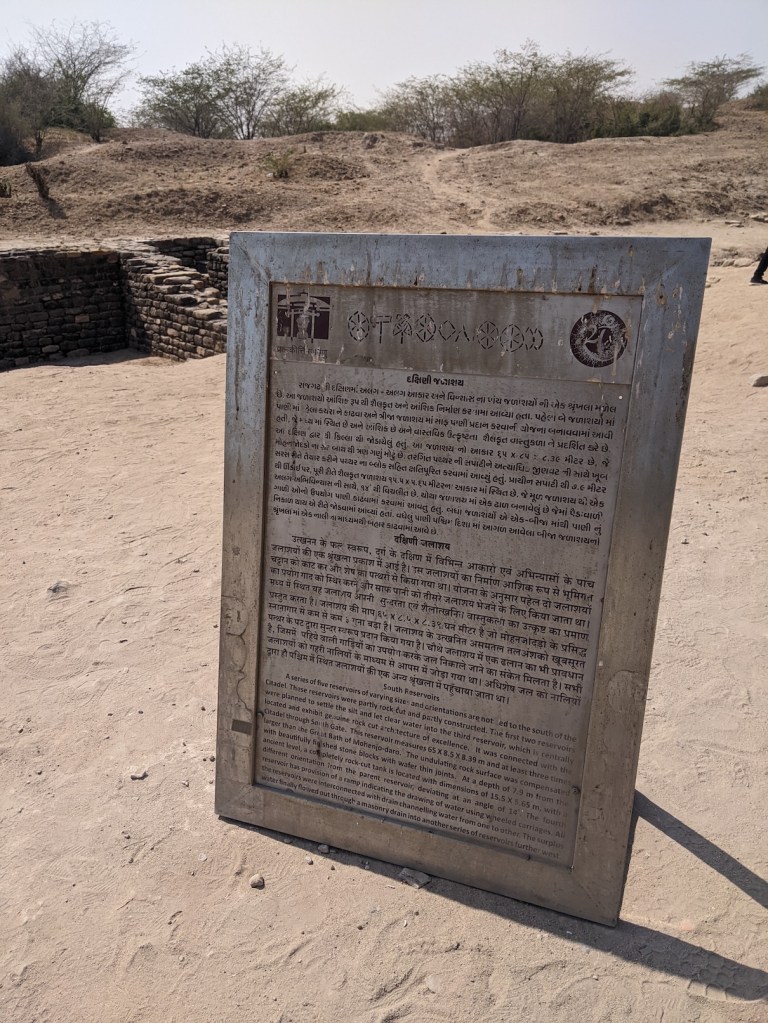
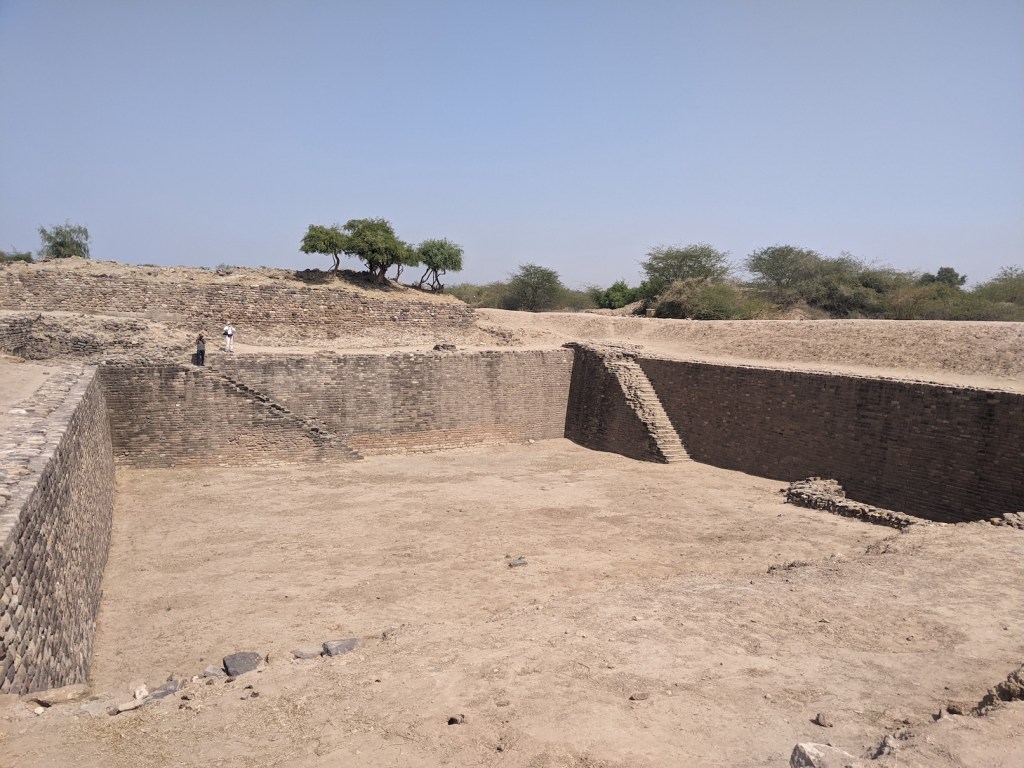
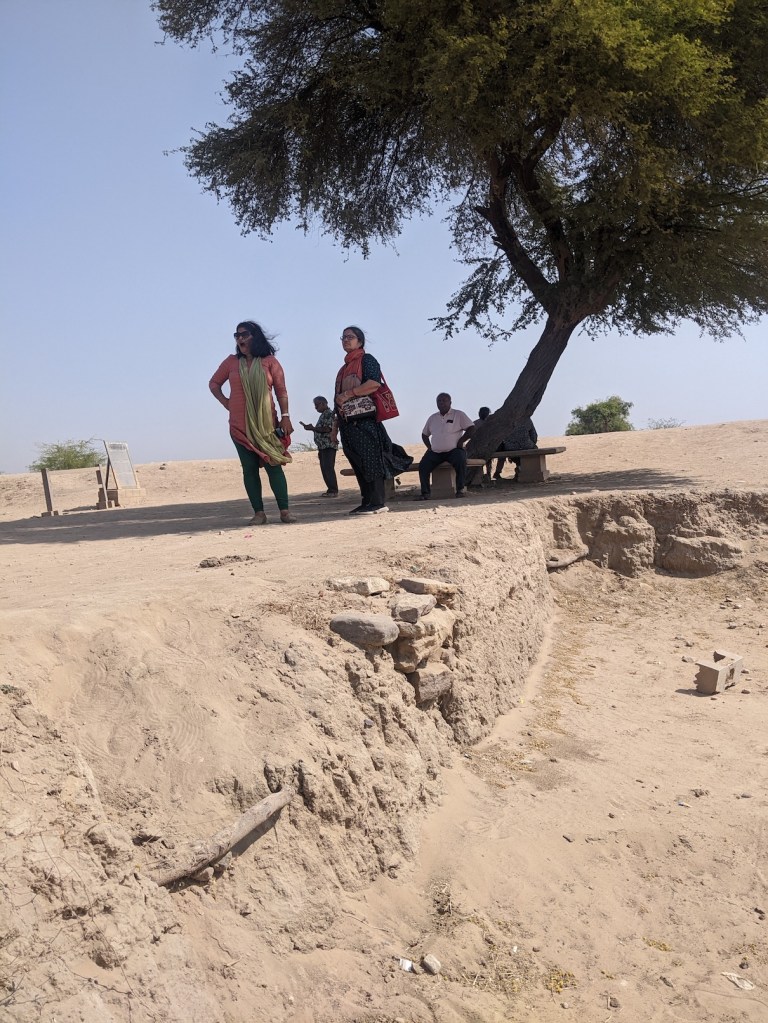
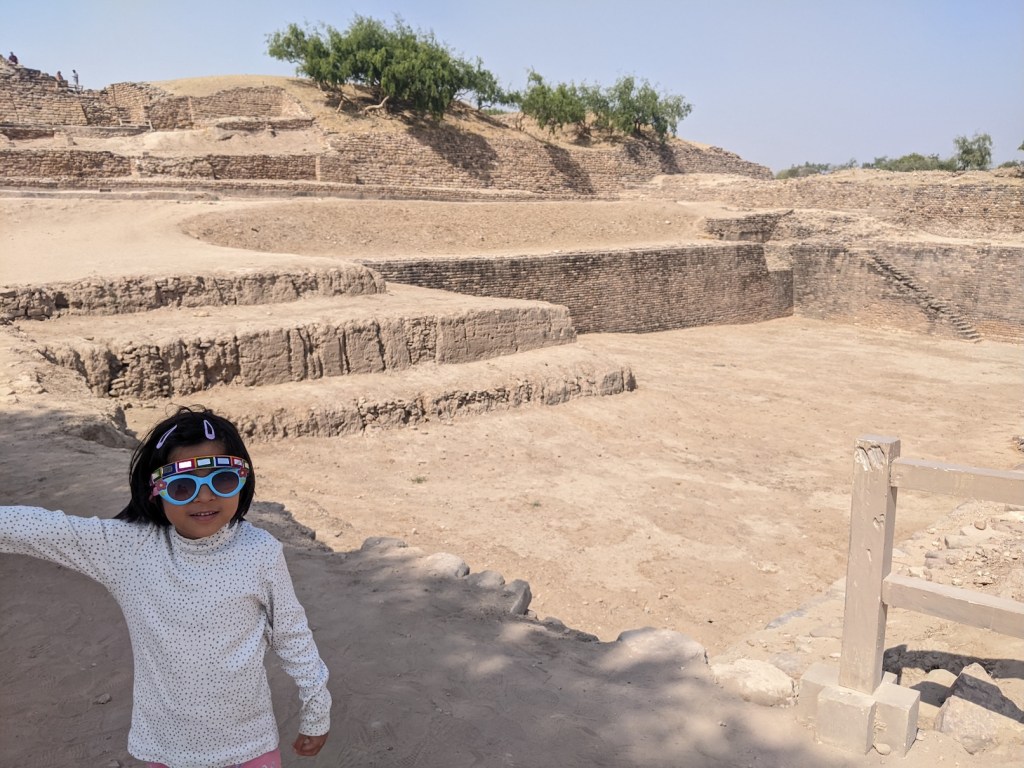
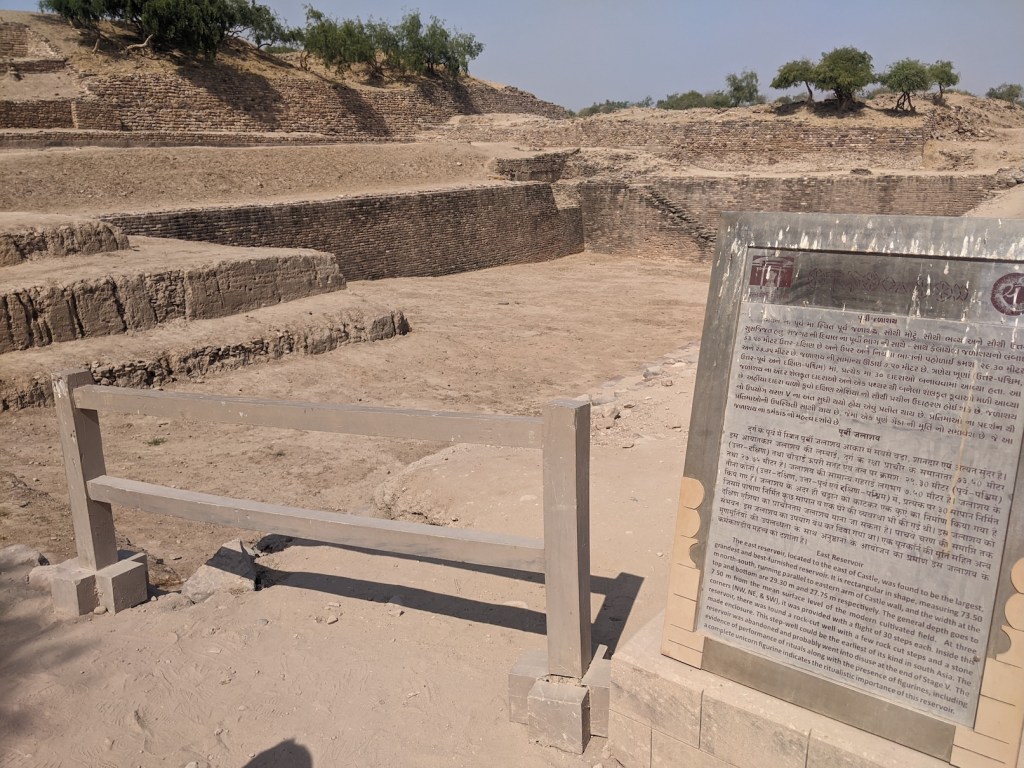
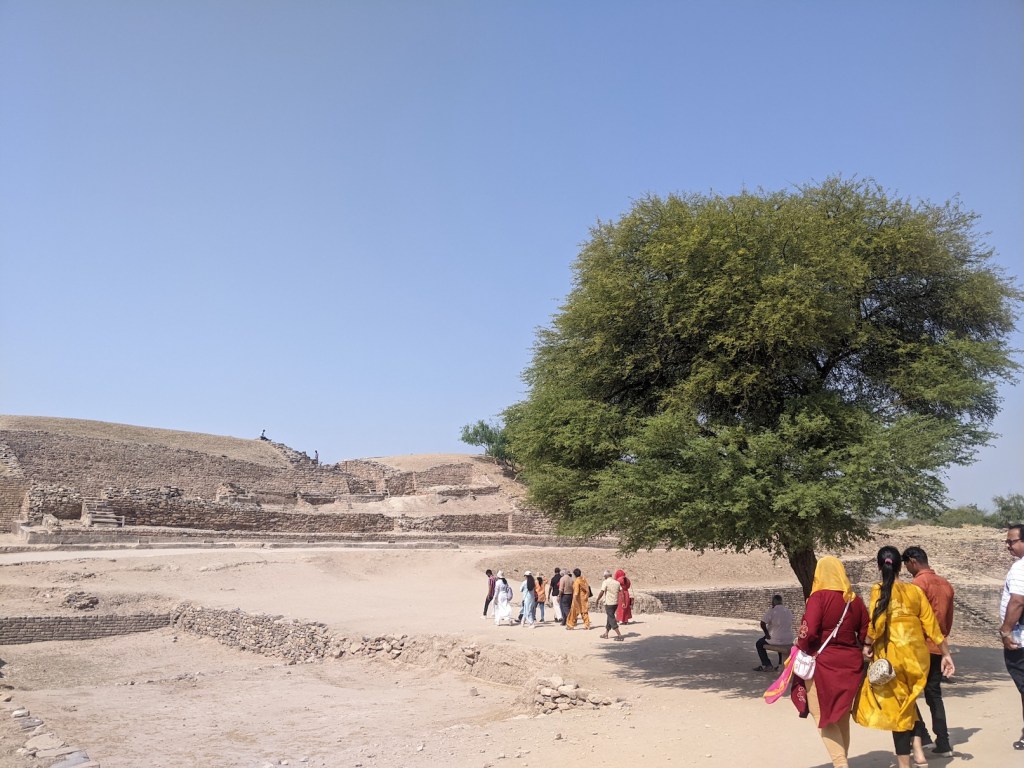
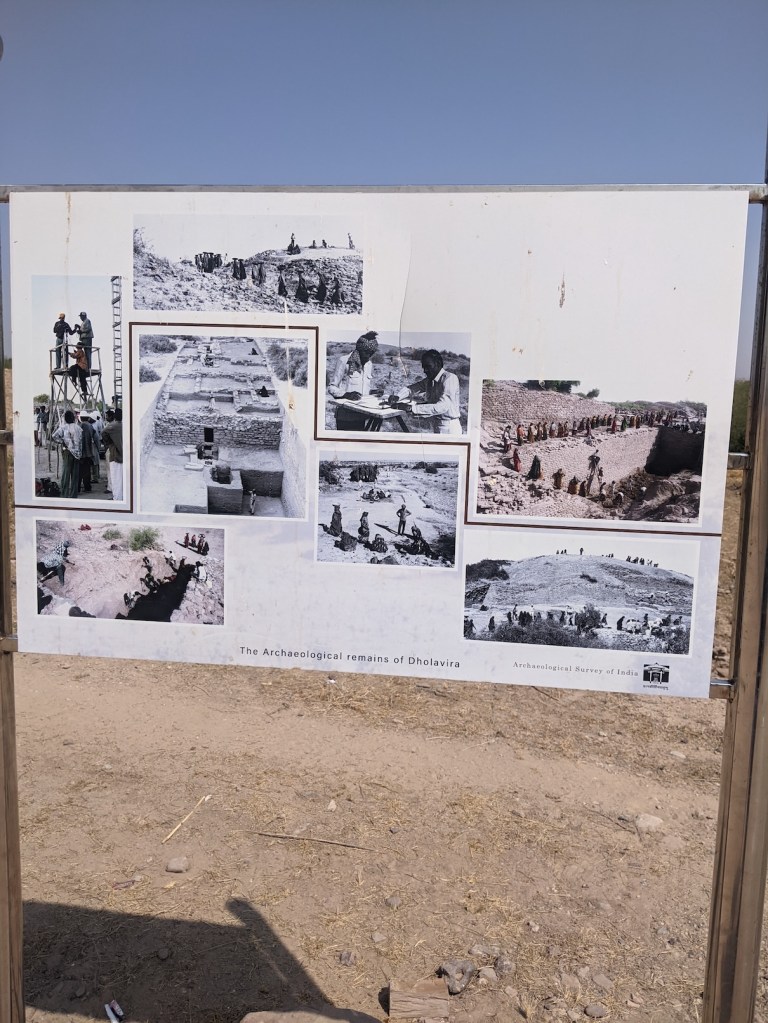
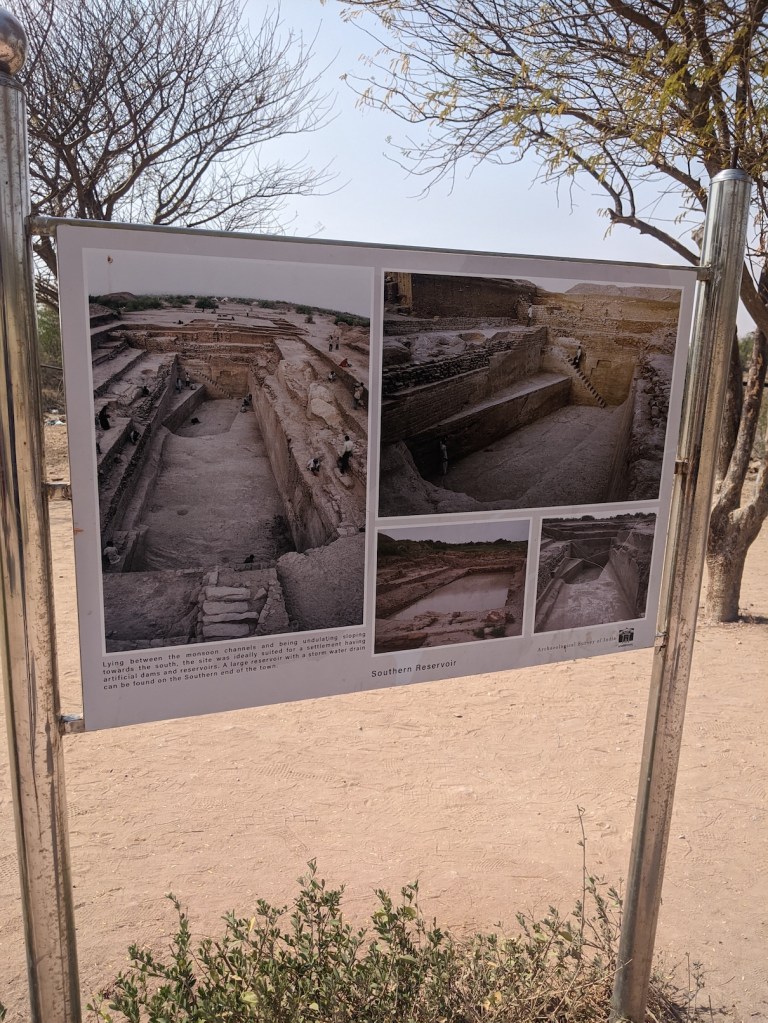
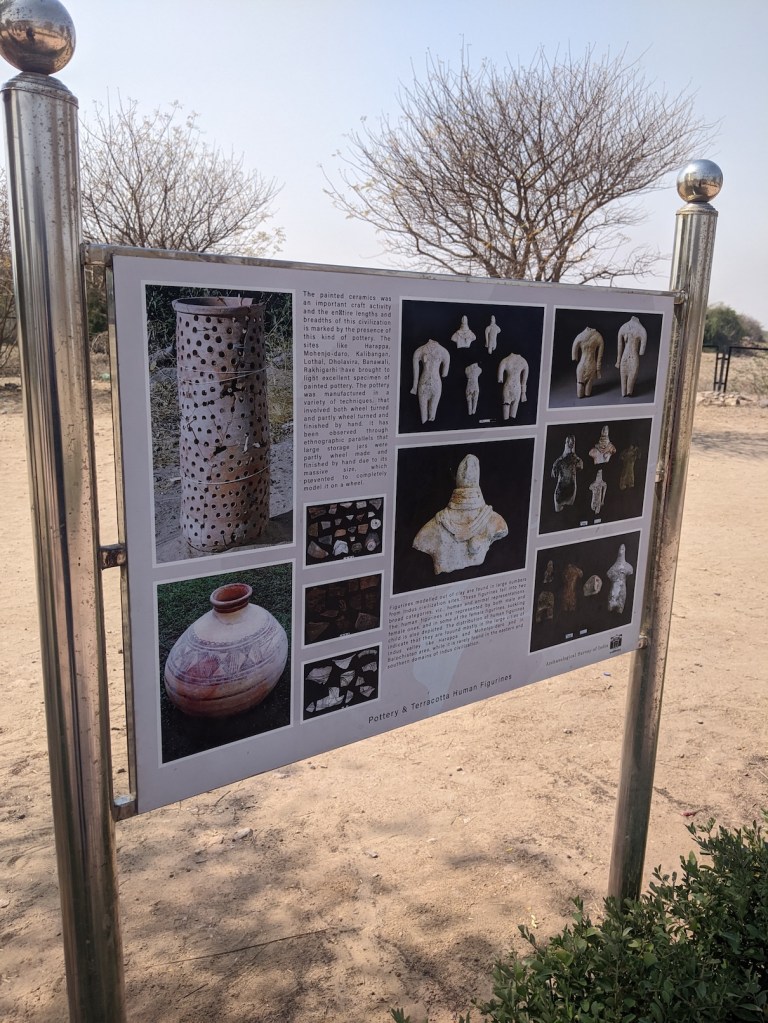
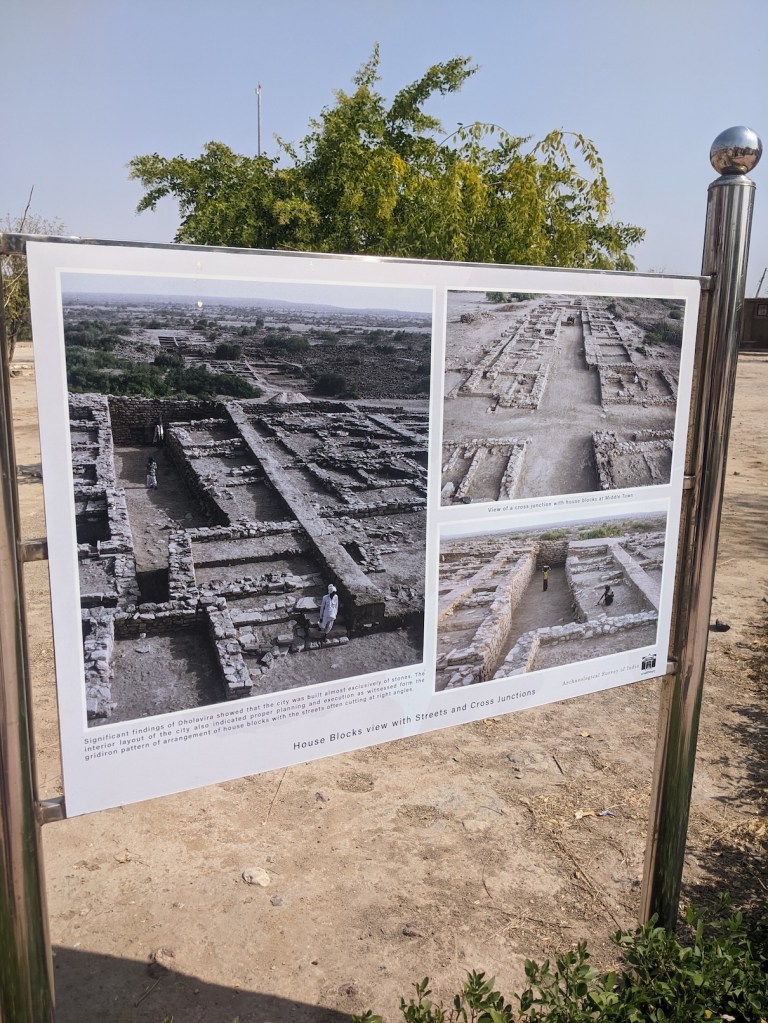
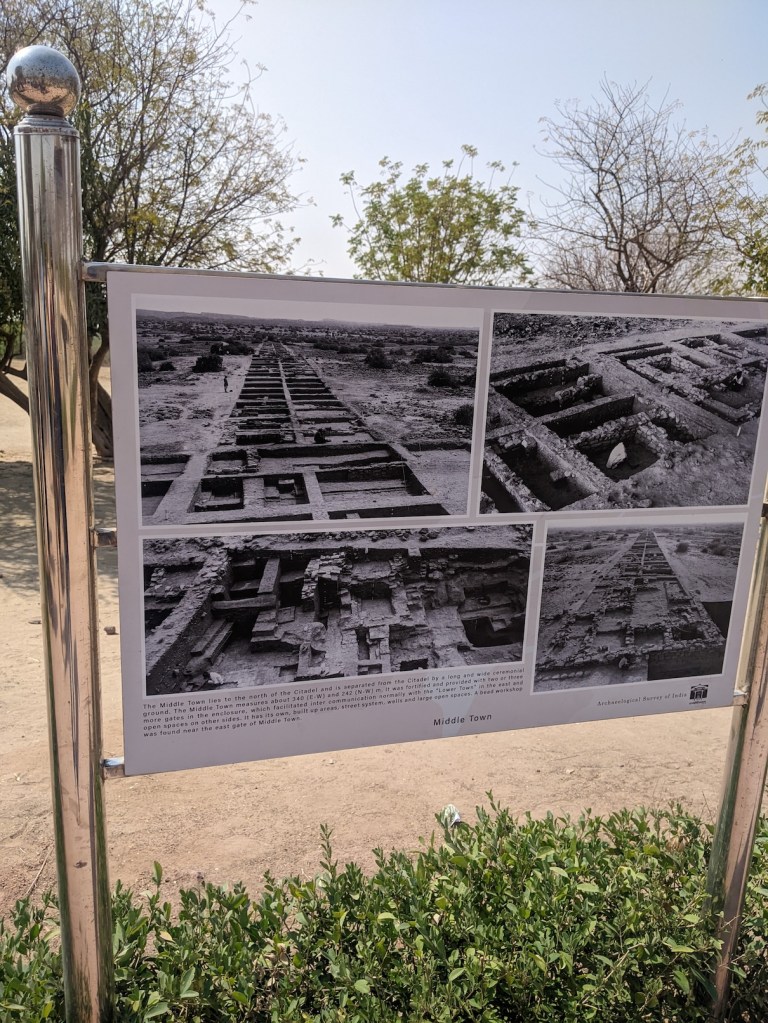
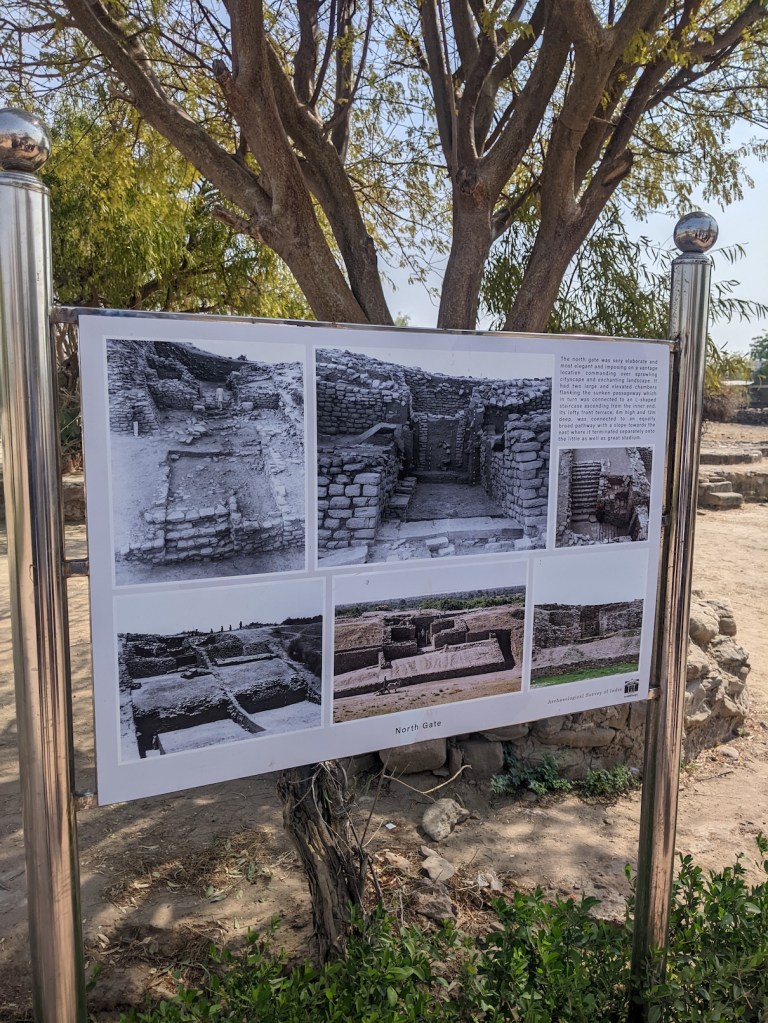
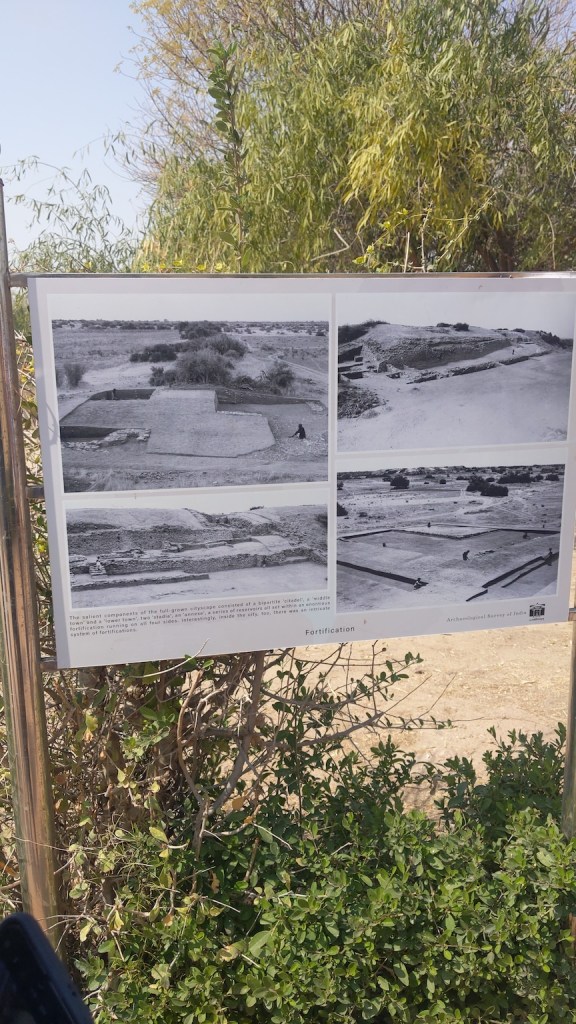
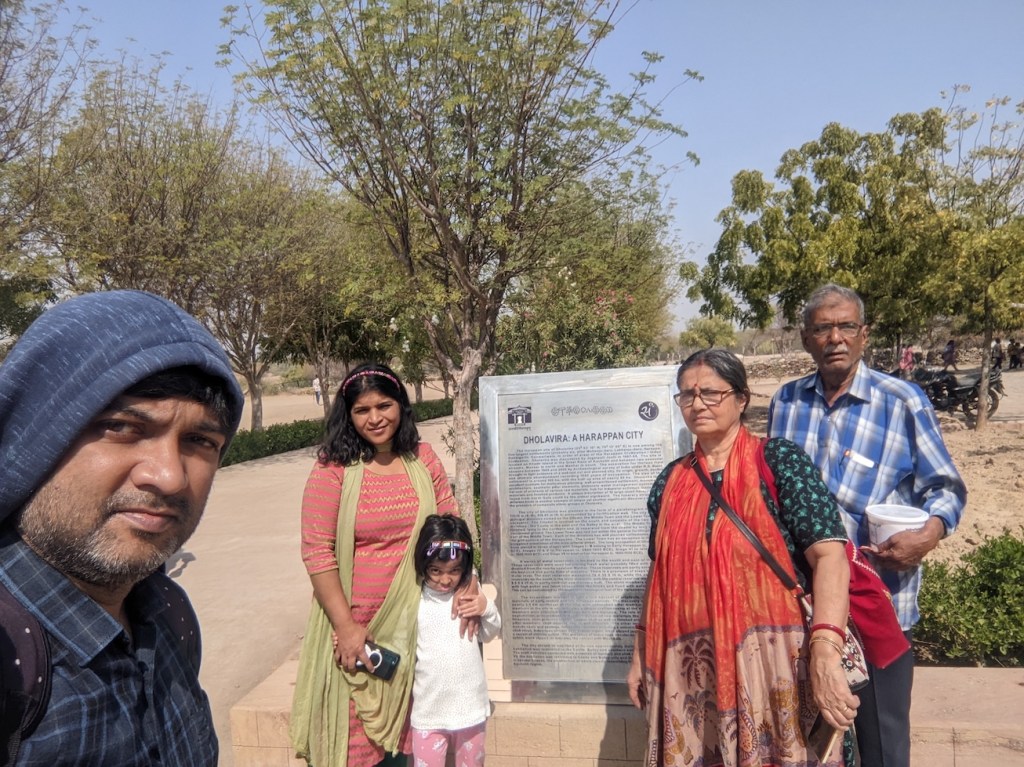
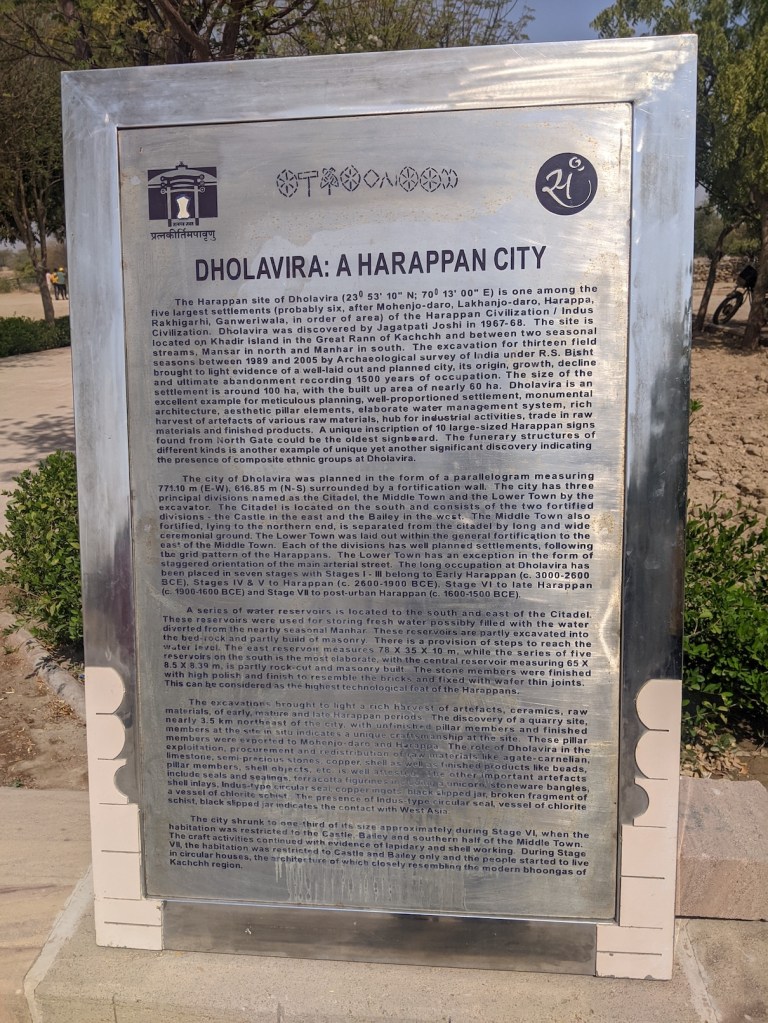
Considering the kind of landscape that we had just driven through, one can understand how precious fresh water must have been in this region. The inhabitants had built massive reservoirs, some cut into rock, and systems to collect rainwater and divert water from nearby seasonal streams into these reservoirs.
There is also archaeological evidence of the inhabitants of Dholavira having trade relations with regions as far away as Mesopotamia and present-day Oman.
It is quite incredible to think of the sophistication of a civilisation which existed so many thousands of years ago. And that too, in such a harsh terrain.
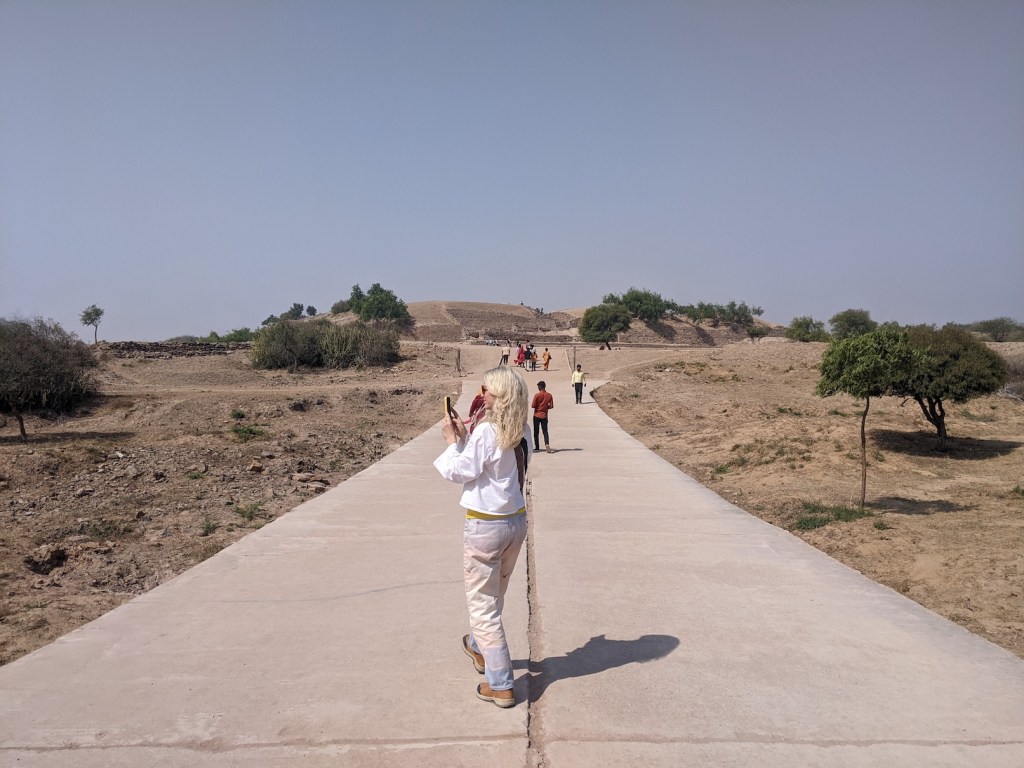
For those interested in history, do keep aside a couple of hours for Dholavira. There is much more to this place than just some excavated walls and ruins.
Kala Dungar – The highest point in Kutch
Kala Dungar, also spelt Kalo Dungar, literally translates to Black Hill.
At an altitude of 462 metres, this is the highest point in Kutch. There is also a 400-year-old temple here dedicated to Lord Dattatreya.
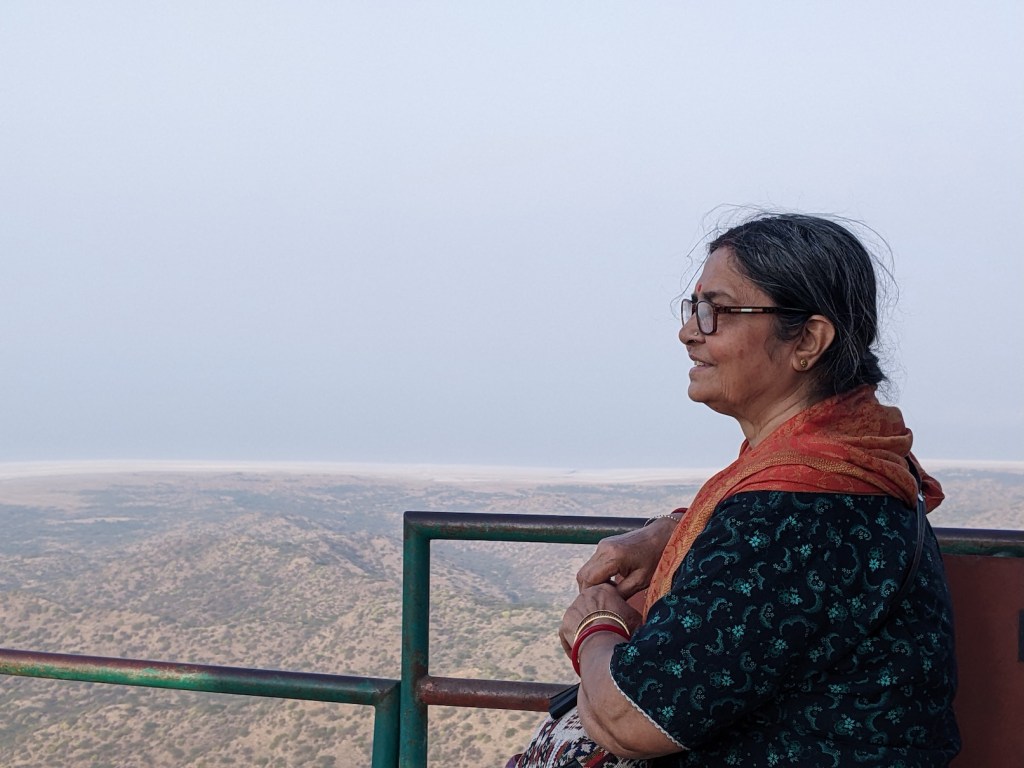
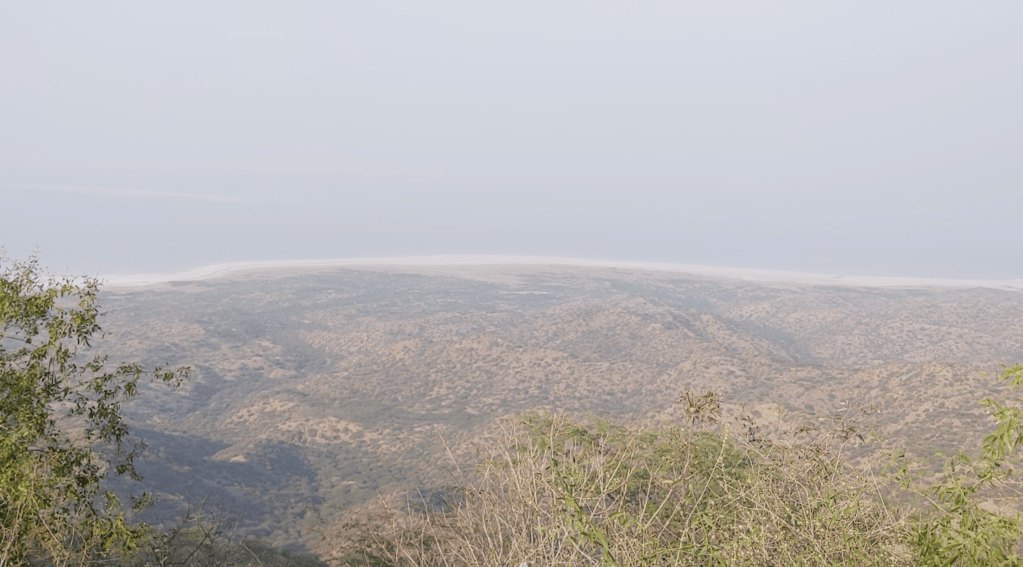
The interesting part about Kala Dungar is the view you get from the top. Having spent the last couple of days seeing the Rann from ground level, here you get to see the vastness of the entire landscape from an elevation.
The endless stretch of the Rann that you see from up here gives you some perspective of how enormous this salt desert actually is.
While going up to Kala Dungar, there was another interesting thing that our driver showed us.
There is a stretch of road popularly referred to as the Magnetic Hill. Our driver stopped the car at a particular spot, put the car in neutral and released the brakes. The car started rolling backwards on its own, seemingly uphill!
The popular explanation given here is that the rocks in the area have magnetic properties which pull the vehicles. However, such phenomena are generally attributed to an optical illusion created by the slope of the road and the surrounding landscape. What appears to be uphill is actually a downhill slope.
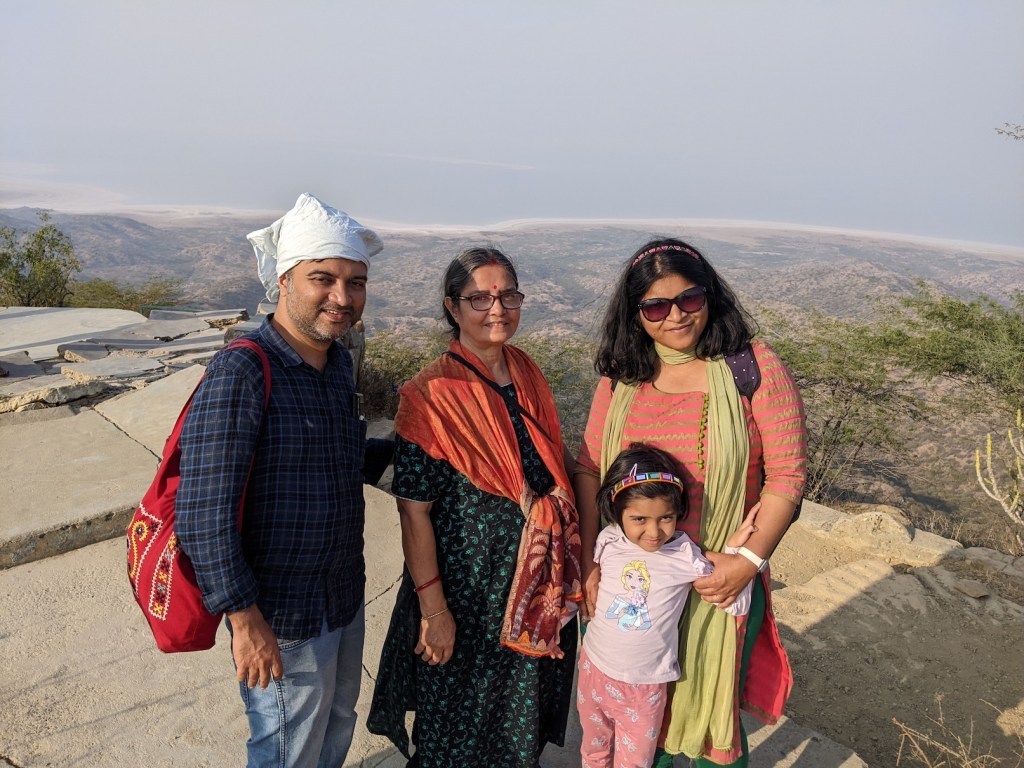
Whatever the explanation, it was quite interesting to experience it ourselves.
Post Kala Dungar, we headed back to the Tent City.
Overall, it was a day very well spent. And had we stuck to the original itinerary, we would have missed out on what were probably the two best experiences of our Kutch trip – the Road to Heaven and Dholavira.
Day 3 – Back to Bhuj
This was our last day at the Tent City.
We spent the morning leisurely, walking around and exploring the Tent City itself. We had hardly spent any time exploring the place during the previous day, since we were out sightseeing for almost the entire day.
The checkout time as per our package was 9:30am.
The 2 nights package also had a complimentary visit to the Smritivan Earthquake Museum in Bhuj on the way back. The museum has been built in memory of the devastating earthquake that struck Kutch in 2001. We did not visit this, but came back directly to the Bhuj station.
A quick visit to Bhujodi
Our train from Bhuj to Mumbai was in the evening, and we had quite a bit of time in hand. So we decided to visit Bhujodi, a traditional weavers’ village around 8 kms from Bhuj, known for its handloom textiles and handicrafts. We took an auto from the railway station, and it took us around 20-30 mins to reach there. We went to one of the local weavers, who had a traditional family-run workshop and a shop in his own house. He spent some time with us, showing us how he spun the yarn and explaining the process of making the textiles. He also had quite an extensive collection of handwoven products. While we were there, a few foreign tourists also walked in, and he seemed to be quite a well-known name in the weaving community. Unfortunately, I have forgotten his name and have also managed to misplace his visiting card!
The experience here was quite in contrast to what we had at Gandhi Nu Gaam the previous day. Here we were actually sitting in the house of a traditional artisan, getting to see his craft firsthand. If you are interested in the handicrafts of Kutch, I would definitely recommend a visit to Bhujodi. We spent around an hour here before taking an auto back to the Bhuj railway station, from where we took our evening train to Mumbai.
A few pointers for those planning a trip to Rann Utsav
- Go earlier in the season. I would personally prefer December over February if I were to visit the White Rann again. The chances of seeing a relatively pristine salt desert should be better.
- The 2 nights Tent City package is sufficient if you want to experience the Rann Utsav and cover the nearby attractions.
- Book a separate cab for the second day. Instead of spending half the day inside the Tent City, you can cover the Road to Heaven, Dholavira, Kala Dungar and the handicraft village in the same day.
- Do not miss the Road to Heaven. For me, this stretch of road was even more fascinating than the much publicised White Rann sunset point.
- Keep some time for Bhuj. Especially if you are interested in shopping for Kutchi handicrafts, textiles and embroidery. Do not restrict your shopping to the tourist-oriented stalls and villages around Dhordo.
Overall, Kutch was a very different experience. Though the White Rann itself did not quite live up to the expectations that those marketing brochures had built up, the landscape of Kutch is truly unique.
And that drive through the Road to Heaven… something that will remain etched in my memory for a long time!


Leave a Reply