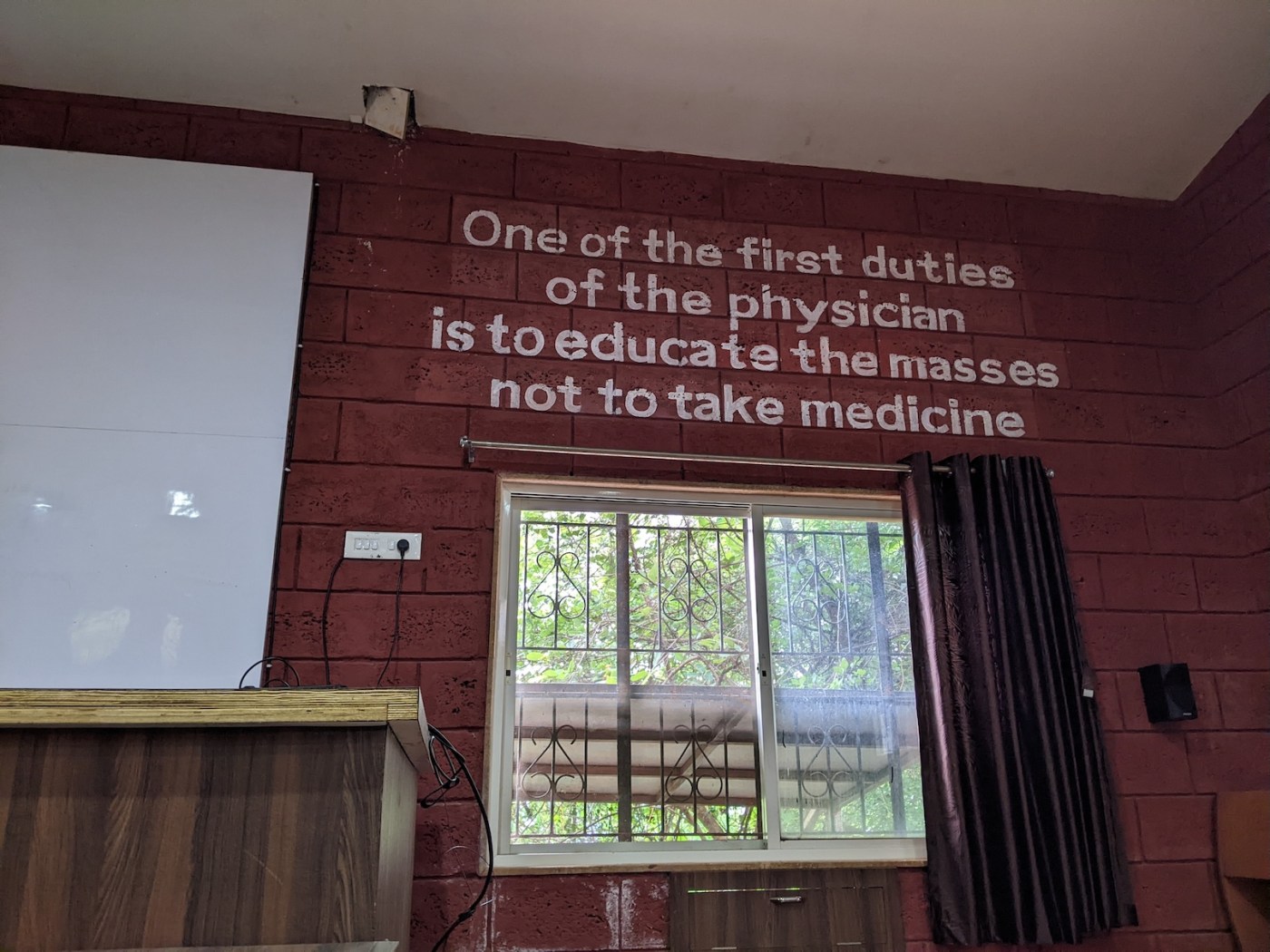
I attended a three-night residential course called Medicine-Free Life at Serene Eco Village, located approximately 70–80 kilometres outside Pune.
Before the programme began, the organisers connected all the participants through WhatsApp. We formed groups based on where we were coming from so that we could carpool for the journey to the village.
A Reunion Before the Journey
I travelled from Bangalore to Pune, where Prithviraj Sir came to receive me at Pune railway station.
Prithviraj Sir was a professor at SIIB, where I completed my MBA, and has remained one of the anchor figures in my life. It was incredibly gracious of him to come all the way to the station to pick me up after so many years.
We went for lunch together, and he did not even allow me to pay for the meal. I later regretted not insisting more strongly on paying. I also regretted not carrying something for him, especially since I was meeting him after such a long time.
I am not particularly good at these social situations. I realise what I should have done only after the moment has passed. At some point, I suppose I have to accept that about myself and move on—while hopefully remembering to do better the next time.
After lunch, Sir dropped me near the place from where our carpool was scheduled to leave. I met the other participants travelling in the same car, and from there we began our journey to Serene Eco Village.
The Unexpected Route to the Village
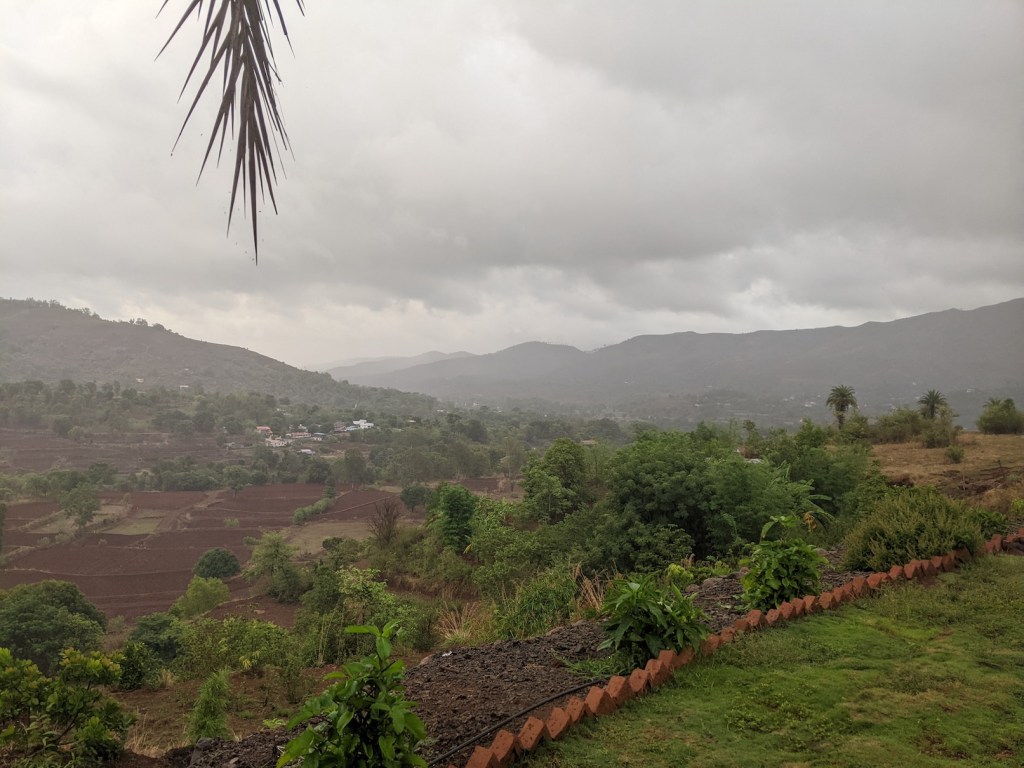
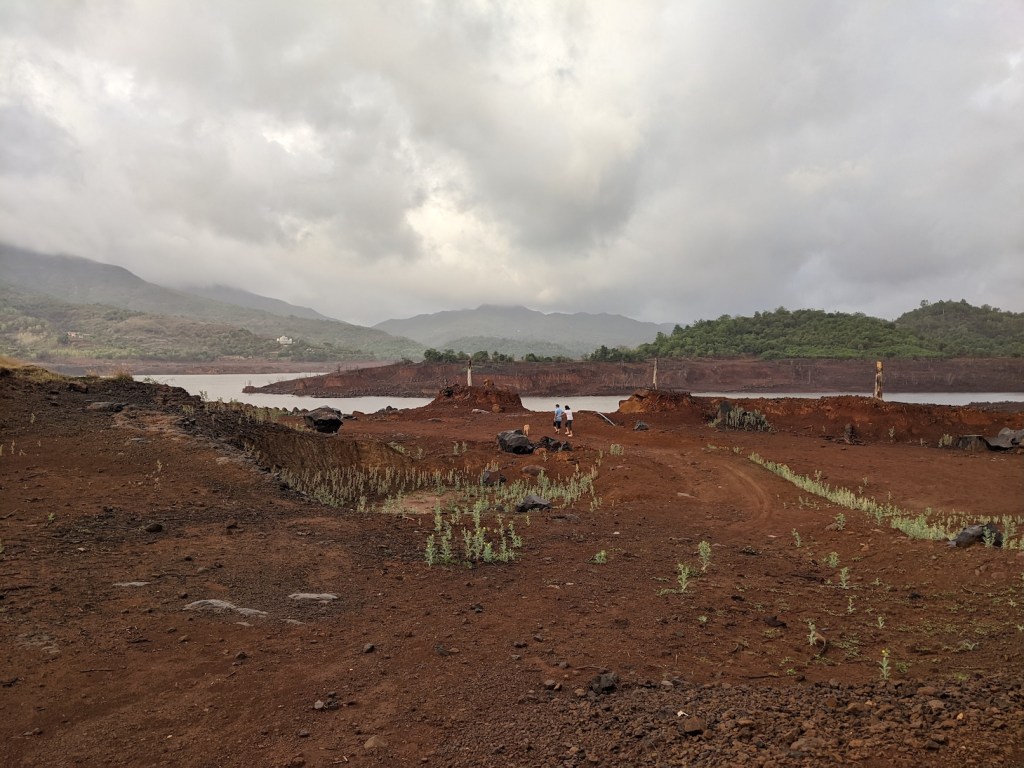
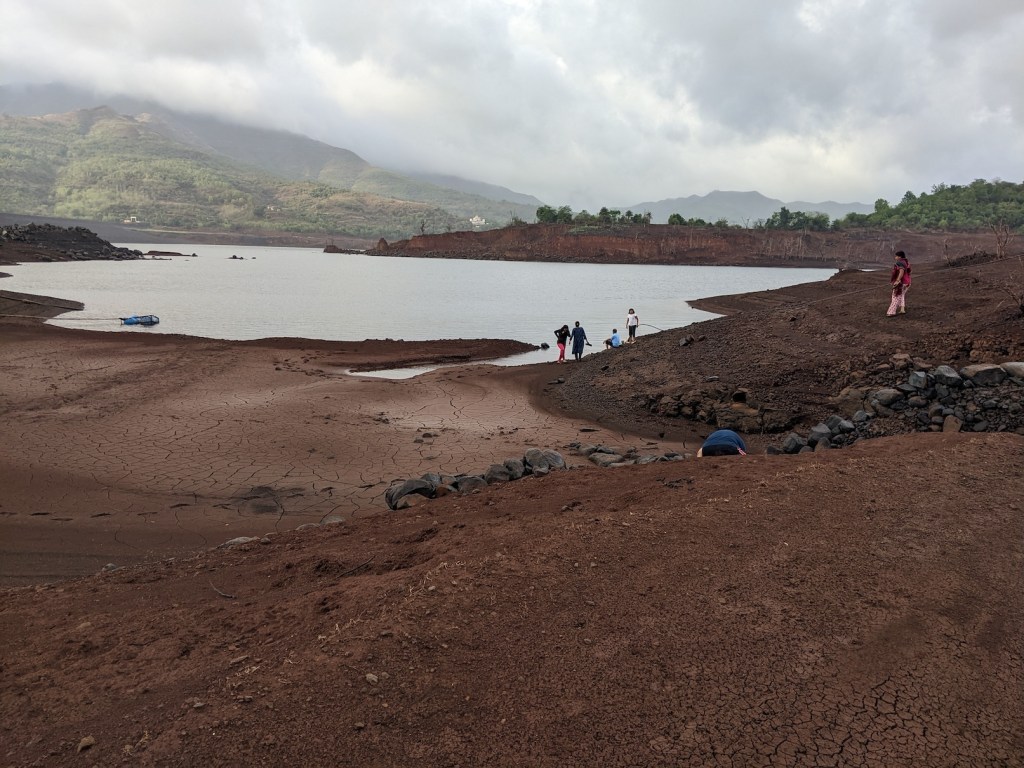
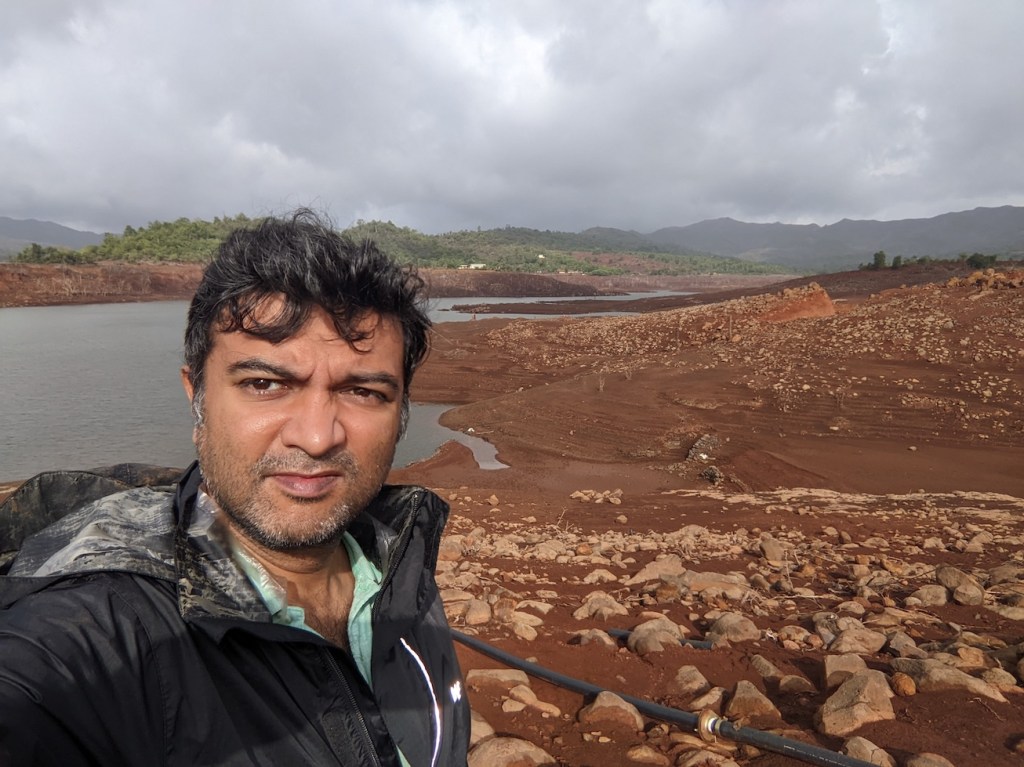
Serene Eco Village is situated in an exceptionally scenic area near a dam, although I no longer remember the name of the dam.
On the way there, we missed the main route. Instead of taking the proper road, we found ourselves travelling across hills and navigating steep and difficult stretches. It became a long, roundabout journey before we finally reached the village.
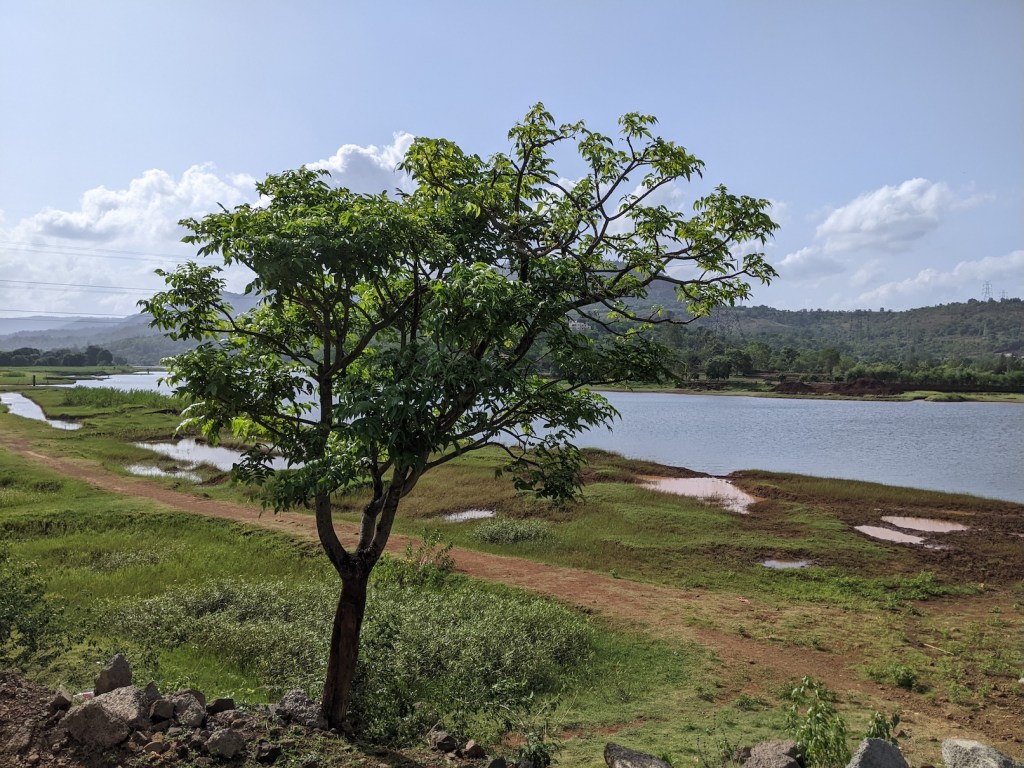

The return journey was much easier. This time, we followed the correct route and travelled mostly on highways and better roads.
The difficult onward journey, however, made our eventual arrival feel even more memorable. After navigating those hills and steep roads, we entered a large, peaceful property surrounded by nature.
The Setting of Serene Eco Village
As I remember it, Serene Eco Village extended across approximately 80–100 acres. A large part of the property consisted of hills, while the flatter portions were used for growing different crops.
Some people who had become closely associated with the programme had also begun taking small parcels of land and creating their own places to stay within the eco-village. It was lovely to see the community around the programme gradually expanding and becoming stronger.
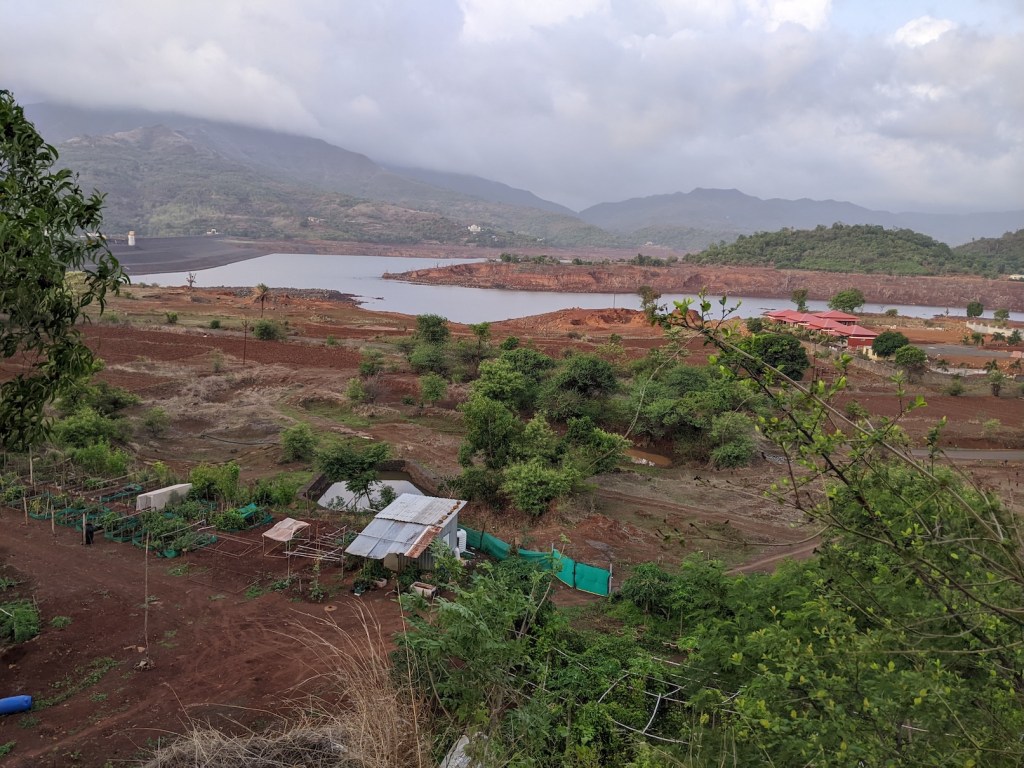
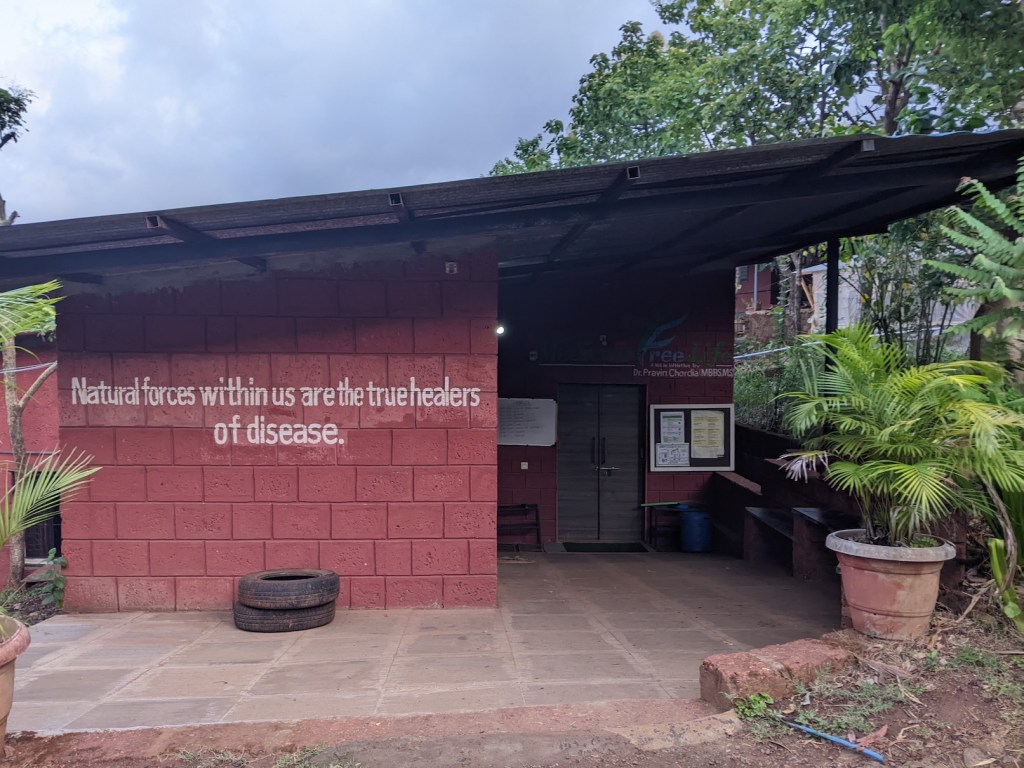
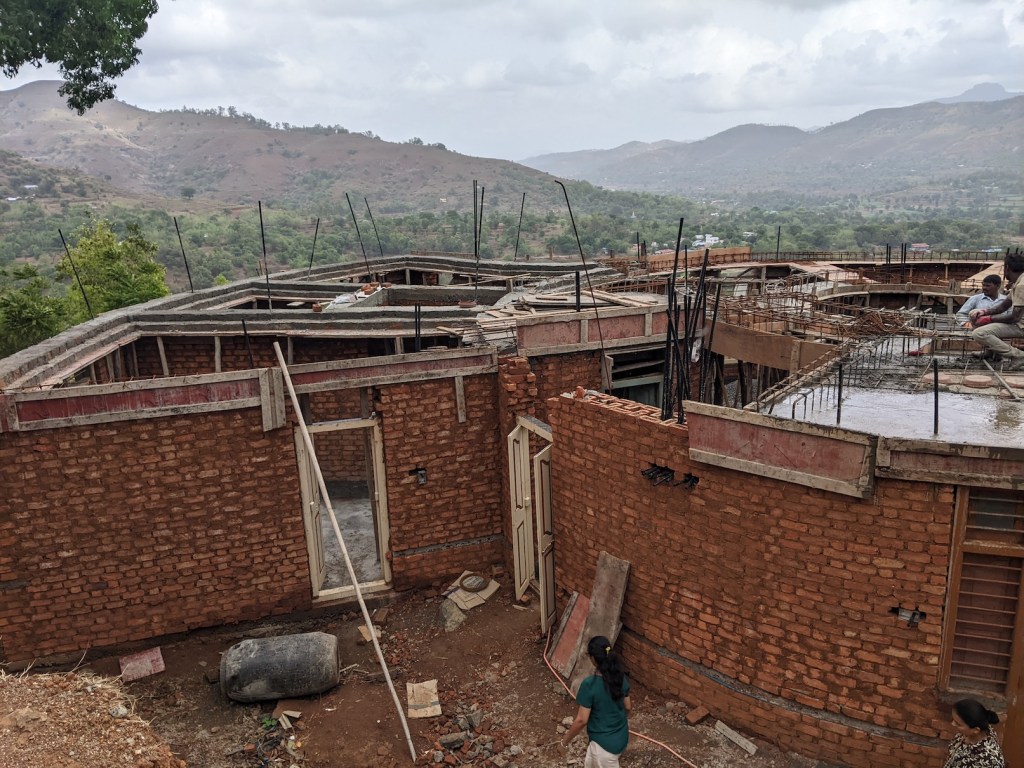
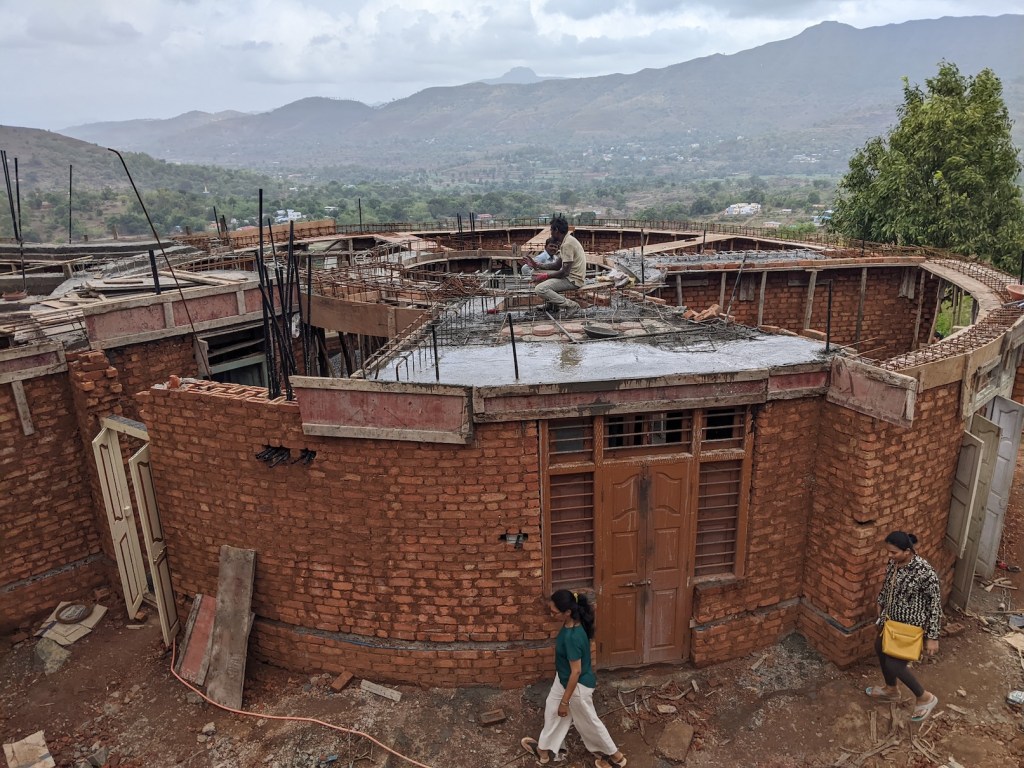
The location itself played an important role in the course. The programme was not limited to listening to lectures inside a hall. The natural surroundings allowed us to experience some of the ideas being discussed.
Most of our time was spent in an indoor hall, where sessions were conducted on different aspects of food, health and lifestyle. But we also went outside for activities connected with earthing, farming and living closer to nature.
Experiencing Earthing at the Dam
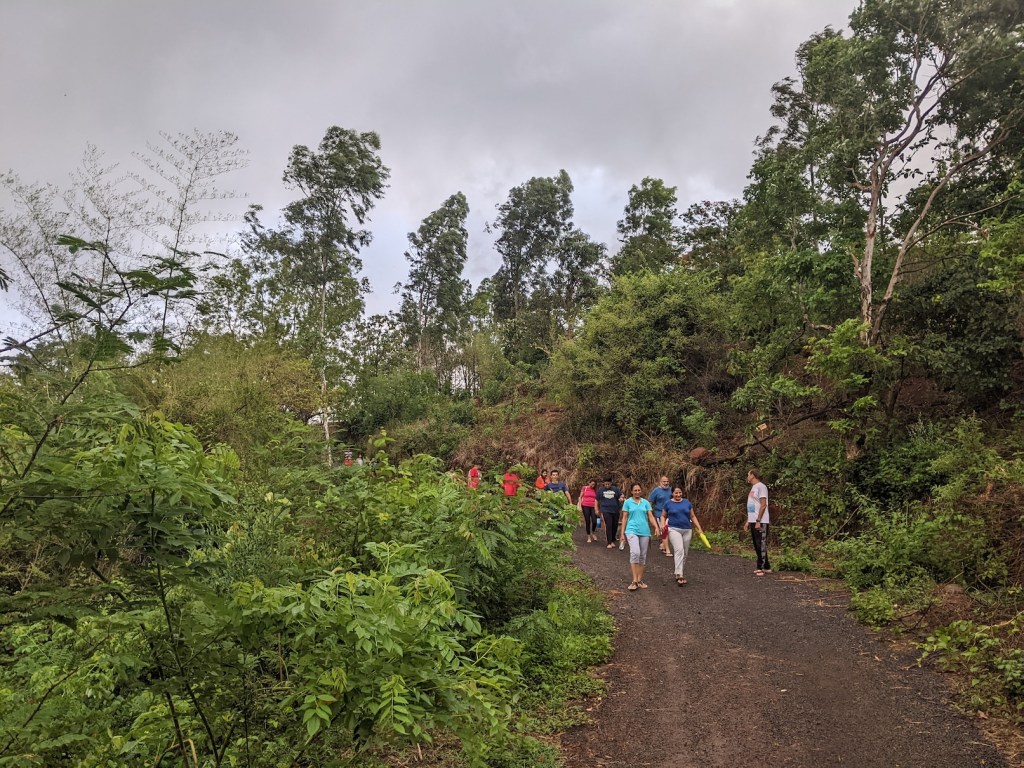
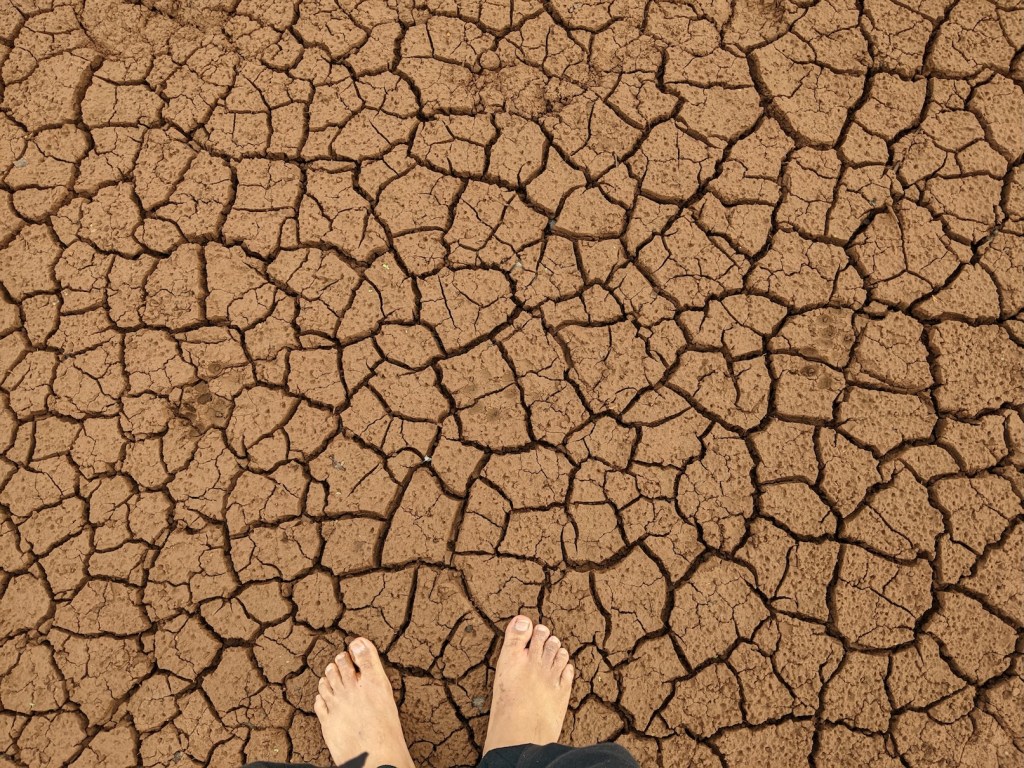
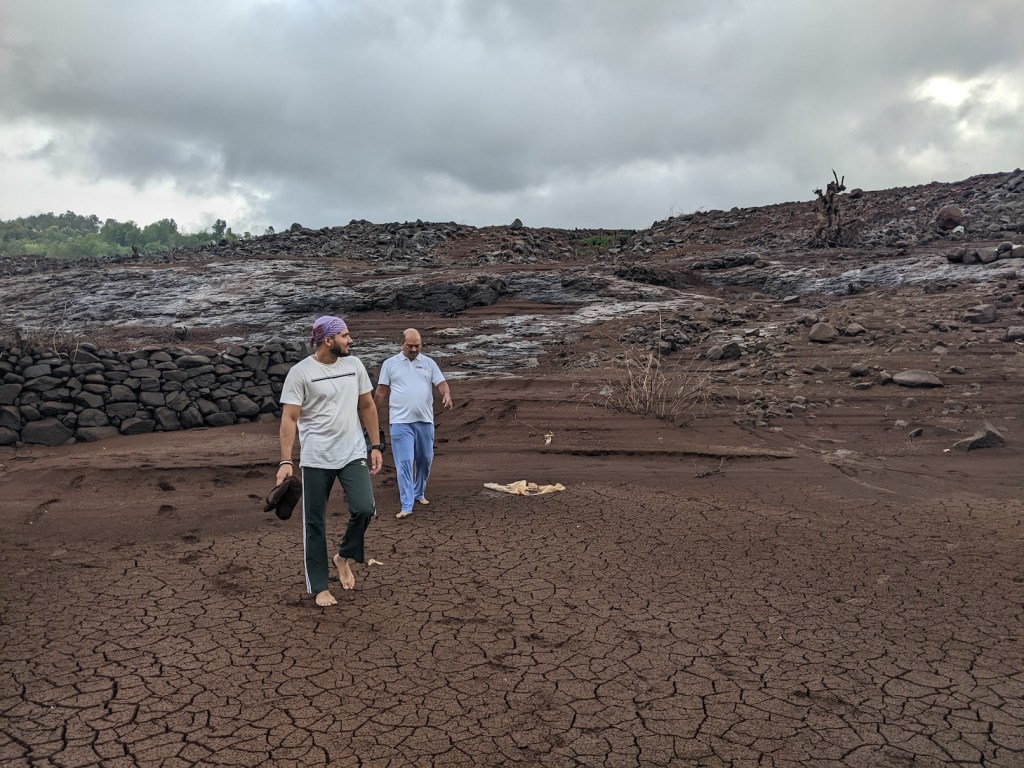
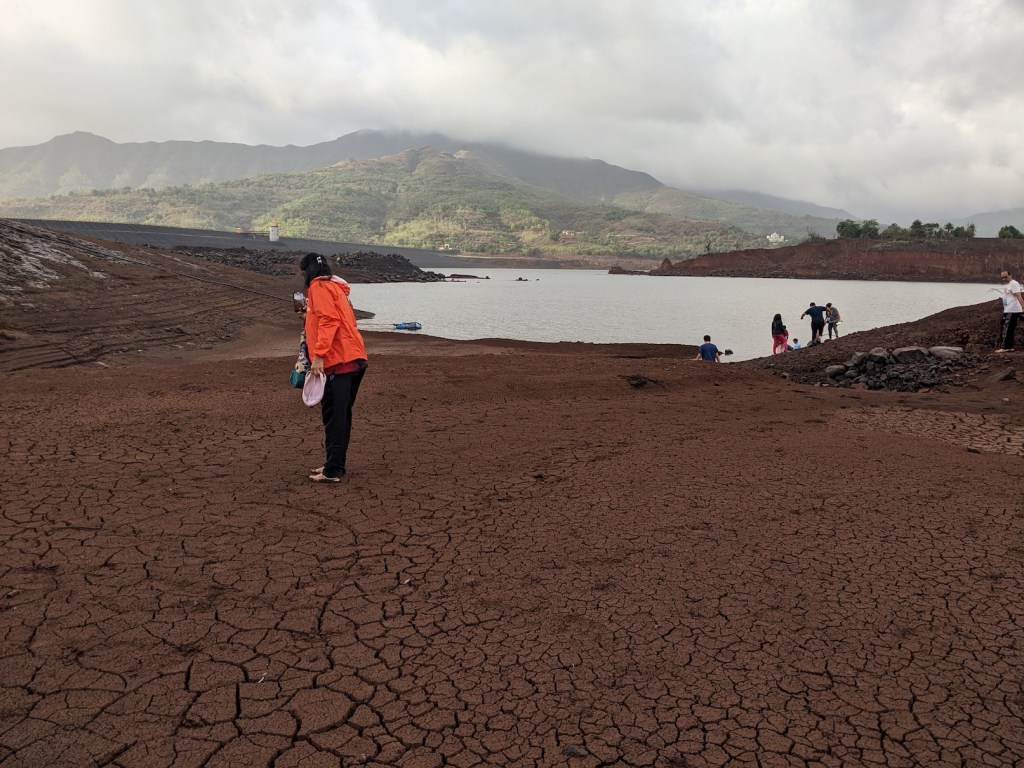
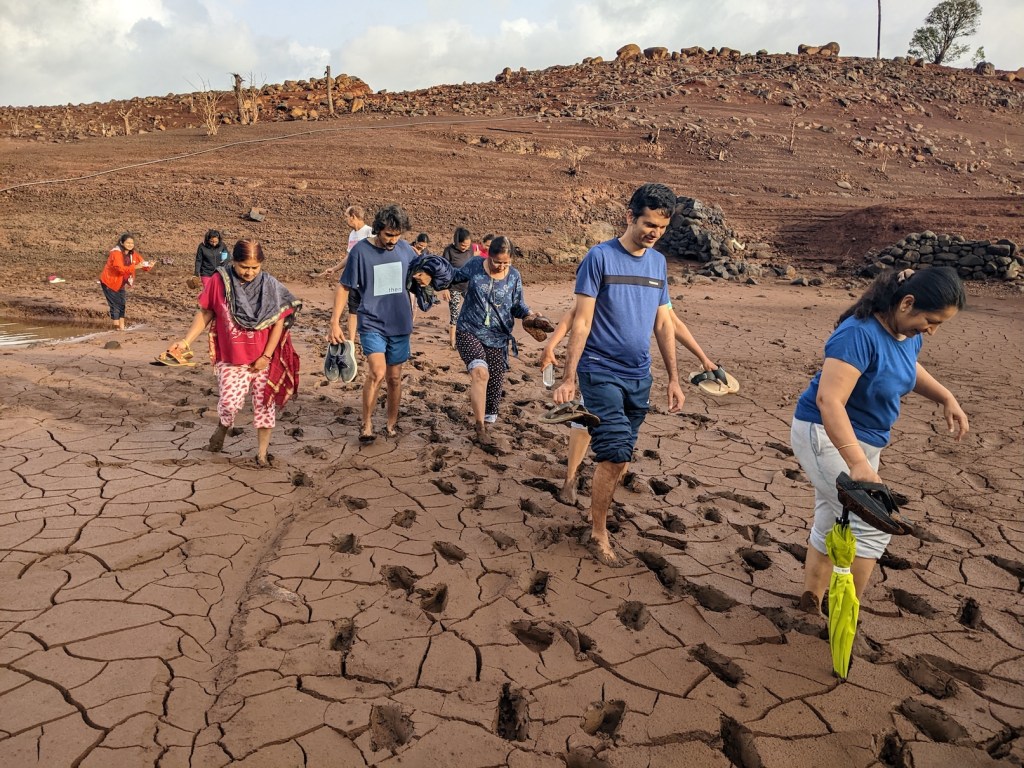
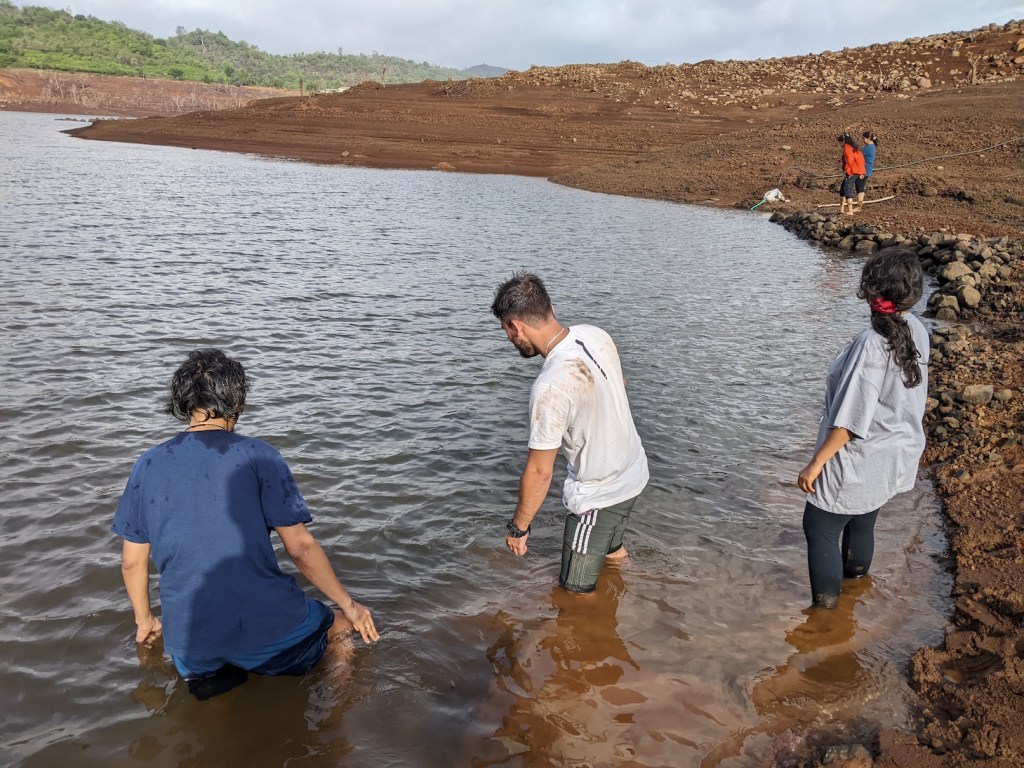
One morning, we walked down towards the dam.
We entered the mud, played in it and allowed it to cover our hands and feet. This was presented as an experience of earthing—coming into direct physical contact with the earth and reconnecting with nature.
It was a very simple activity, but it was also memorable. Instead of discussing earthing only as a concept, we were actually standing in the mud and feeling the earth with our bodies.

A Walk Through the Farm
During another session, Dr. Praveen Chordia took us around the farm.
He showed us the different crops being grown and explained the rationale behind what had been planted. This made the discussions about food and nutrition more tangible. We were not merely looking at pictures or talking about ingredients inside a classroom; we were walking through the land where some of those foods were actually being grown.
/
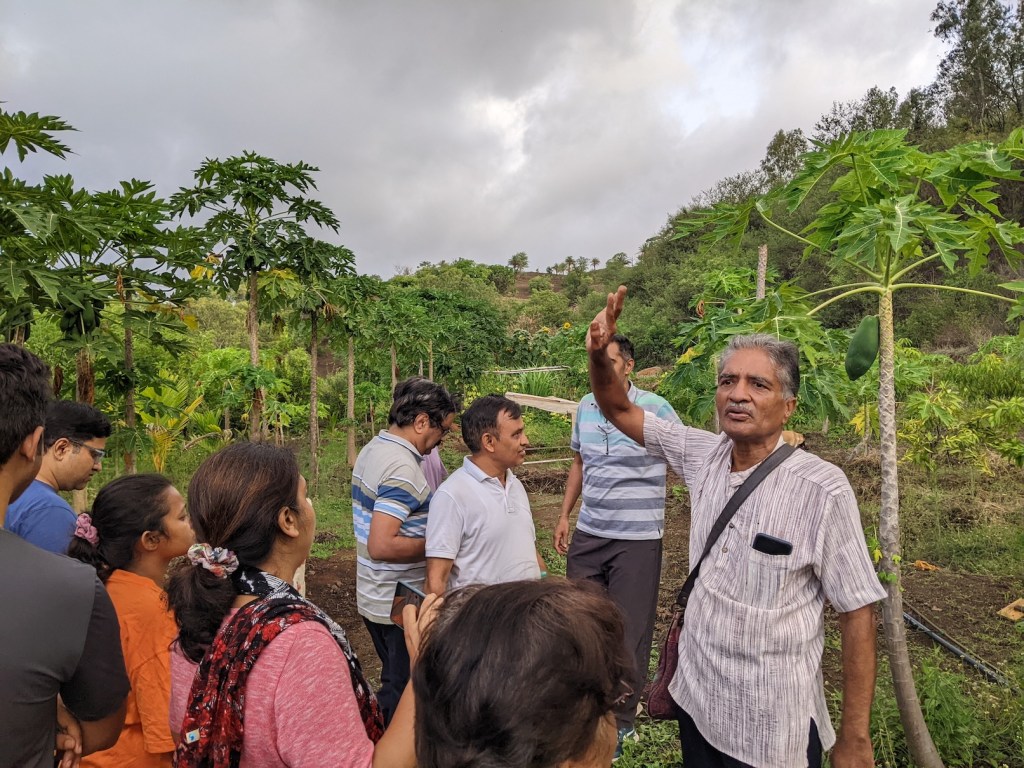
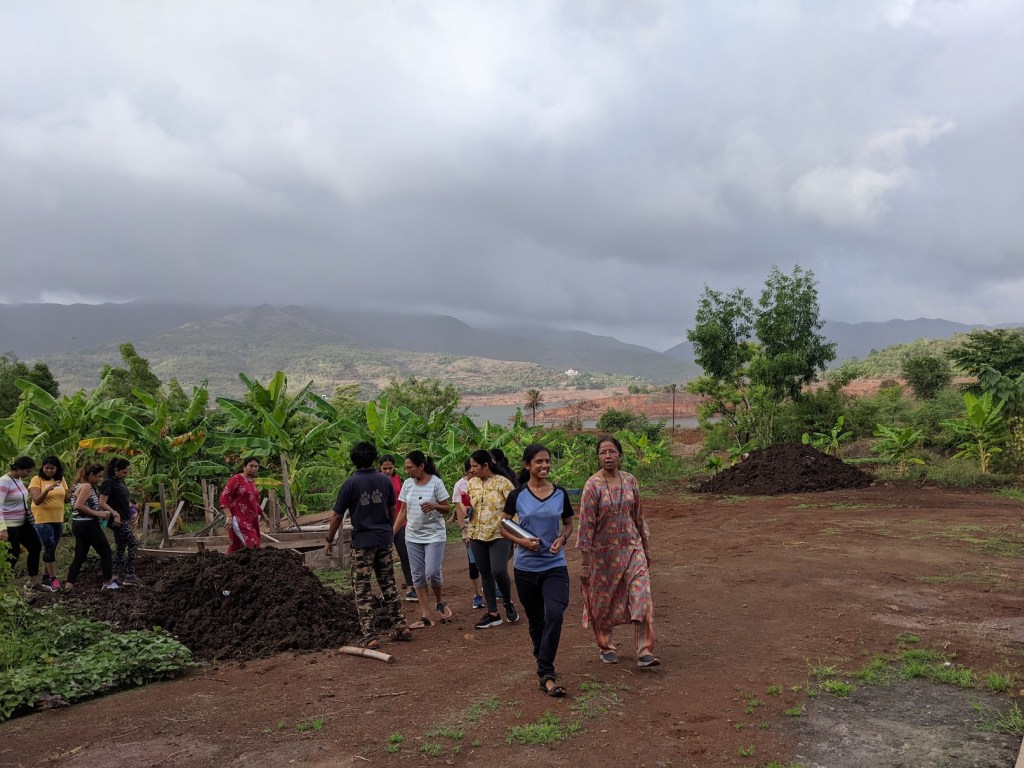
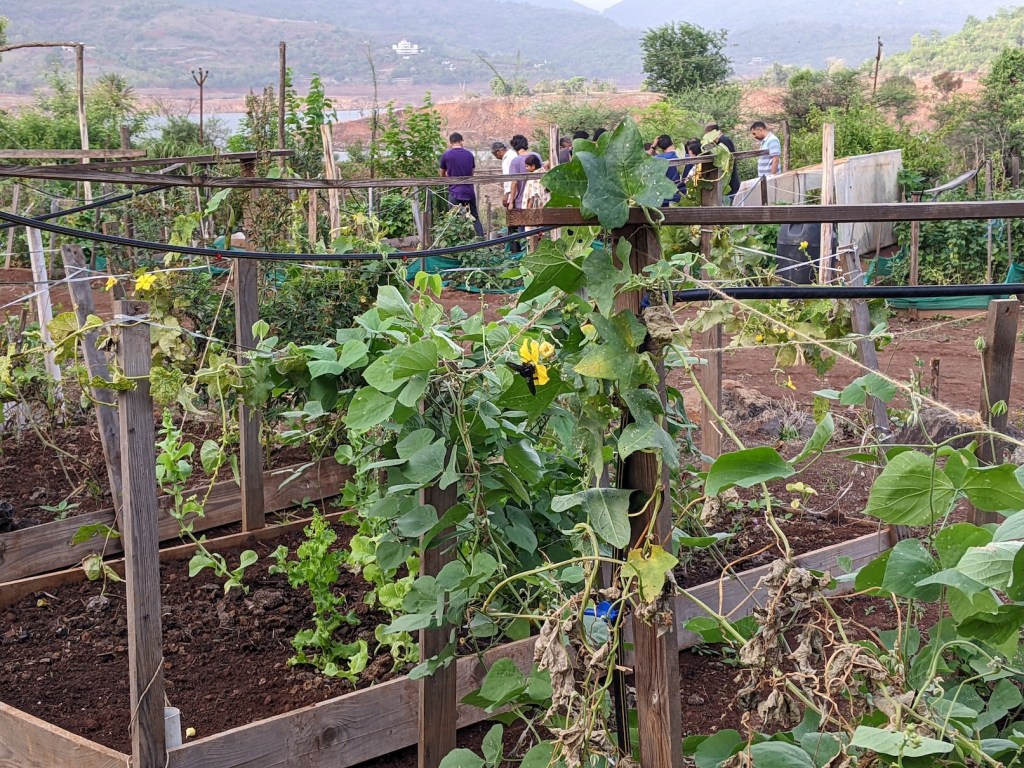
The combination of indoor sessions and outdoor experiences was one of the things that made the programme engaging.
Learning From Dr. Praveen Chordia
The person at the centre of the course was Dr. Praveen Chordia.
What gave the programme credibility for me was his background. He had been an allopathic surgeon with more than 35 years of medical experience before shifting his focus from treating illness with medicines towards natural healing and lifestyle.
There is an enormous amount of health-related information available today. We encounter it through podcasts, YouTube videos, articles and social media posts. However, these sources often leave us with more questions. Many people discussing nutrition and wellness may know one specific area, but they may not have studied the human body and disease from the perspective of someone who has spent decades practising medicine and surgery.
Dr. Chordia brought that depth to the sessions. His son, daughter and son in law also took sessions, but no one could speak with the depth and credibility like he had. The way he spoke, the examples he used and his ability to connect different ideas made the course convincing. Whenever participants raised questions or doubts, he was able to engage with them in detail.
Having three nights together also made a difference. Instead of hearing one isolated talk about food or exercise, we had time to explore different dimensions of health and understand how they were being connected within one broader lifestyle.
The Car Dashboard Analogy
One of the first examples Dr. Chaudharya shared was about a car.
Imagine that you are driving and suddenly notice several warning lights flashing on the dashboard. There are alarms, red indicators and warning sounds. Worried that something is seriously wrong, you take the car to a mechanic.
You assume that the mechanic will require several days to diagnose and repair all the problems. Instead, the mechanic calls you after only an hour and announces that everything has been fixed.
You are surprised and delighted. When you reach the garage, you see that none of the alarms or warning lights is appearing anymore.
You ask the mechanic how he managed to solve everything so quickly.
He replies that he simply cut the wires connecting the warning indicators.
The alarms have disappeared, but the underlying problems with the car have not been repaired. The mechanic has only prevented you from seeing the warnings.
Through this analogy, Dr. Chordia introduced his view that suppressing a symptom is not necessarily the same as addressing what caused it. The example was intended to make us think beyond the immediate disappearance of a symptom and ask what might be happening underneath it.
It was a powerful way to begin the course because it established its central question: instead of responding only after the body begins displaying warning signs, can we understand and improve the lifestyle conditions that influence our health?
The remaining sessions explored this question through food, water, sunlight, exercise, rest, fasting, digestion, antioxidants, the microbiome and our relationship with nature.
Three Days Covering the Foundations of Health
Over the three-night stay, the course covered an unusually wide range of subjects.
We discussed the different components of nutrition, including water, fats, proteins and carbohydrates. We explored the course’s framework of alkaline and acidic foods, the importance of natural fats, the role of fruits and vegetables, and the value of fermented foods, sprouts and microgreens.
There were sessions about sunlight, earthing, exercise, muscle strength, body composition and bone health. We discussed digestion, the microbiome, probiotics, prebiotics and the importance of good bacteria.
The programme also covered fasting, the timing of meals, antioxidants, common health problems and different lifestyle practices. It even went beyond physical health to include relationships, communication and emotional behaviour.
A great deal of information was packed into those three days. This is why I took so many notes—and also why those notes eventually became so difficult to read as a single document. Each page contained fragments from different discussions, written down quickly as the sessions progressed.
What I Wish We Had Learned Earlier
As I sat through the sessions, I kept wondering why we are not taught these aspects of health much earlier in life.
In school, we spend years memorising information such as rainfall figures from distant countries, the dimensions of historic temples and numerous other facts that we may never use again.
Yet we receive very little practical education about food, exercise, sleep, sunlight, digestion, fasting or how our everyday choices may affect our bodies.
These subjects directly influence how we live, how healthy we remain and how we feel every day. I felt that at least the basic principles discussed during the course should be introduced at a very early stage in life.
If children grew up understanding the fundamentals of nutrition and lifestyle, they might be better equipped to make informed decisions about their health as adults.
An Experience I Will Always Remember
The Medicine-Free Life course was much more than a series of lectures for me.
It began with the warmth and generosity of meeting Prithviraj Sir after many years. It included an adventurous journey through hills after taking the wrong route, three nights in a beautiful natural setting, playing in the mud near a dam, walking through farmland and listening to an experienced doctor connect different aspects of health and lifestyle.
At the time I attended, the programme followed a contribute-as-you-wish donation model. It has since become a paid course. Whatever the format, my experience of those three nights remains very close to my heart.
The real challenge, of course, begins after returning home. Learning about a healthier way of living is one thing; incorporating it into everyday life is another.
I hope I will be able to implement many of the things I learned there. Even if I cannot adopt everything at once, the experience gave me a framework I can continue returning to.
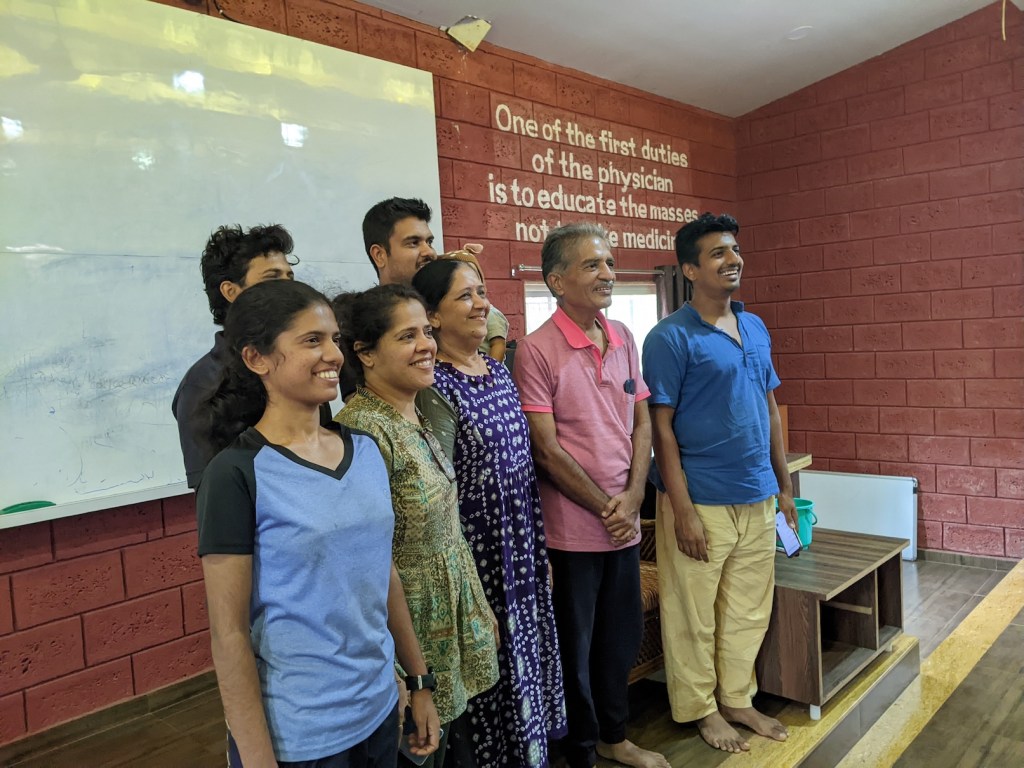
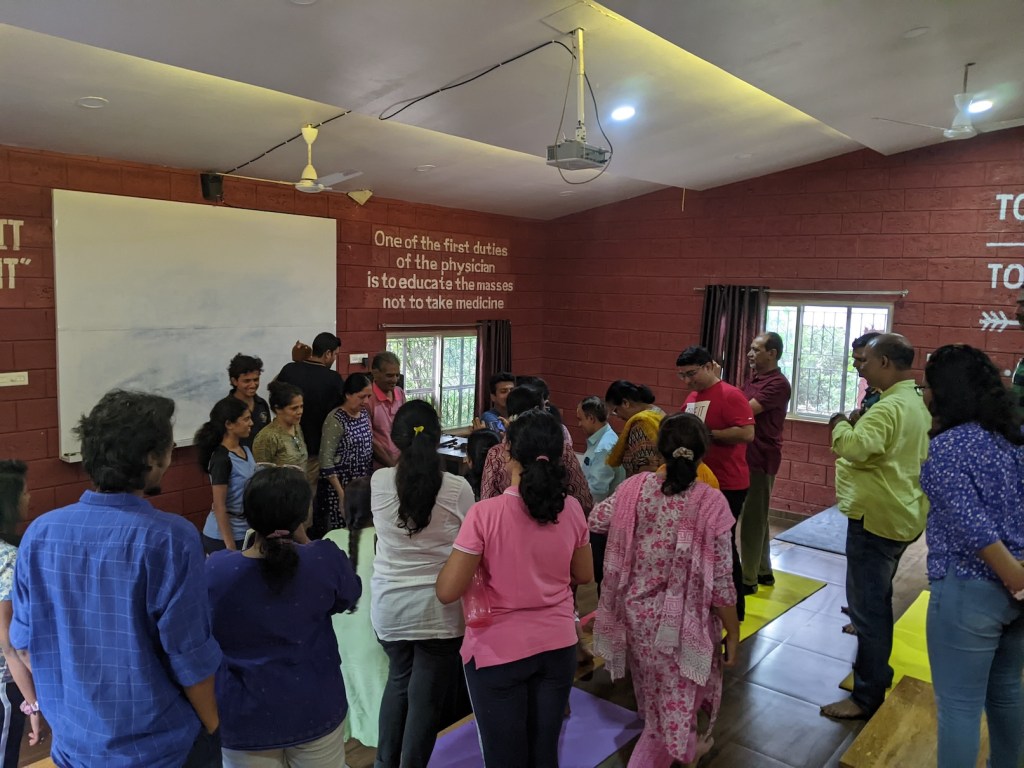
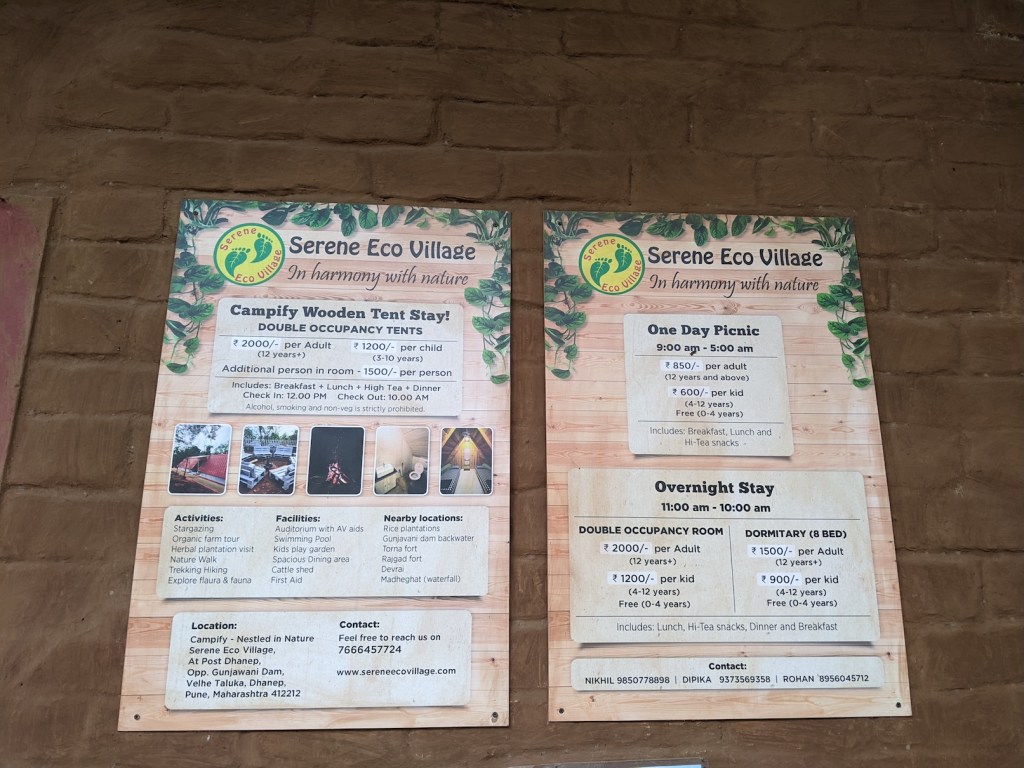
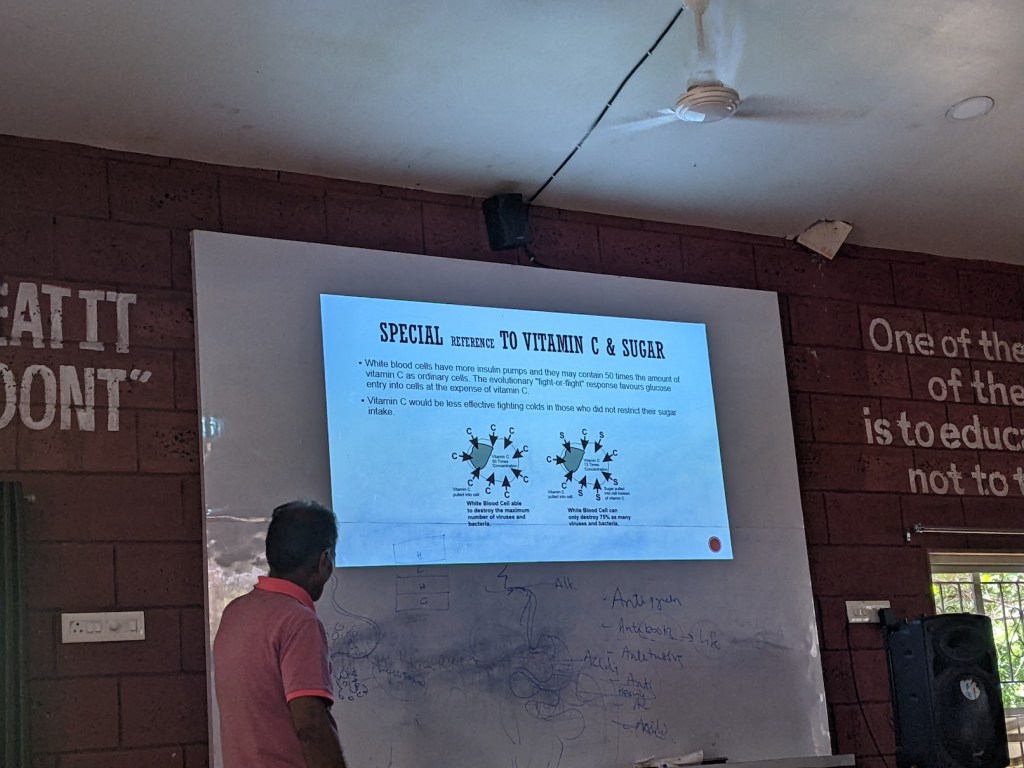
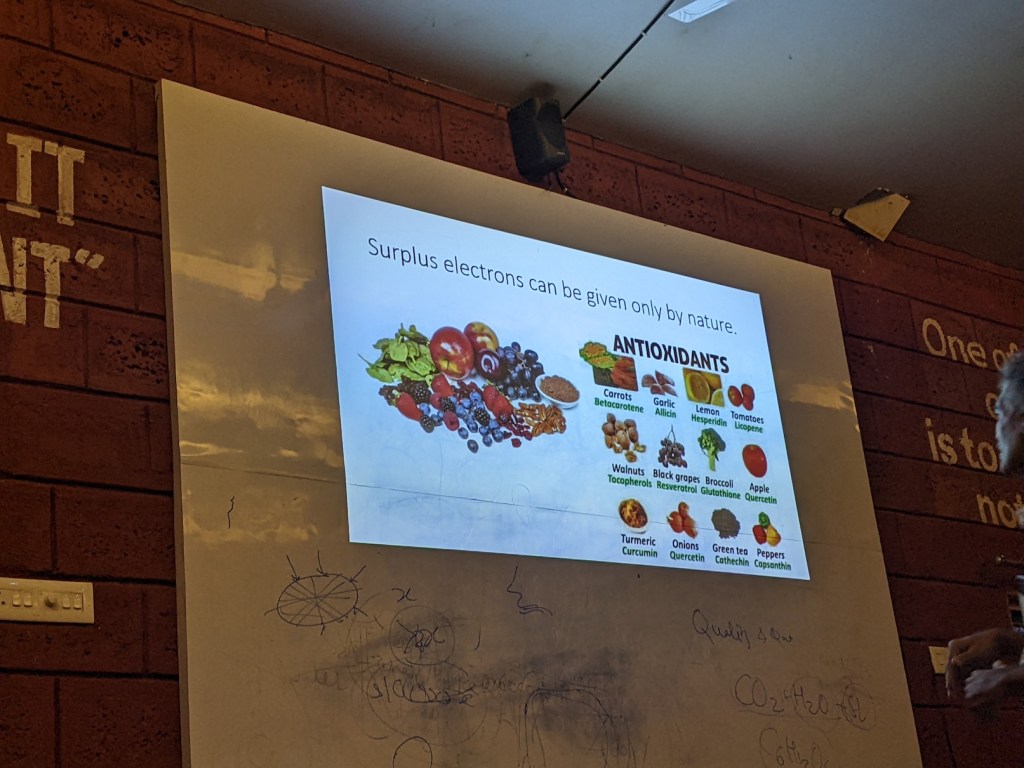
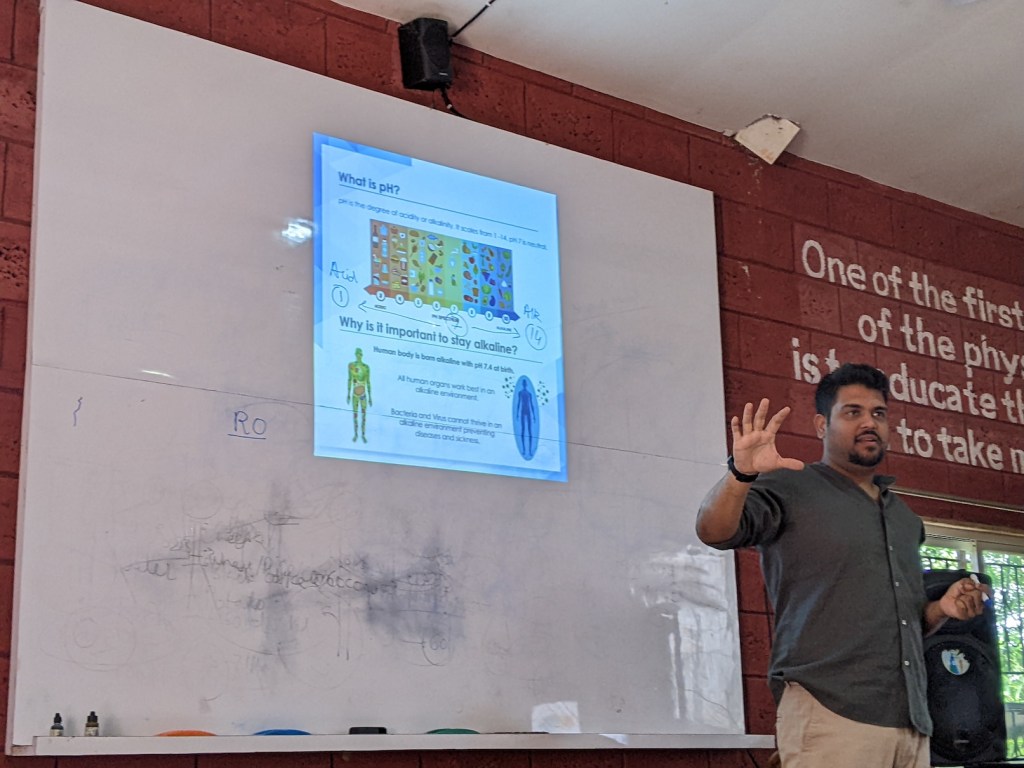
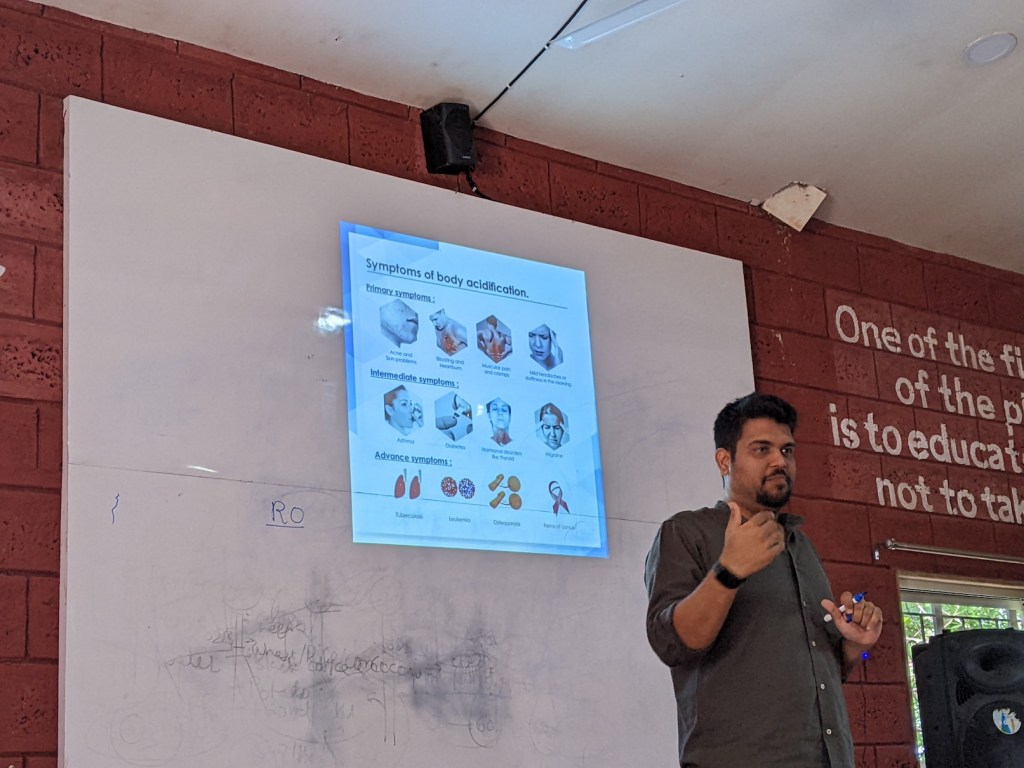
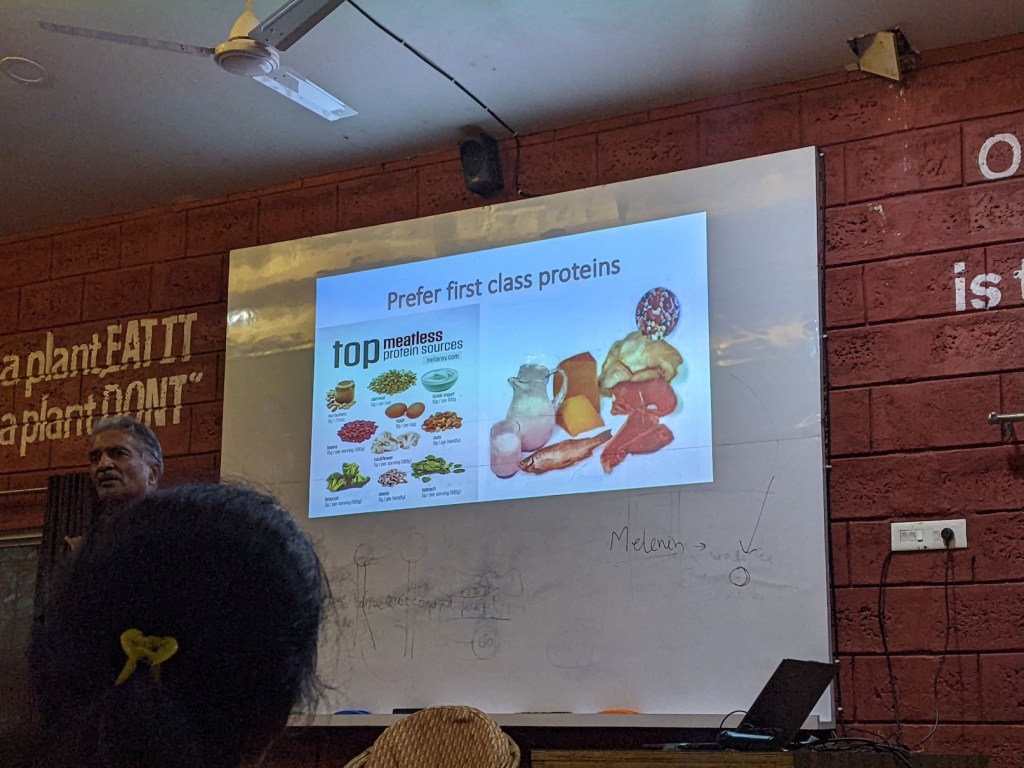
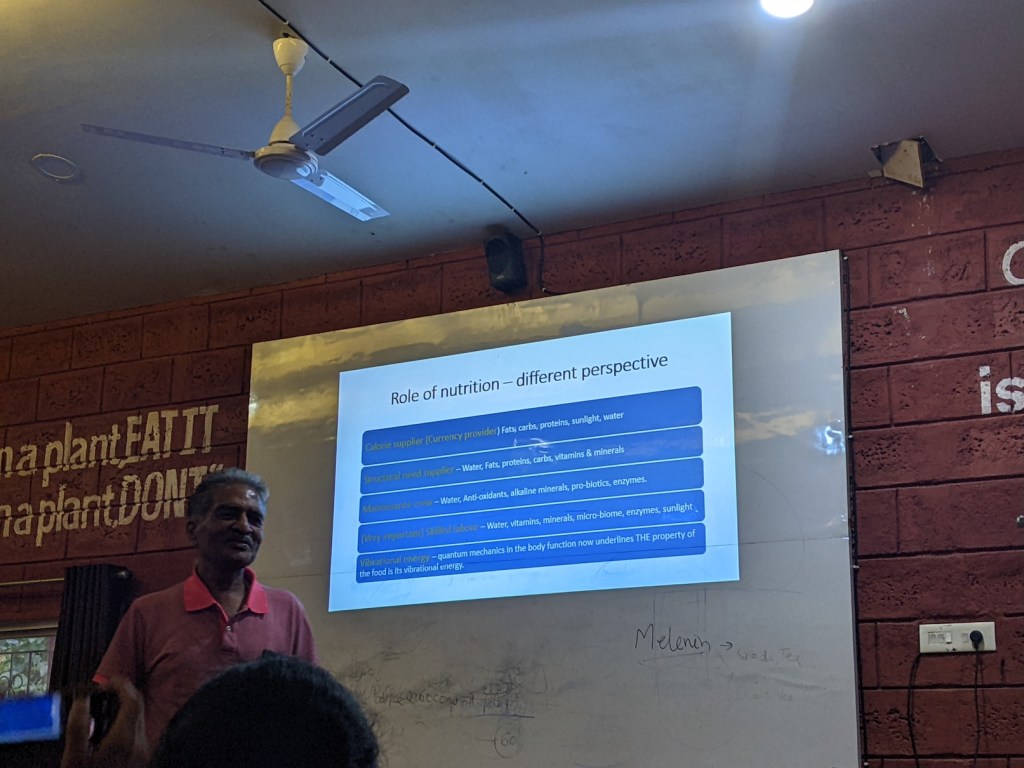
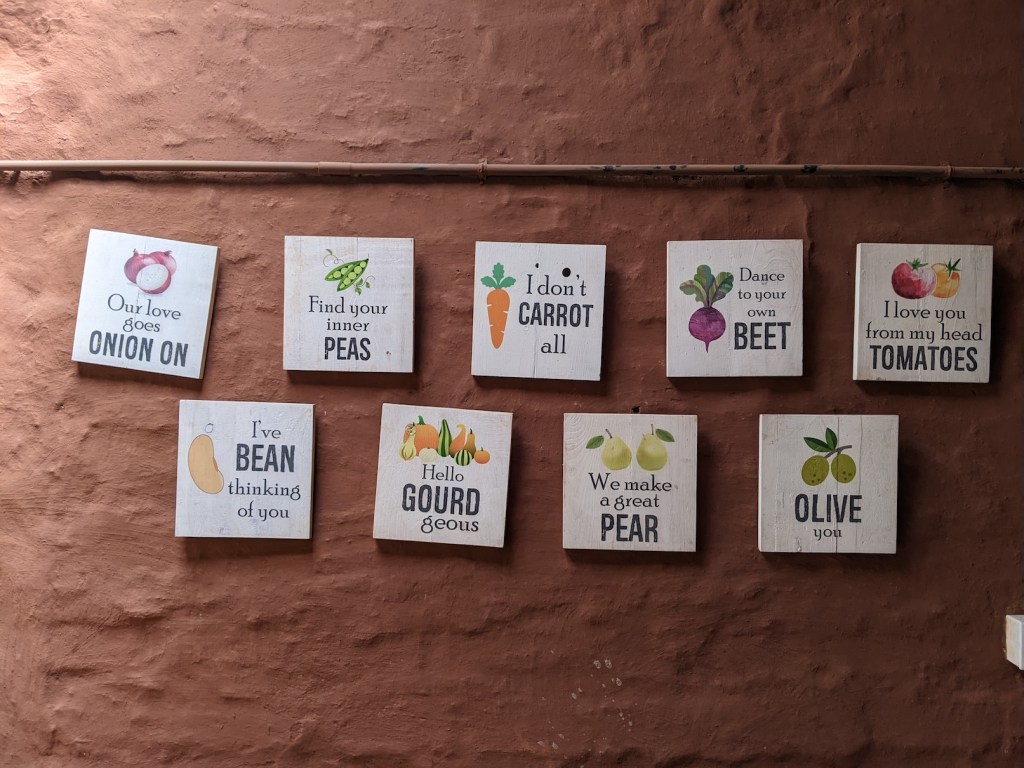
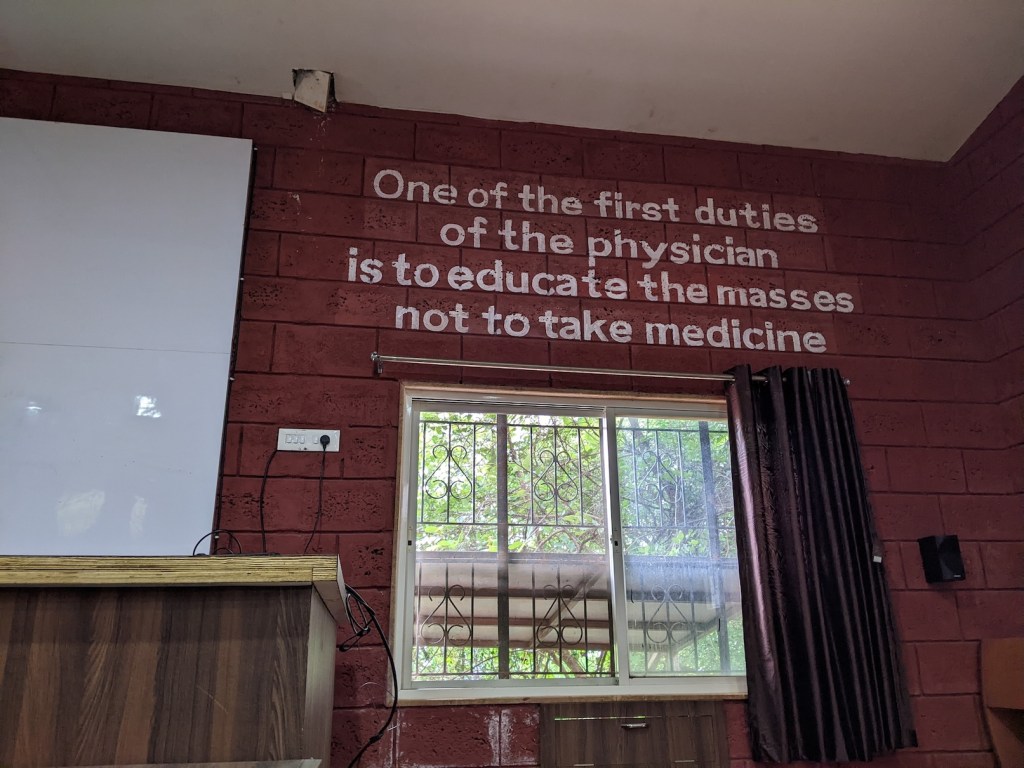
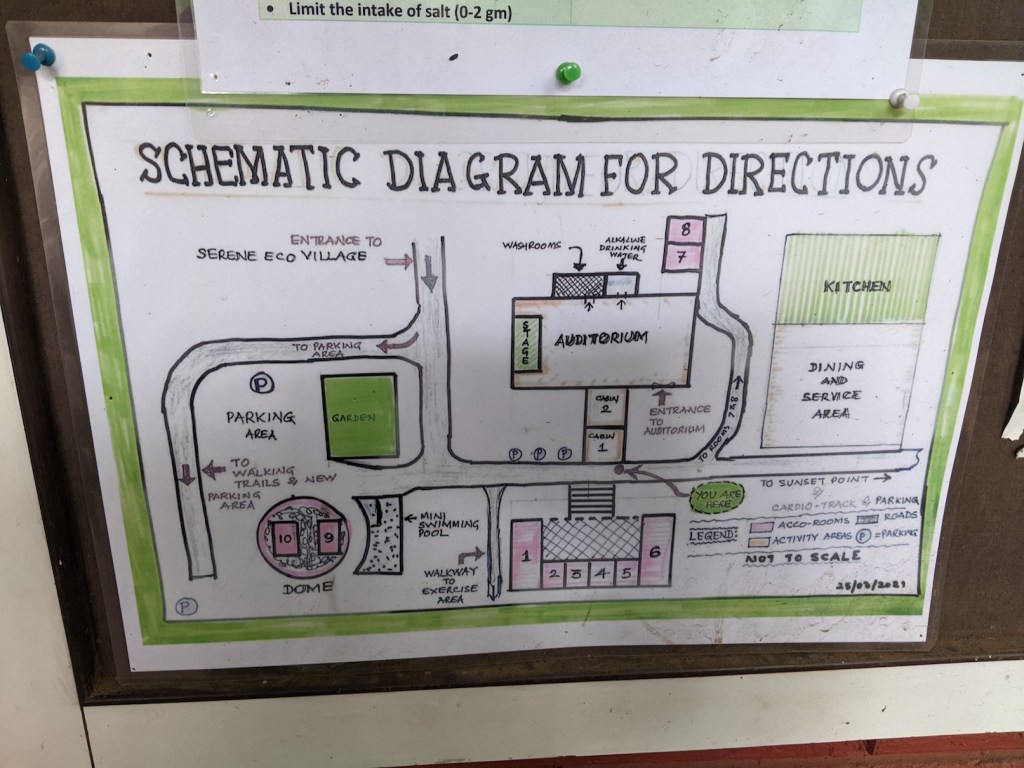
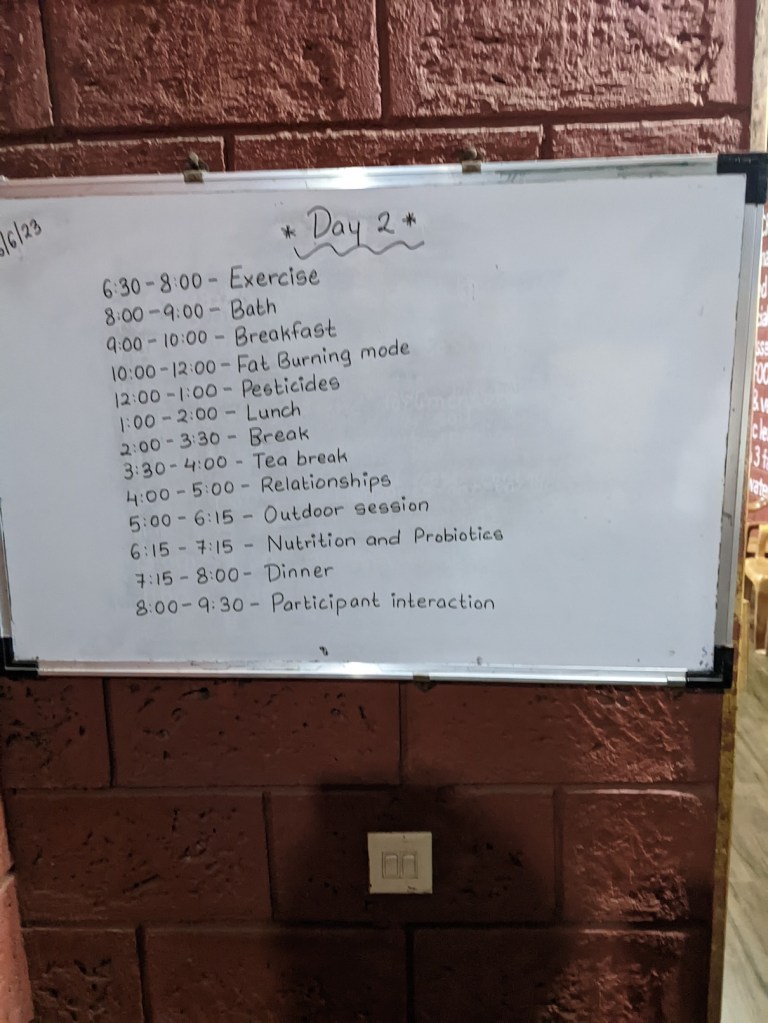
The detailed notes that follow are my record of those teachings—organised so that I can revisit them in the future and remember not only what was discussed, but also the remarkable setting and experience in which I first encountered these ideas.
Notes from the Sessions –
I took extensive handwritten notes during those three days. They covered food, water, exercise, sunlight, fasting, digestion, immunity, natural remedies and even relationships. However, because the notes were written quickly during the sessions, they were scattered across different pages and difficult to revisit.
This blog is my attempt to arrange those points in a more coherent and readable sequence. It is a record of what was discussed during the course, without adding to or independently interpreting the teachings.
The Five Elements of Health
The course began by looking at health through five fundamental elements: earth, fire, water, air and space.
Earth
The recommendation was to spend time walking or running barefoot on natural earth. A treadmill and shoes separate us from direct contact with the ground, whereas walking barefoot provides that connection.
For activities such as weight training, shoes may still be required.
Exercise, particularly strength training, was repeatedly emphasized. The idea was not to focus only on losing weight but to build and preserve muscle.
Fire
Fire was represented by sunlight.
We were encouraged to get some exposure to the sun every day. Sun gazing was discussed specifically during the period up to one hour after sunrise or during the final hour before sunset.
If looking towards the sun caused a headache, the notes suggested that the body might be dehydrated and that alkaline water should be taken.
Sunlight was also connected with bone health. Along with eating calcium-rich foods, we were advised to spend time in sunlight so that the nutrition could support the bones.
Water
Water was one of the most important recurring themes throughout the course.
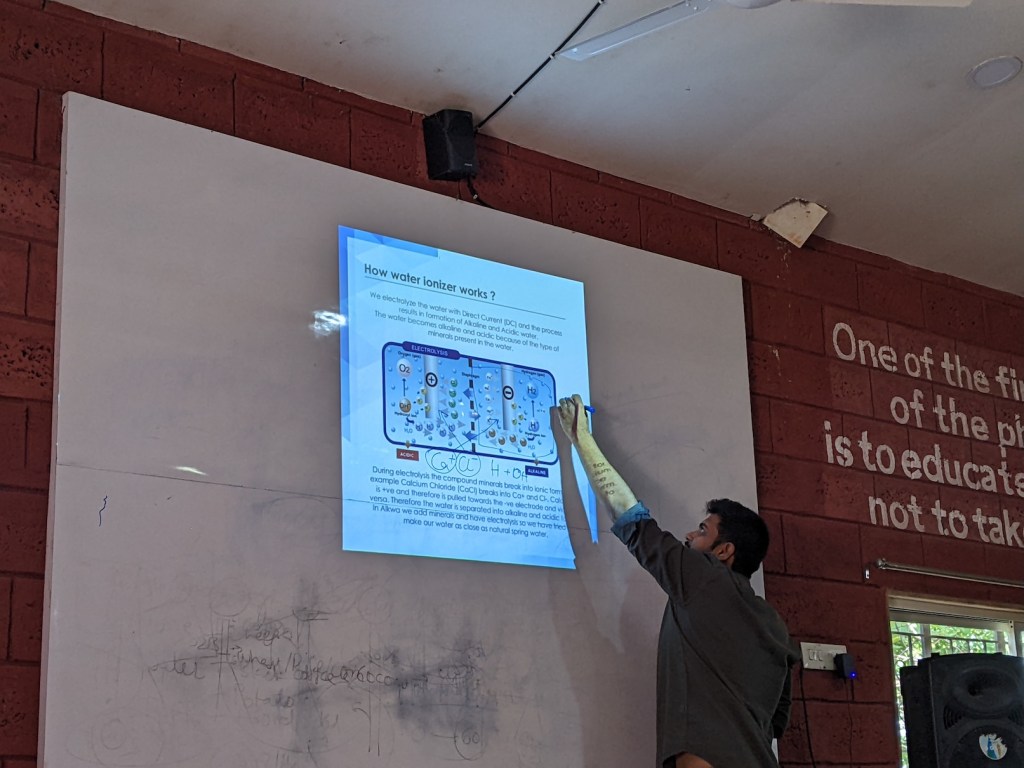
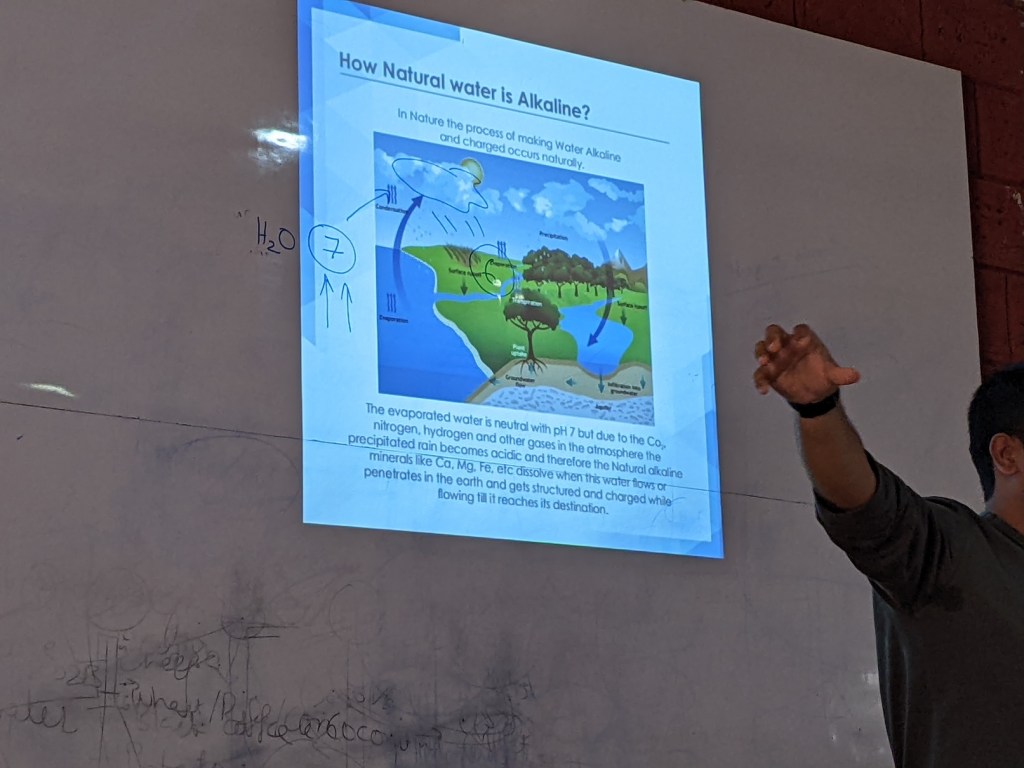
The notes placed particular emphasis on alkaline water and on retaining useful minerals such as calcium, magnesium, potassium and iron. The Total Dissolved Solids, or TDS, of water should be at least 100.
One concern discussed was the effect of municipal water treatment. Chlorine is added to kill bacteria in water, but the course suggested that when we consume this water, it may also affect the beneficial bacteria inside us.
RO water was discussed in a similar context. With fewer fruits and vegetables, more carbohydrates and bakery products, and increased dependence on RO water, our intake of useful minerals may reduce. However, if the TDS of the available water is above 500, the notes say that using an RO purifier becomes necessary.
Alkaline water should be kept in an airtight glass or ceramic container rather than in a metal container. Copper was described as antibacterial.
Air
For air, we practised a simple breathing cycle:
- Breathe in for four counts.
- Hold for four counts.
- Breathe out for four counts.
- Hold for four counts.
Pranayama was included among the daily practices recommended for supporting an alkaline body.
Space
Space completed the set of five elements. Along with air, nutrition, sunlight, water, earthing, exercise and rest, it formed part of the course’s broader framework for health.
A useful mnemonic from the course was ANSWER:
- A: Air and pranayama
- N: Nutrients
- S: Sun
- W: Water
- E: Earthing and exercise
- R: Rest
Nutrition: Health Is Only as Strong as Its Weakest Link
One of the core statements in the course was:
You are only as strong as your weakest link.
Nutrition was presented as a combination of water, fat, protein and carbohydrates. The course emphasized that good-quality nutrition is required to create good-quality cells.
It also made a play on words: a lack of patience can eventually make you a patient.
The recommendation was to eat natural fats and avoid refined fats. Food should be fresh, and a large proportion of it should come from fruits, vegetables, green leaves, seeds and nuts.
The course advised against making calories and carbohydrates the only basis for deciding what to eat. If nutrition is not satisfying, the brain may continue to signal hunger. This is one reason we may end up eating chocolates and other foods even after consuming enough calories.
The suggestion was to change the proportions of familiar meals rather than necessarily abandoning them altogether. If eating pasta, have less pasta and more vegetables. If eating pizza, have less of the pizza base and more vegetables.
While travelling, we were advised not to carry biscuits, cakes and similar foods. Instead, we could carry dry fruits, fruits, carrots and tomatoes.
The Alkaline and Acidic Food Framework
A large part of the course focused on the relationship between alkaline and acidic foods.
Blood pH was noted as approximately 7.4, while the earth’s pH was written as approximately 6.6. The course’s explanation was that the body does not simply “become acidic”; rather, it becomes less alkaline.
The suggested daily proportion was:
- 80–100% alkaline foods and practices
- 0–20% acidic foods
The items and practices placed on the alkaline side included:
- Fasting
- Water
- Fruits
- Vegetables
- Green leafy vegetables
- Rest
- Exercise
- Probiotics
- Buttermilk
- Pranayama
Items placed on the acidic side included:
- Grains
- Sugar
- Bakery products
- Excess salt
- Non-vegetarian food
- Processed food
- Junk food
The course connected sweating with the removal of acid from the body. It also suggested that detoxification takes longer as we grow older.
Building Meals Around Plants
The overall dietary direction was to eat more plant-based food, particularly fruits and vegetables.
The recommended diet included:
- Plenty of fruits and vegetables
- Healthy fats such as ghee, nuts, seeds and oils from seeds
- Fermented foods
- Millets
- Sprouts
There was also a repeated emphasis on raw food. The suggestion was to eat more raw food, such as salads, and reduce the proportion of cooked food.
A possible structure for the day was:
- Morning: Green juice
- Breakfast: Smoothie, salad and fewer carbohydrates
- Lunch: A regular meal structured around vegetables and other recommended foods
Green juice ingredients listed in the notes included:
- Amaranth
- Pudina
- Stevia
- Ajwain leaves
- Betel leaf
- Sugar leaf
- Calcutta paan
- Insulin plant
- Curry leaves
- Mulberry leaves
- Paan patta
- Aloe vera
- Muli leaves
- Brahmi
- Spinach
- Fenugreek or methi
- Basil
- Lettuce
- Asparagus
- Mustard greens
The green juice was described as being for nutrition and antioxidants. The notes mentioned a quantity of around 150–200 ml, strained so that fibre was not being consumed in that form, and taken in the morning on an empty stomach.
A smoothie could be made using water, a green such as amaranth that is not very bitter, fruit and lemon. Lemon was considered compulsory. Cold-pressed oil could also be added.
For children, the suggestion was to add milk and cocoa powder to make the smoothie tastier.
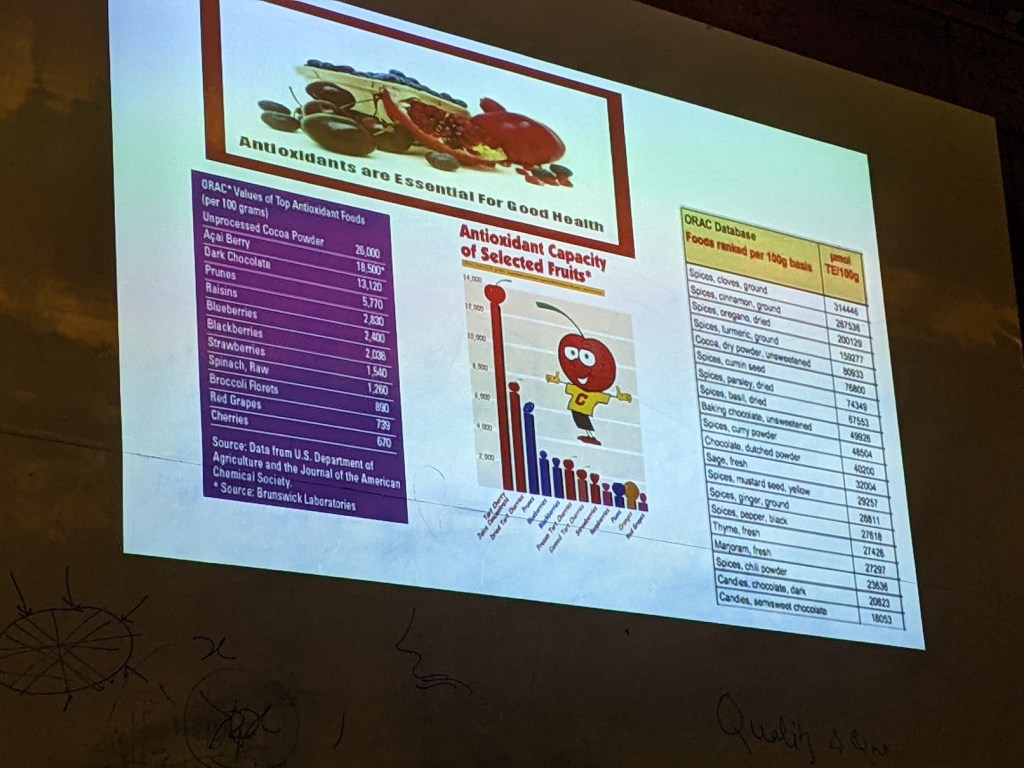
Antioxidants and Anti-Ageing
Ageing was described as a form of rusting or oxidation within the body. Antioxidants were therefore presented as supporting the body’s anti-ageing processes.
The notes described antioxidants as electron donors.
Suggested antioxidant sources included:
- Microgreens
- Green leafy vegetables
- Berries
- Seeds and nuts
- Alkaline water
- Sunlight
- Fasting
The course also connected darker-coloured foods with higher antioxidant content. Foods listed in this context included:
- Unprocessed cocoa powder
- Acai berries
- Dark chocolate
- Prunes
- Raisins
- Blueberries
- Blackberries
- Strawberries
The notes suggested consuming food before it oxidises or turns black.
Another practical recommendation was to carry food in airtight containers and apply a dressing of curd or oil where appropriate, as oxidation cannot happen without exposure to air.
For flatbreads, seeds could be soaked in water before use. This would soften them and help make their nutrients more readily available.
Fat, Sugar and Body Composition
The course distinguished between good and bad fats.
Good fat was described as natural. Bad fat was associated with processed food and was described as something that can remain stored in the body because the body does not recognise it properly.
For reducing cholesterol, the three areas highlighted were:
- Alkalinity
- Antioxidants
- Cardio exercise
The notes also stated that fat is a better fuel than sugar.
Simple carbohydrates, in any form, were equated with sugar. The explanation given was that insulin helps prevent glucose from becoming too high in the blood. When sugar is available in excess, the body converts and stores it as fat. Therefore, the more sugar we consume, the more fat we may store.
A diet with less sugar and more fat was said to encourage a reduction in overall body weight and a decrease in inflammation.
Healthy fats mentioned in the notes included ghee, nuts, seeds, seed oils, coconut oil and mixed-seed oil. The suggestion was to include good fats during breakfast, lunch and dinner while listening to the body’s needs.
The course also encouraged looking beyond total body weight and paying attention to body composition.
An example in the notes compared a 50-kilogram body at different ages:
| Age | Bone | Muscle | Fat |
|---|---|---|---|
| Around 20 years | 20 kg | 20 kg | 10 kg |
| Around 50 years | 15 kg | 15 kg | 20 kg |
The total weight remains the same, but muscle and bone may reduce while fat increases.
The recommendation was therefore to focus on improving bone and muscle. As these improve, fat may reduce automatically. Weight training was specifically recommended for building muscle.
Bone Health
The explanation given during the course was that when we consume acidic food, the body attempts to bring itself back towards a pH of 7.4. For this, it may borrow calcium from the bones because calcium is one of the minerals that can be stored in the body.
The advice for bone health was to eat calcium-rich food and get sufficient sunlight.
Fasting and the Eating Window
Fasting was an important part of the programme.
Recommended is an eating window of between eight hours to 10 hours, with sixteen hours to 14 hours of fasting, along with intermittent fasting.
Before beginning a fast, the suggestion was to reduce one’s addiction to sugar.
Fasting was also connected with an increase in growth hormone and described as supporting natural neurotrophic hormones.
The larger dietary pattern recommended alongside fasting included:
- Plants, fruits and vegetables
- Healthy fats
- Fermented foods
- Millets
- Sprouts
Sunlight exposure and sleeping in darkness were also included as part of this overall lifestyle.
Digestion, the Microbiome and Good Bacteria
The microbiome was another important area discussed during the course.
Probiotic foods such as buttermilk, kombucha and other fermented foods were described as good friends of the microbiome.
Prebiotics were described as the base that helps good bacteria grow. Examples mentioned included foods such as idli batter and kadhi.
For the maintenance of the body, the notes placed particular importance on:
- Water
- Antioxidants
The course also discussed constipation and loose motion.
Constipation, according to the notes, should not happen when there is sufficient water and high-fibre food.
For loose motion, bad bacteria were described as the main reason. The advice was not to stop the motion immediately, because the body may be trying to expel the bad bacteria. At the same time, the amount of good bacteria should be increased through probiotics such as buttermilk, kombucha and other fermented foods.
Activated charcoal, available in powdered form, was also mentioned in the context of digestive problems.
Stamina, Energy and Recovery
The course linked antioxidants with increased energy within the body.
It also emphasized that the human body has muscle memory. A person who exercises consistently develops the habit of recovery, and the muscles learn how to repair themselves. This is why someone who exercises regularly may recover from physical problems more quickly.
The idea was that the body remembers how to heal because repair has become a regular habit.
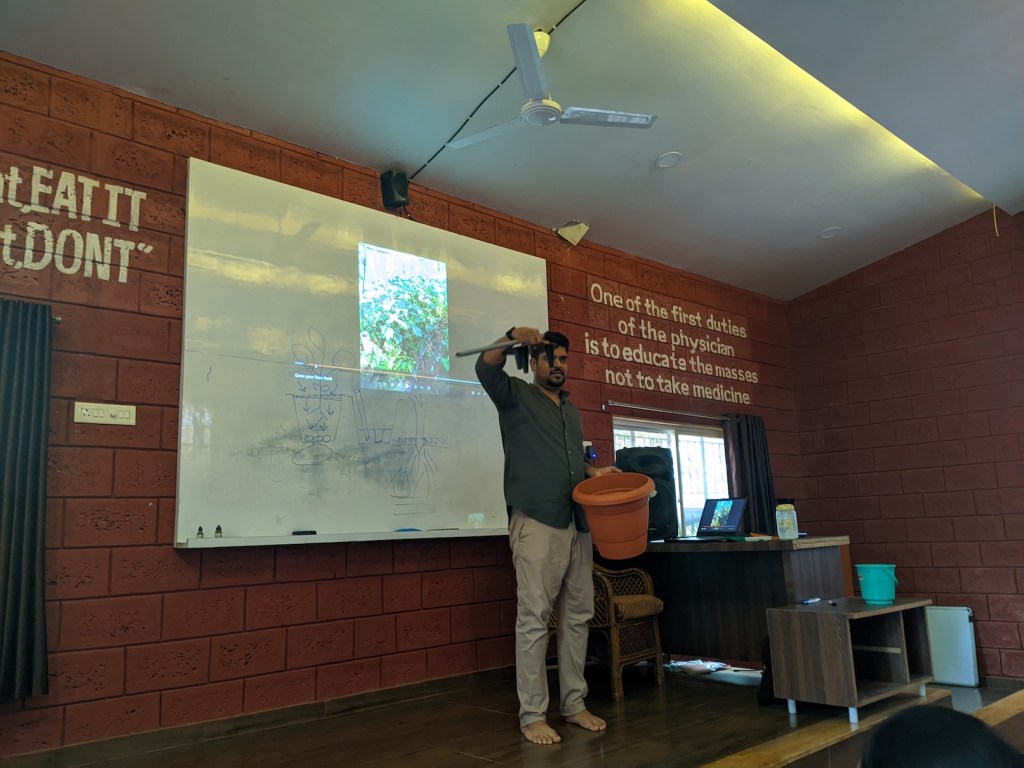
Growing Microgreens at Home
The programme also included practical instructions for growing microgreens.
A south-facing area was suggested as the best location because it provides space and light for growth.
A growing tray with pores at the bottom could be used. The growing medium described in the notes consisted of approximately:
- 45% soil
- 45–50% compost
- 2–3% neem cake
- 2–3% ash
Methi, flax seeds and rai were mentioned as possible seeds for microgreens.
The notes indicated that watering might be required approximately once every five days.
A general observation was that larger seeds contain more stored nutrition.
Natural Responses to Common Health Problems
The course suggested a set of responses for common illnesses and discomforts.
Fever
The notes listed the following:
- Plenty of water
- Rest
- Vitamin C
- Chyawanprash
- Papaya leaf or giloy leaf
- Kadha three times
- Bitter foods
The explanation given was that a high temperature during fever increases the speed of chemical reactions and reduces the chances of bacteria or viruses surviving.
Stomach Problems
The suggested responses included:
- Aloe vera gel
- Activated biocharcoal
- Plenty of water
- Rest
- Fasting
- Probiotic and prebiotic foods
Pain
The notes suggested:
- Rest
- Massage oil, if possible
- Nirgundi leaves
- Acupressure
Pain was also connected with stagnation in the joints or other areas.
Cough
The suggestions included:
- Kadha
- Warm water
- Steam with eucalyptus
- Vitamin C
- Shivambu
Creating a Medical Diary
One of the more practical recommendations was to maintain a medical diary with two columns:
- What I am eating
- What I am exercising
By maintaining this record over time, it may become easier to observe when one needs to eat less, exercise more or make another adjustment.
The larger message was to listen to the body instead of following every rule mechanically.
Soil and Pesticides
The notes also touched upon soil quality.
Soil quality was linked with its carbon content. A carbon content of approximately 0.5 to 1.5 was noted as unsuitable.
This was discussed in the broader context of pesticides and the quality of the food being grown.
Relationships and the God’s Freedom Technique
The course did not focus only on physical health. It also included a session on relationships, referred to in the notes as the God’s Freedom Technique, or GFT workshop.
Relationships were explained through three connected levels:
- Knowing: The mind
- Feeling: The heart
- Doing: The body and action
One of the ideas discussed was that every behaviour may begin with a positive intention, but it can still emerge as negative behaviour.
The course then outlined what the notes describe as the art of managing deep and detailed conversations:
- Deep listening
- Authentic speaking
- Questioning with wonder
- Silence and pauses
- Feeling the feeling
- Appreciation from the heart
- Helicoptering—or stepping back to see the situation from above
A spiritual practice was also recorded in the notes:
Aham Bhagavati Bhagavata Namah
“Aham” was associated with inhaling and “Bhagavati” with exhaling. The instruction was to repeat it 21 times, once a day, while sitting.
The notes also referred to burning fasting incense for 30 days, not doing it in a public place or in a room containing a deity, and doing it on a balcony if the deity was mostly kept inside the home.
The Overall Framework I Brought Back
Although the notes covered many different topics, the overall framework was fairly consistent.
The body was to be supported through:
- Air and pranayama
- Good nutrition
- Sunlight
- Suitable water
- Earthing
- Exercise
- Rest
- Natural fats
- Fruits and vegetables
- Antioxidants
- Prebiotics
- Probiotics
- Fasting
- Attention to relationships and emotional behaviour
The course encouraged reducing processed food, refined oil, excessive sugar, bakery products and junk food. It placed more emphasis on fresh, natural and plant-based foods; good fats; muscle-building exercise; sunlight; adequate rest; fermented food; and careful observation of the body.
For me, the value of putting these notes together is not that every idea must be remembered or followed at once. It is that I now have a readable record of what was covered during those three nights at Serene Eco Village—something I can return to whenever I want to revisit the course and the different points that were discussed.


Leave a Reply