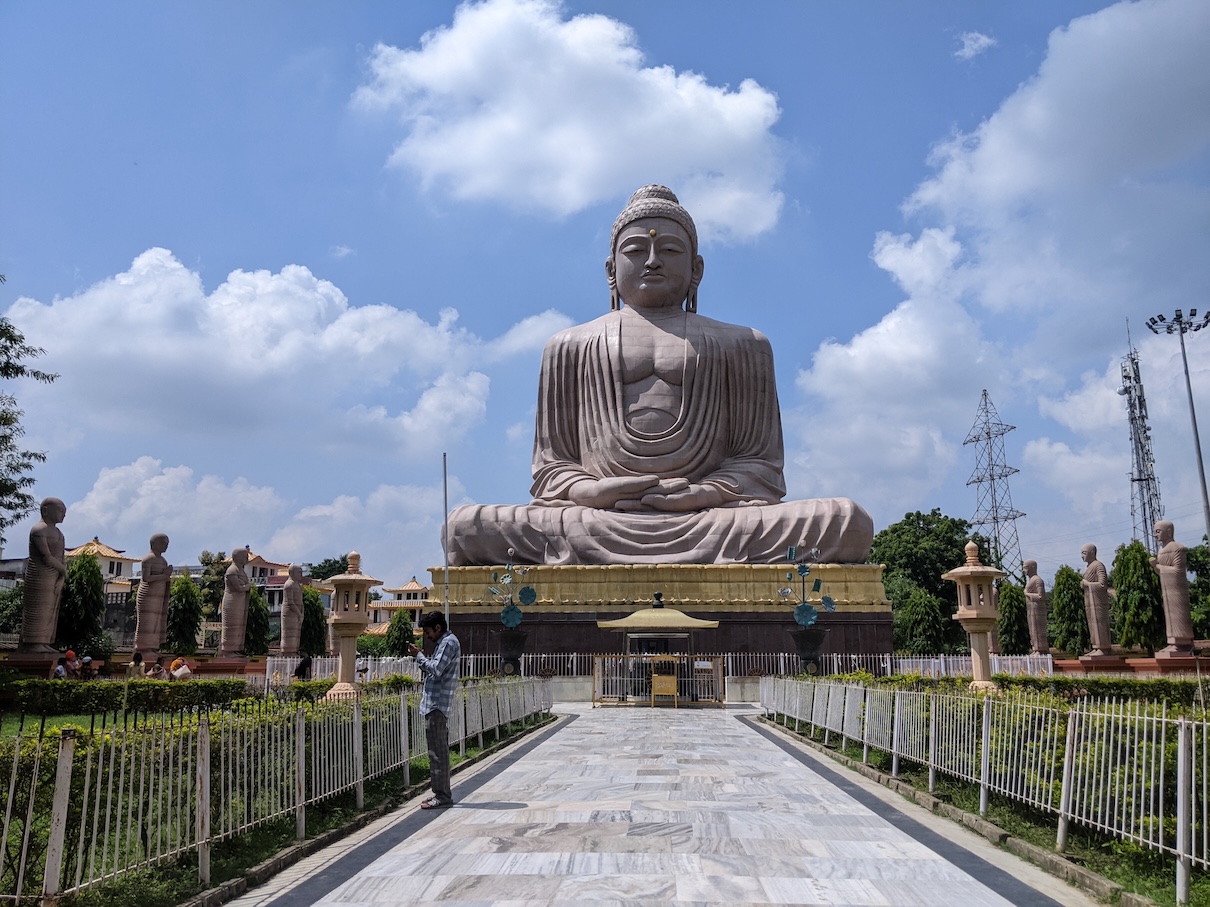
Bodh Gaya is best known as the place where Gautama Buddha attained enlightenment, under the Bodhi Tree. At the heart of the town stands the Mahabodhi Temple, and within its premises, the revered Bodhi Tree. Even today, this remains the spiritual core of Bodh Gaya.
What makes the experience even richer is how Buddhist nations from across the world have built their own monasteries around the Mahabodhi Temple. Tibet, Thailand, Bhutan, China, Japan, Sri Lanka, Myanmar—each monastery reflects its country’s unique architectural and spiritual style. The entire area falls within a walkable radius of about 1–2 kilometres, making it perfect for slow exploration on foot.
Reaching Bodh Gaya
We arrived in Bodh Gaya from Varanasi, taking the Vande Bharat Express to Gaya. We reached Gaya around 8–8:30 in the evening. From there, Bodh Gaya is roughly 15 km away, and we took an auto to get there.
Where We Stayed
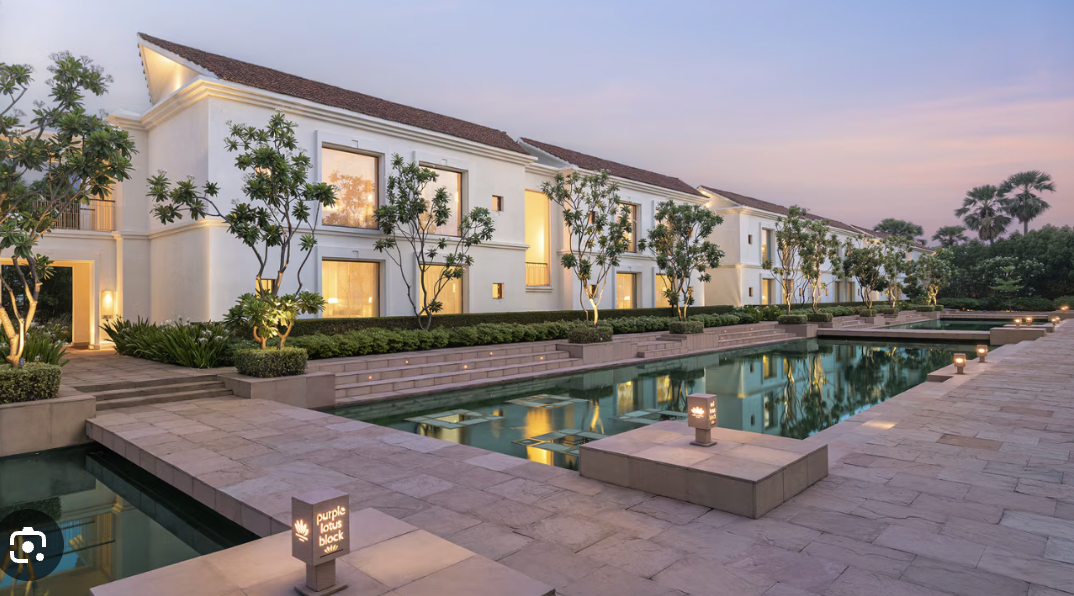
We stayed at Marasa Sarovar Premiere, a comfortable 5-star property located about 3 km from the main temple area.
The hotel itself was very good—spacious rooms, calm interiors, and a relaxing environment. However, the immediate surroundings weren’t great. The hotel sits slightly inside from the main road (around 100m walk) and the approach road is very poorly maintained, flanked by small village huts. That approach was probably the only downside. Once inside, though, the stay was quite pleasant.
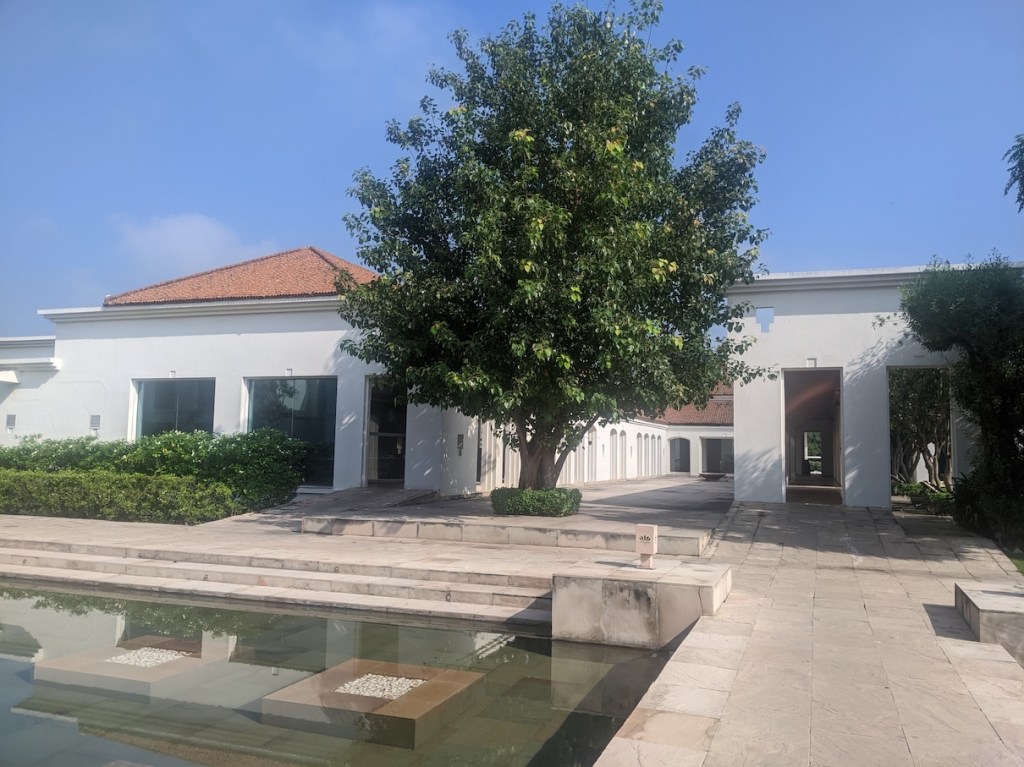
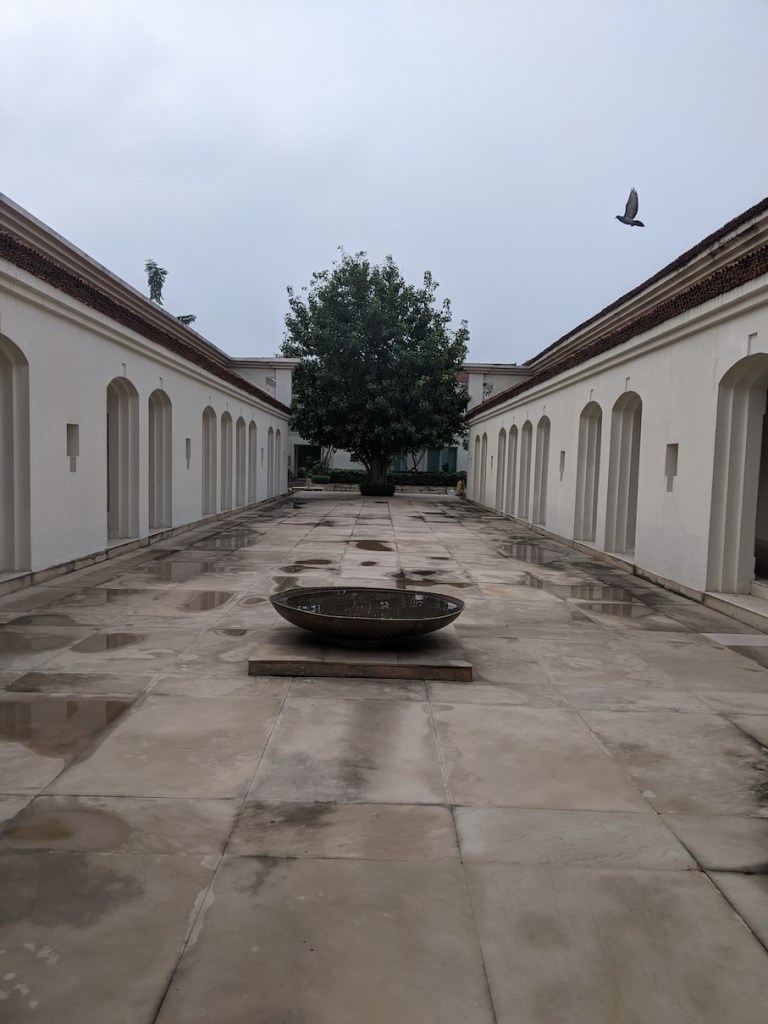
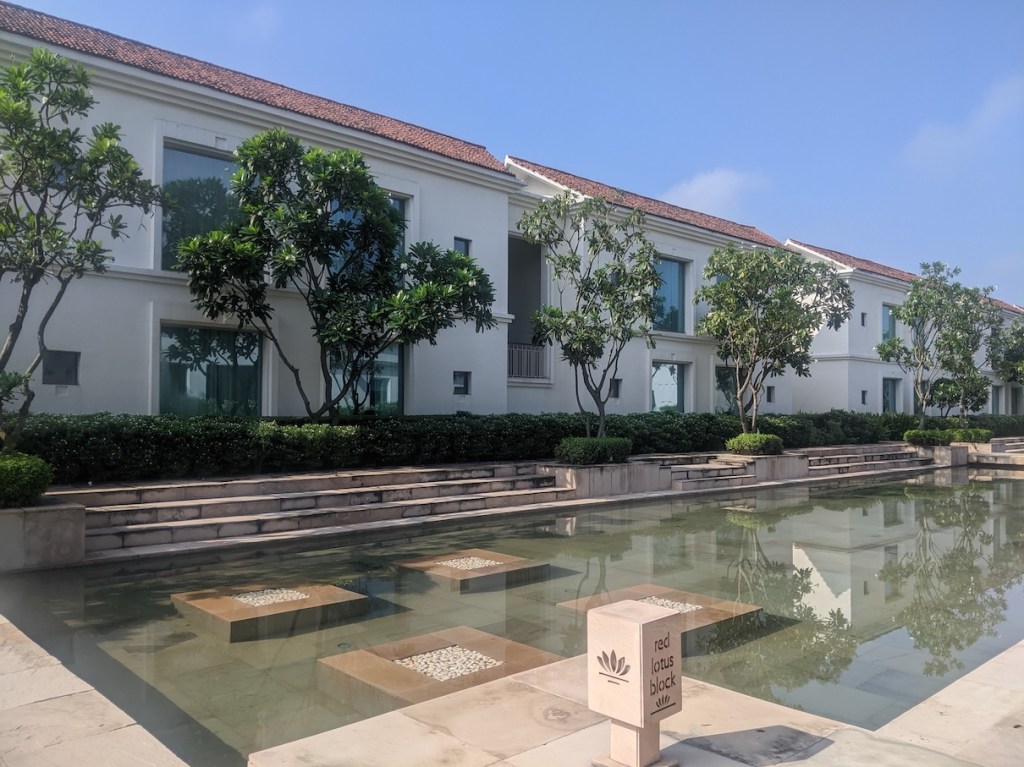
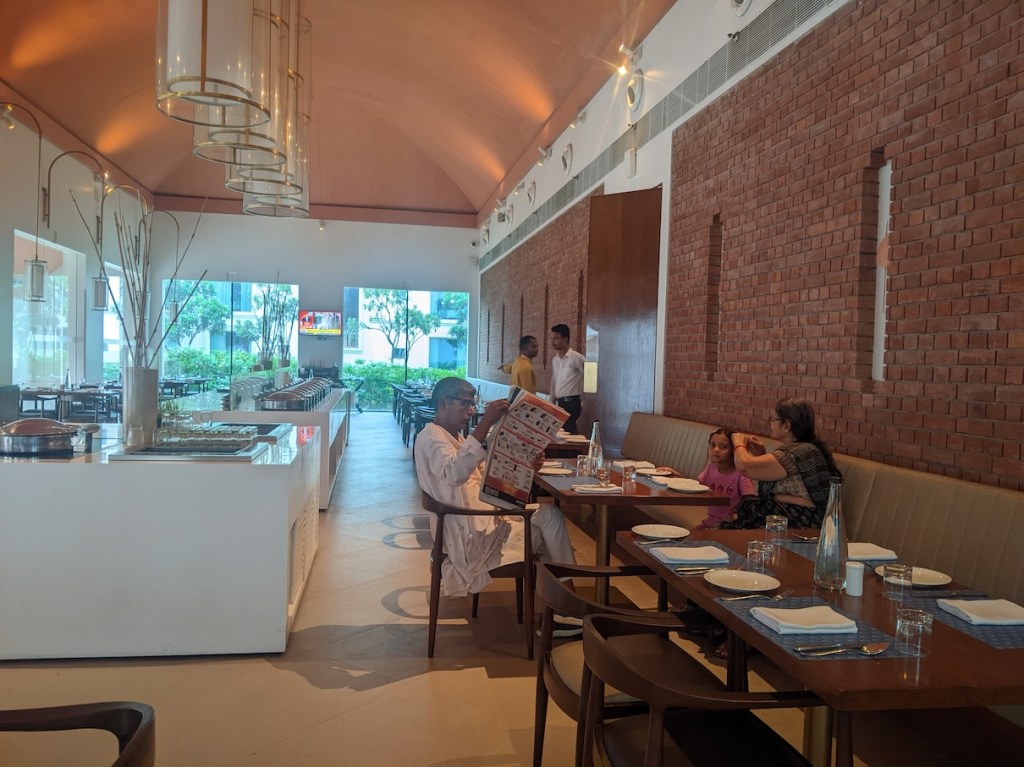
We mainly eat food here itself, though the food was quite costly here, given that this was Bodh Gaya. But again, it was a 5 star hotel, so can’t expect food to be quite cheap too. We ordered food one day from Siam Thai Restaurant, a Thai restaurant (as obvious from the name), near Bodhi Temple. The was was very good. You must try this place, if you are in Bodh Gaya.
Nalanda & Rajgir Day Trip
From Bodh Gaya, we took a day trip to Nalanda and Rajgir—both historically rich places closely tied to Buddhism and ancient Indian learning. It made for a long but rewarding day. The cabs from the hotel was quite costly, so we booked from a local travel agency – A1 Travels – and their services were quite good.
Mahabodhi Temple
In Bodh Gaya, we first went to the Mahabodhi Temple in the morning. Even though it was October, the heat was quite high. Inside the temple complex, mobile phones and cameras are not allowed, so we had to deposit everything outside. While you won’t find photos from inside our visit, there are plenty available online.
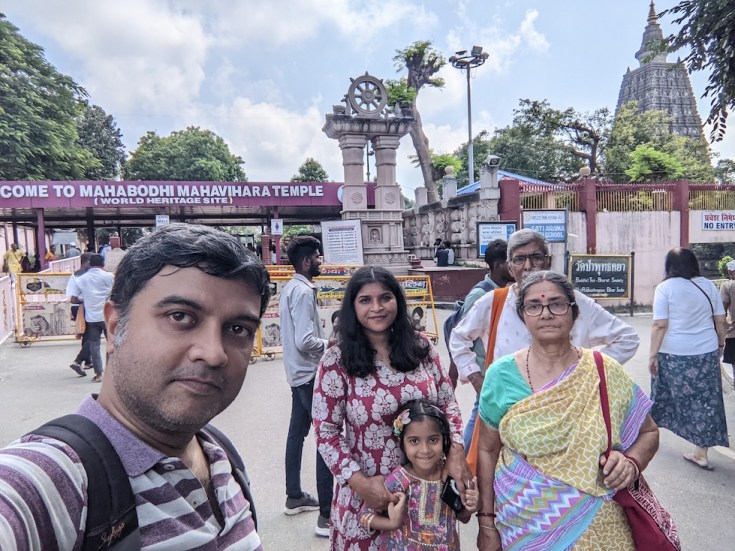
The atmosphere around the Bodhi Tree is deeply peaceful. Buddhist devotees from across the world sit quietly under the tree—meditating, chanting, or simply being present. It’s one of those rare places where silence feels full. I spent some time meditating there as well, which felt incredibly grounding. It was really nice to see my daughter also sitting quietly, which was very uncommon for my 7 year old.
Inside the temple, there’s a large Buddha statue in front of which I also sat and meditated for a while. Coincidentally, there was a Buddhist monks’ convention happening during our visit. Monks were delivering discourses in what sounded like a Southeast Asian language—possibly Thai or Mandarin. Even though we couldn’t understand the words, just being there was enriching.
Monasteries & the Great Buddha Statue
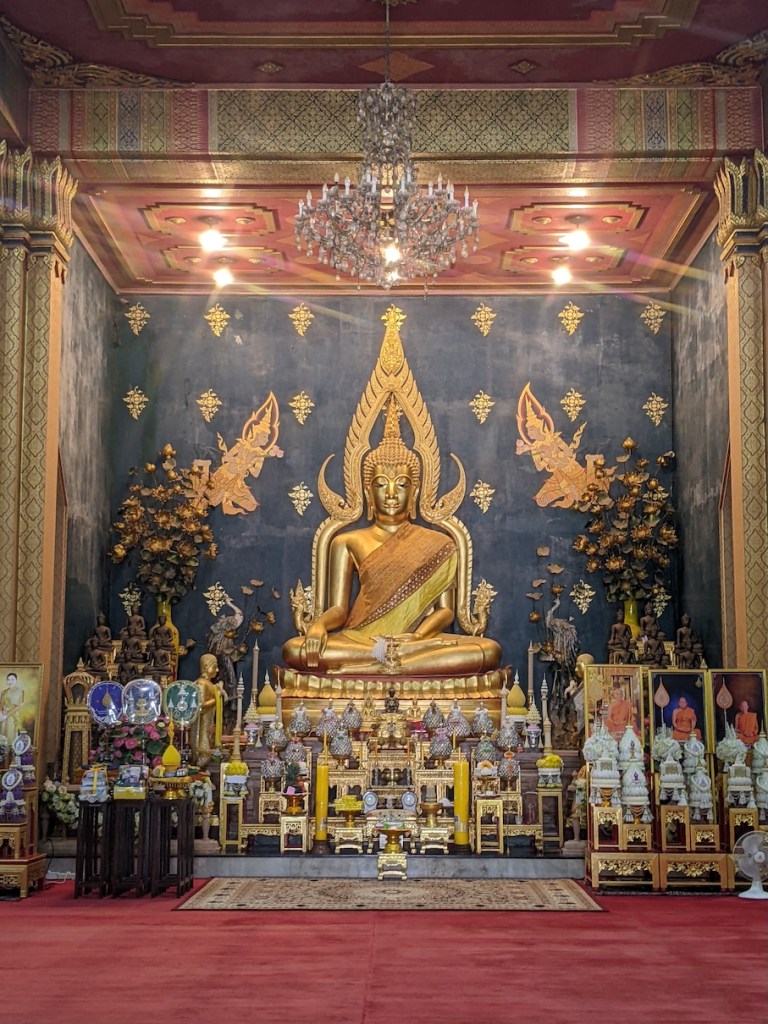
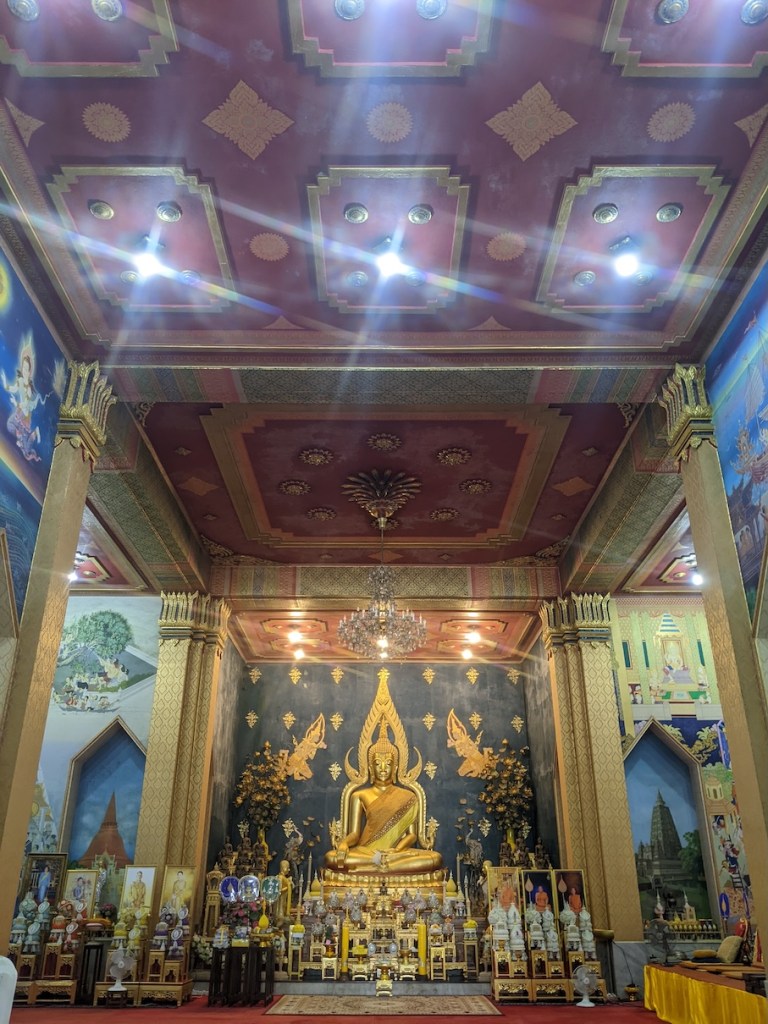
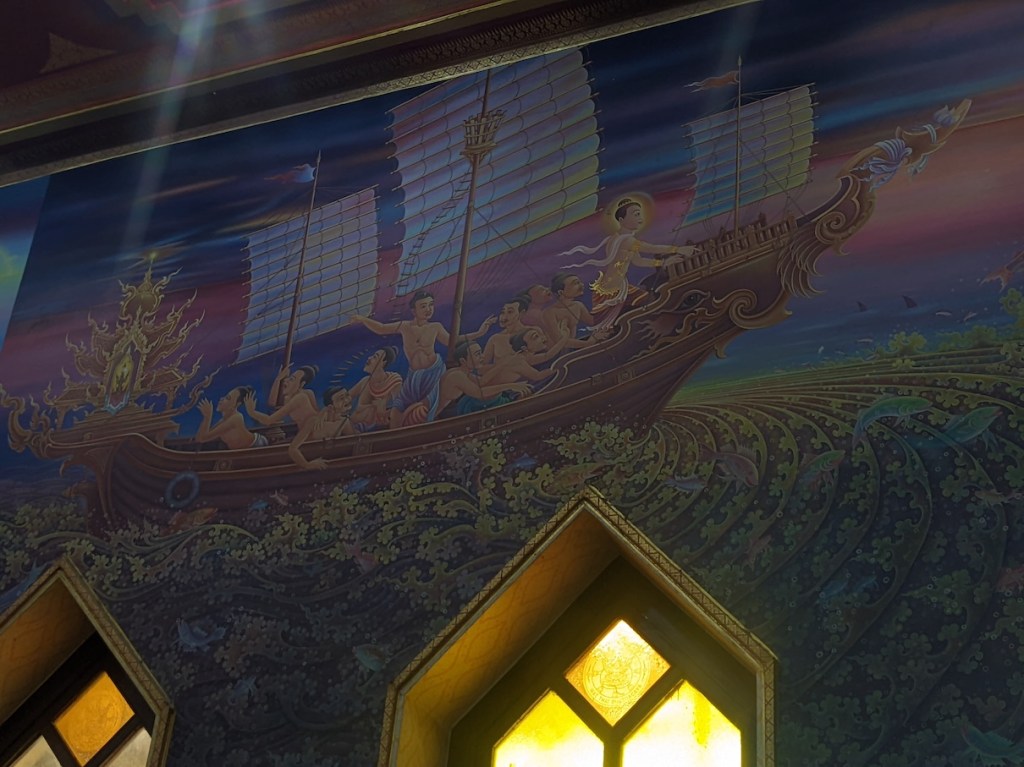
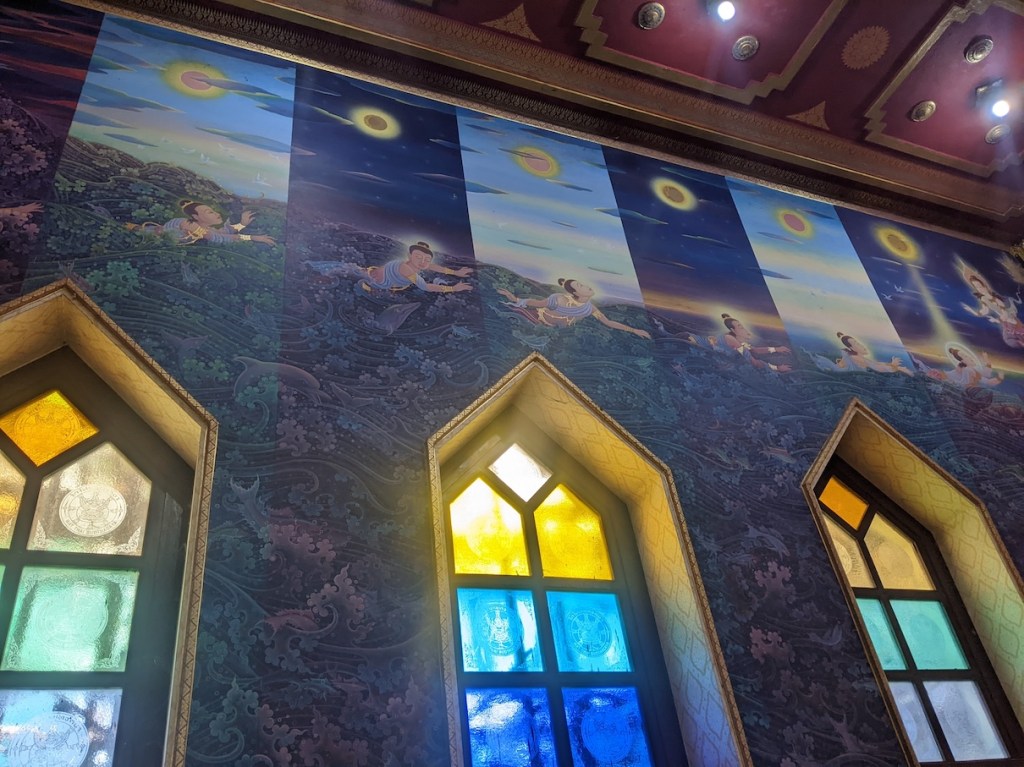
After leaving the temple, we visited a Thai monastery, admired its Buddha statue and the beautifully detailed paintings and carvings on its walls. Like most monasteries here, the artistry is intricate and deeply symbolic.
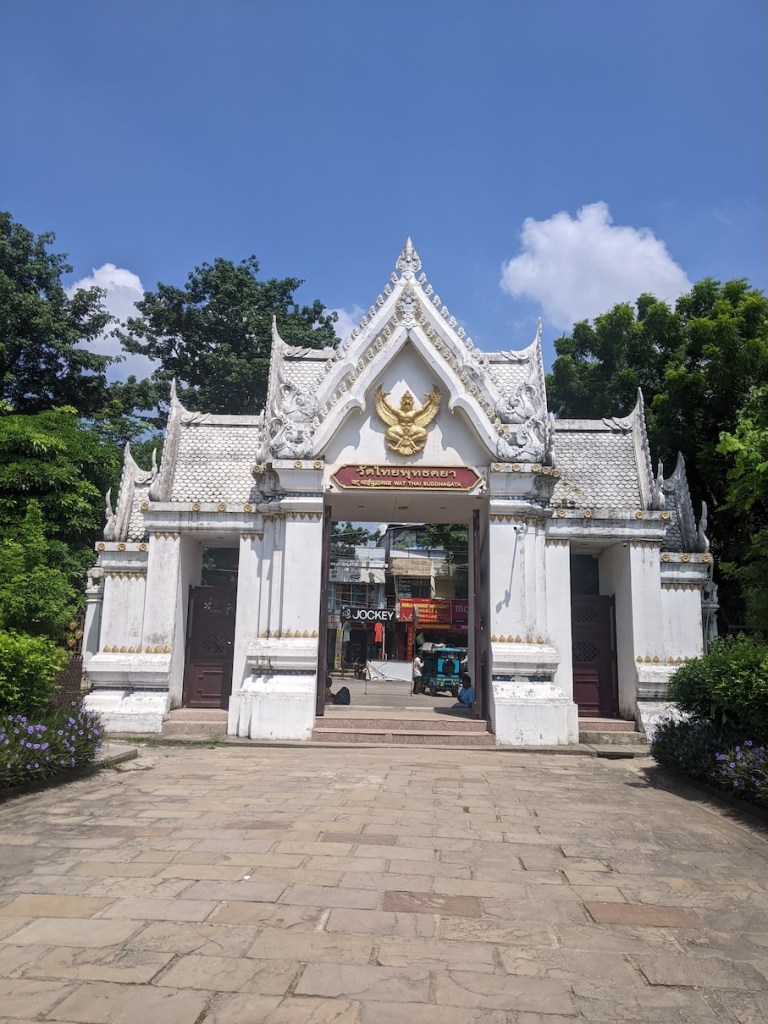
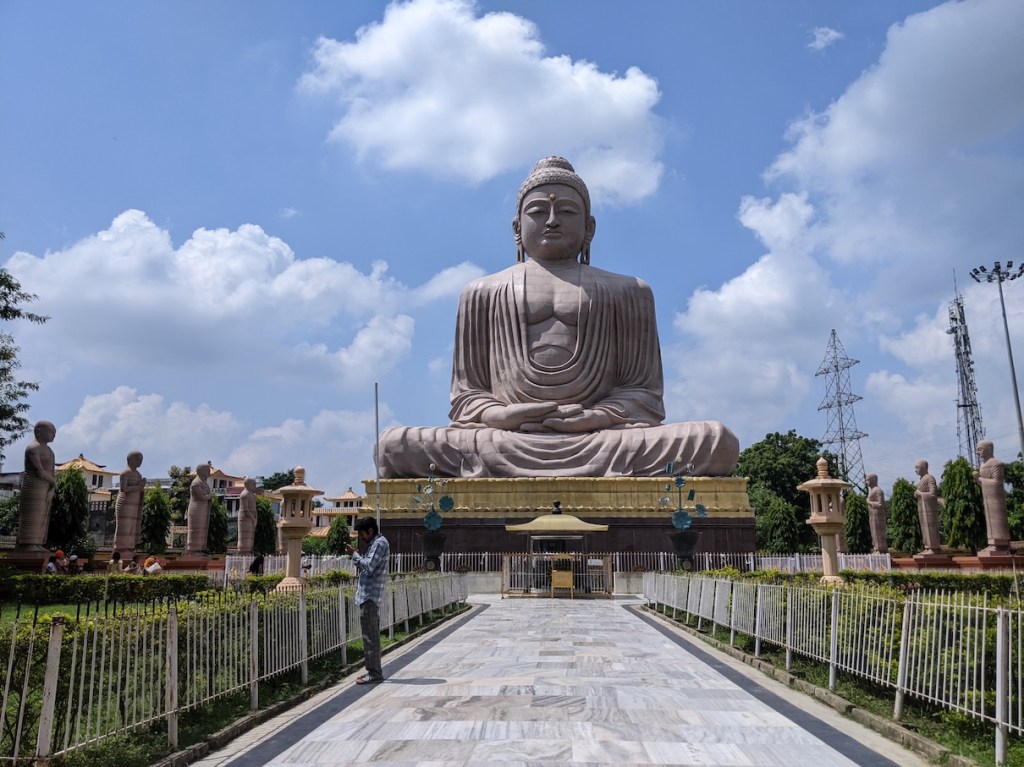
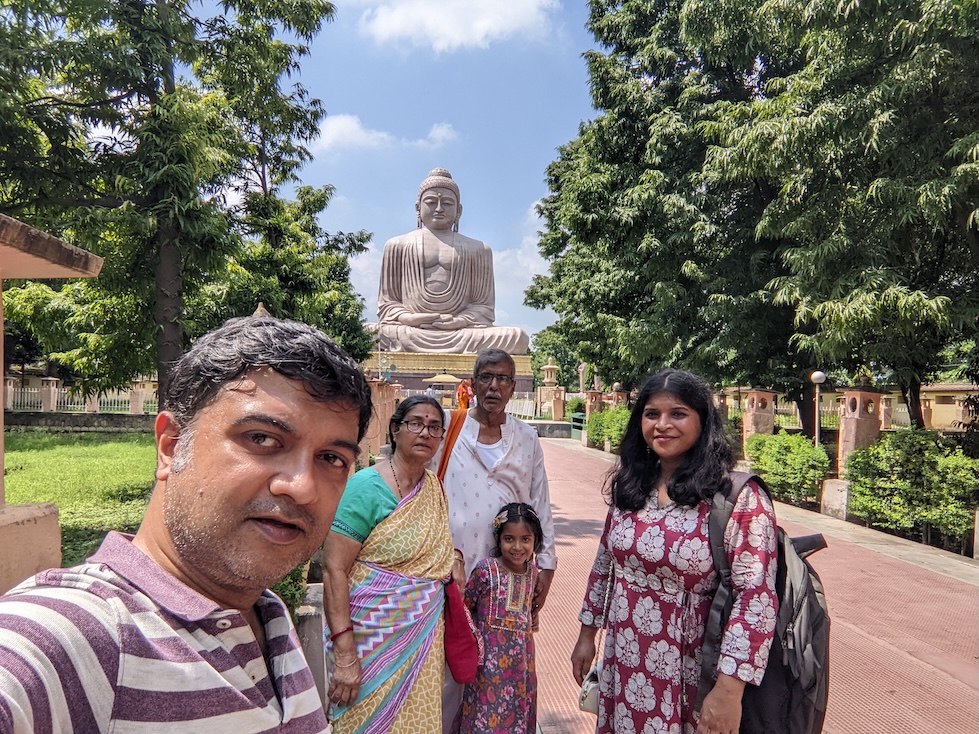
We then headed to the Great Buddha Statue, but by this time the heat had peaked. My daughter was understandably cranky, and my parents were struggling with the temperature. We decided to call it a day and return to the hotel.
Walking Through the Monasteries
On our final day in Bodh Gaya, I woke up early and headed out alone. I took an auto and got down, close to the Mahabodhi Temple area and then walked around the monasteries.
This turned out to be one of the highlights of the trip.
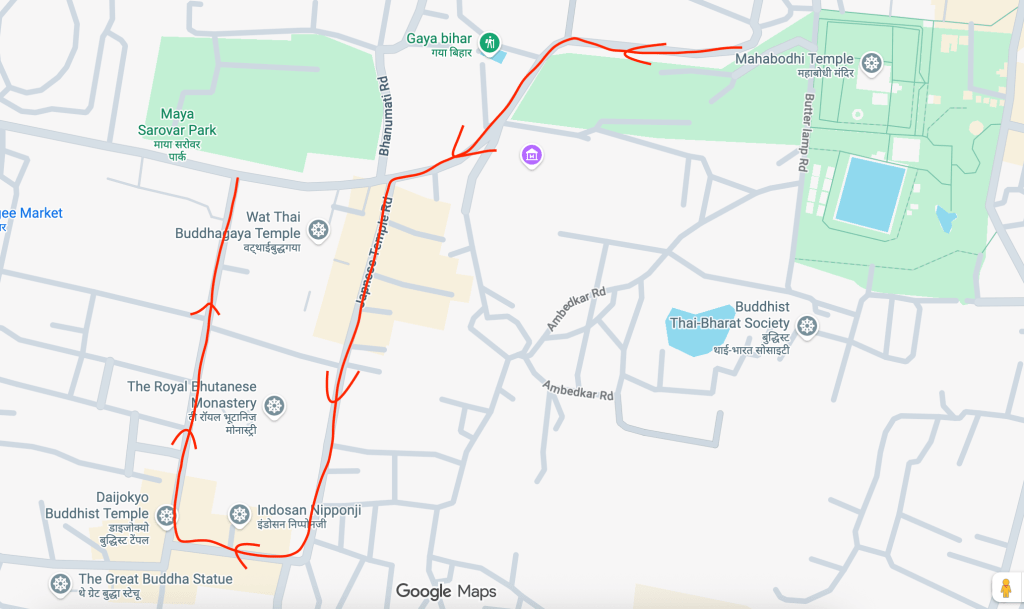
Within a small radius, you’ll find monasteries from Tibet, China, Taiwan, Thailand, Bhutan, Malaysia, and more. Each space invites you to sit, pause, and reflect. I spent time in several monasteries—sitting quietly, meditating briefly, and then moving on to the next.
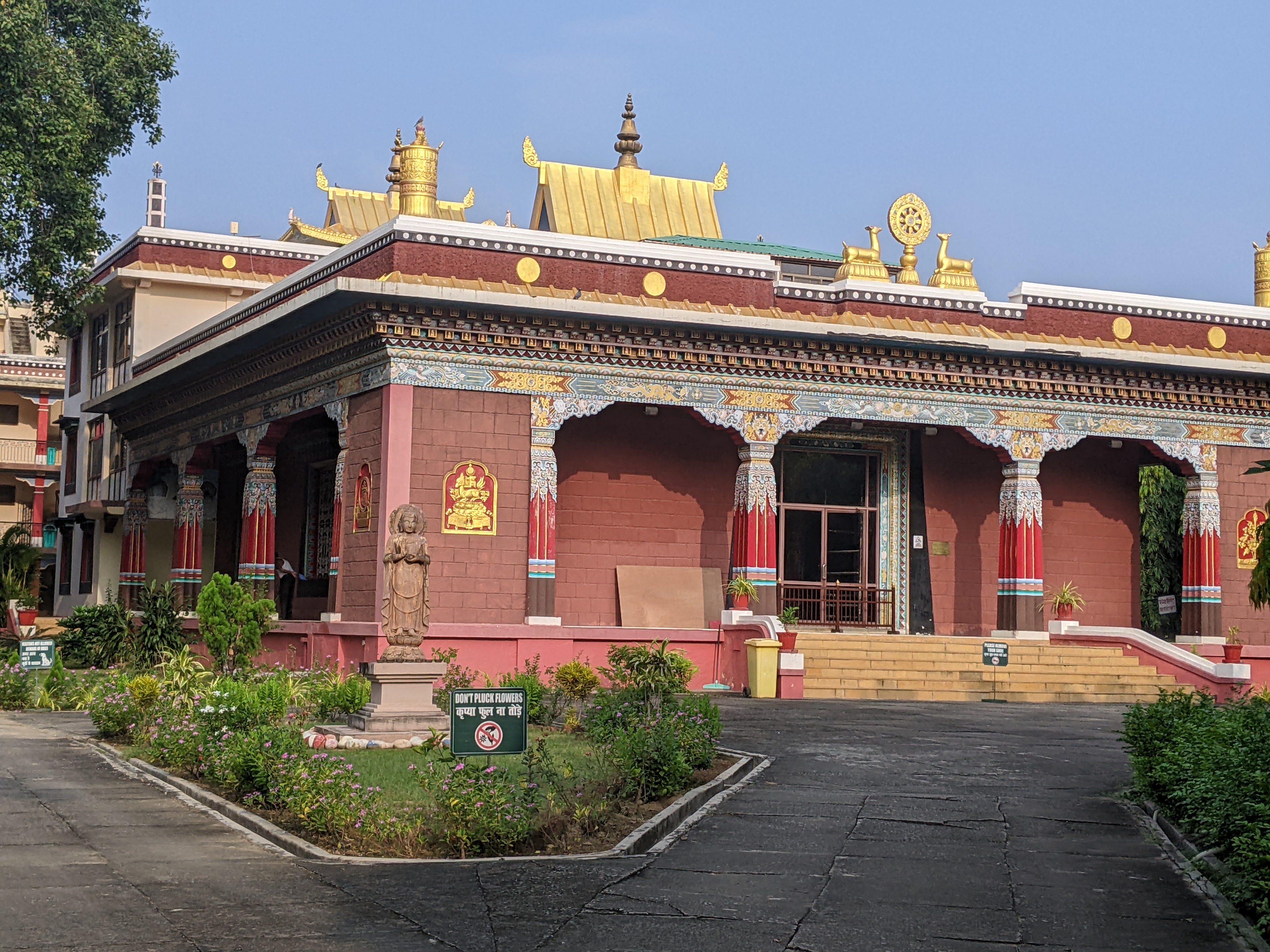
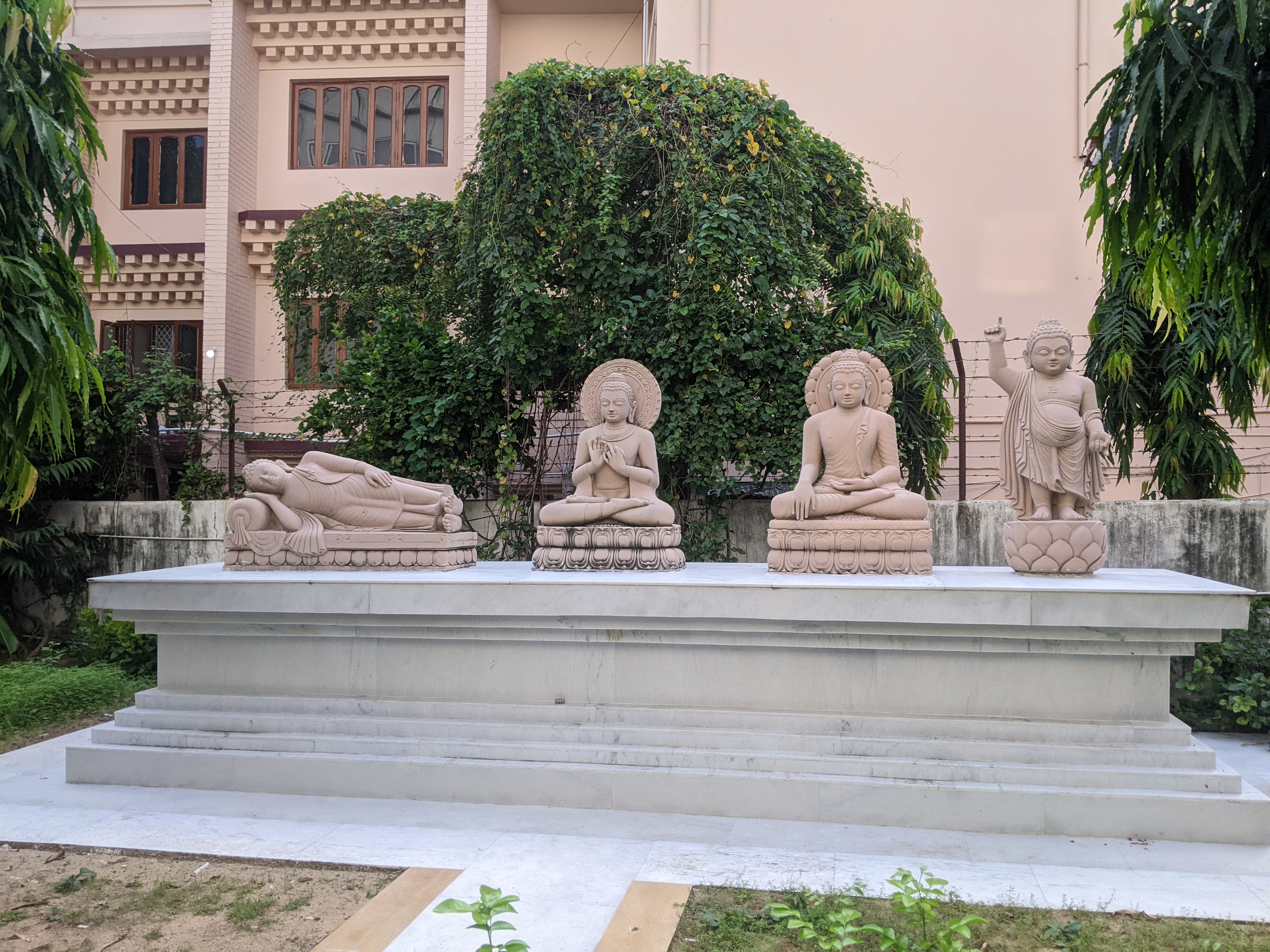
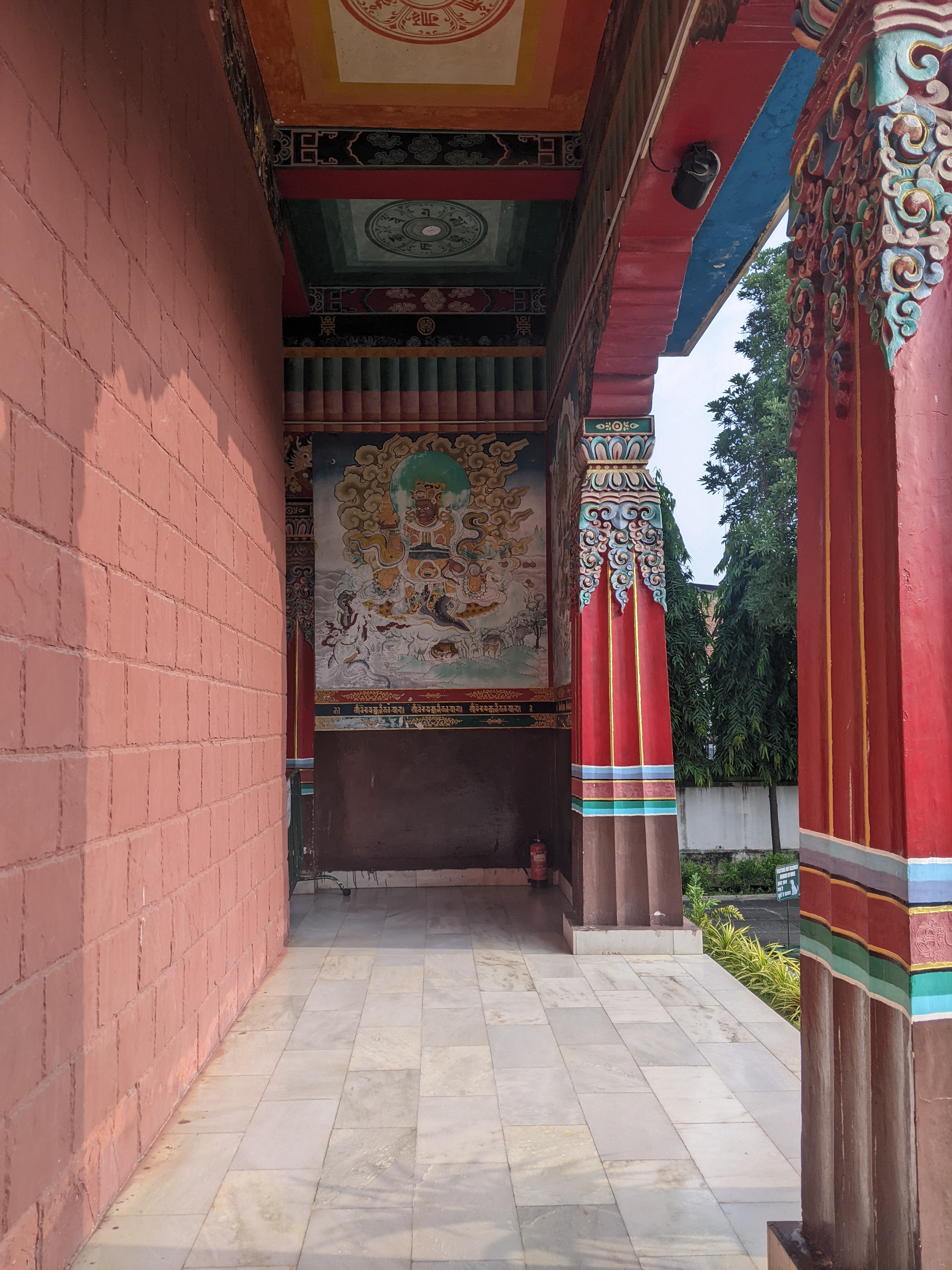
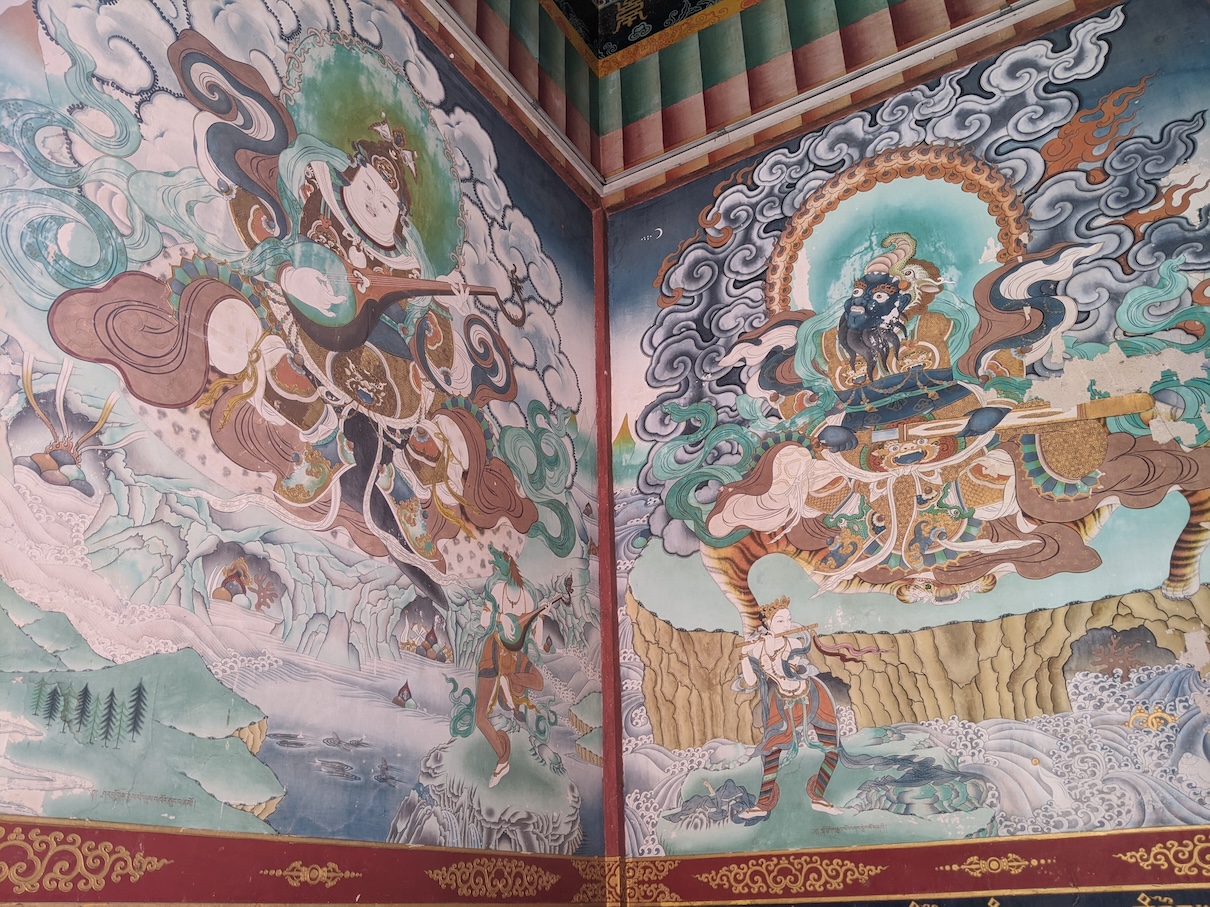
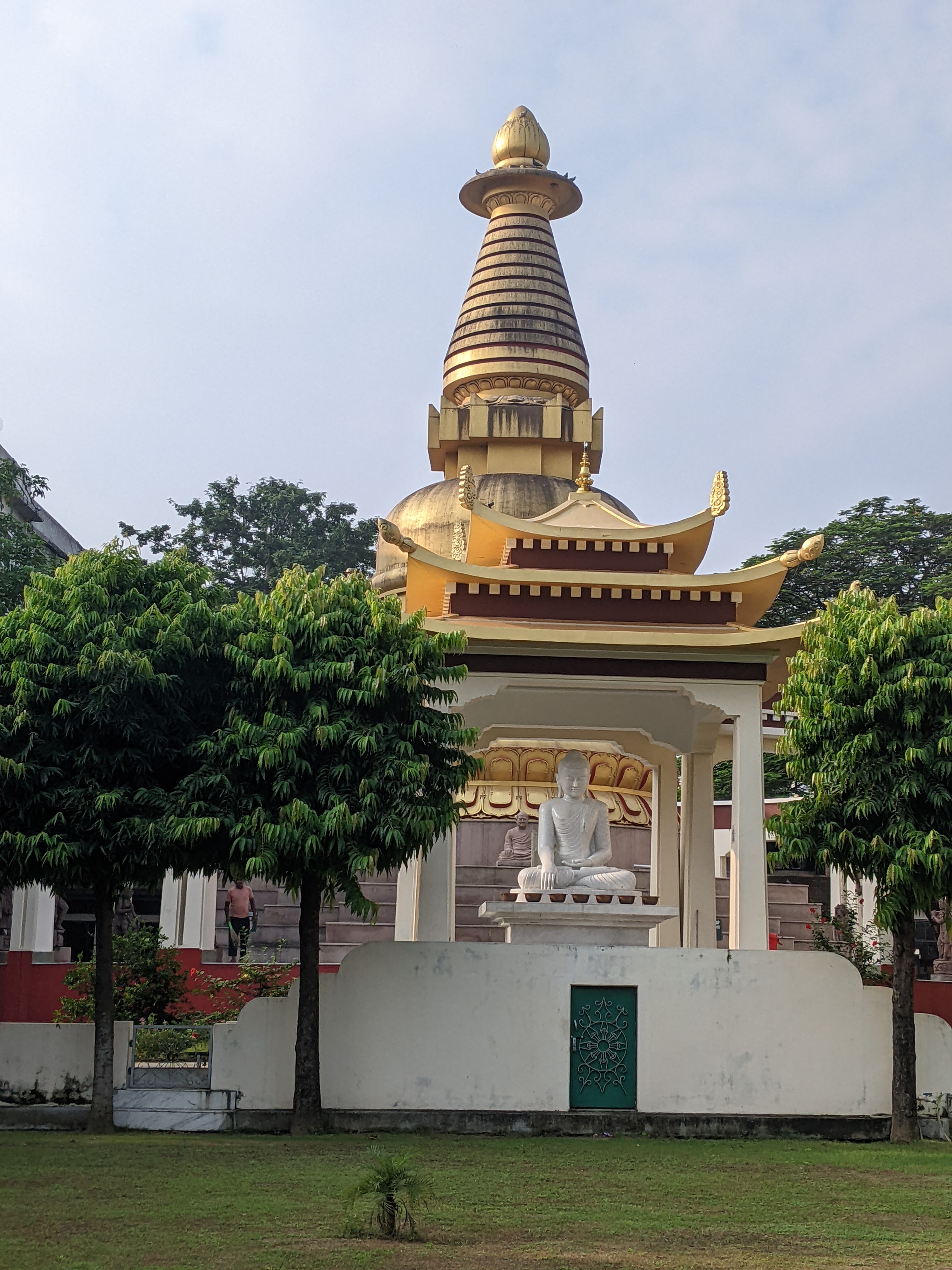
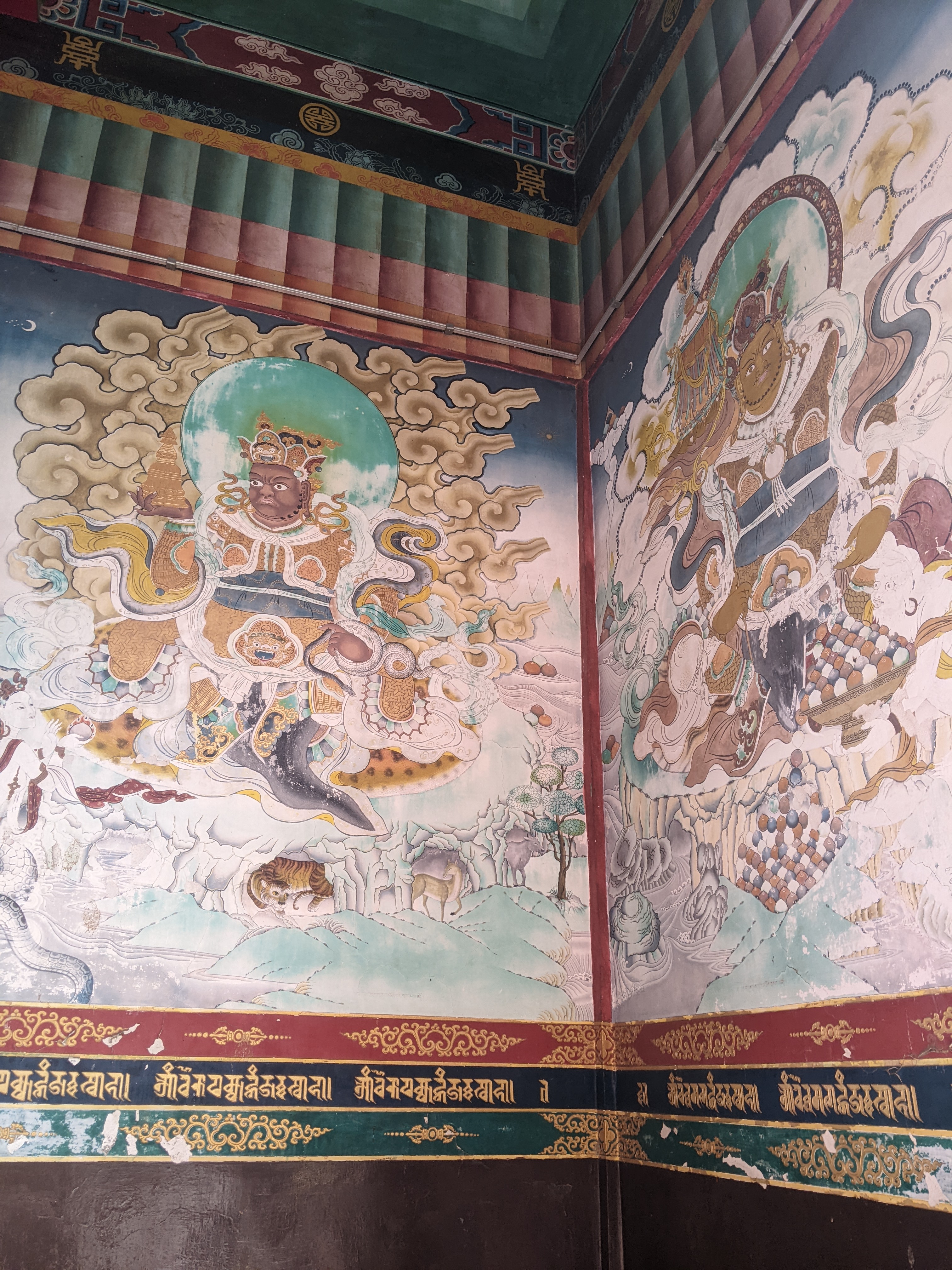
Nyingmapa monastery (Tibetan Monastery)
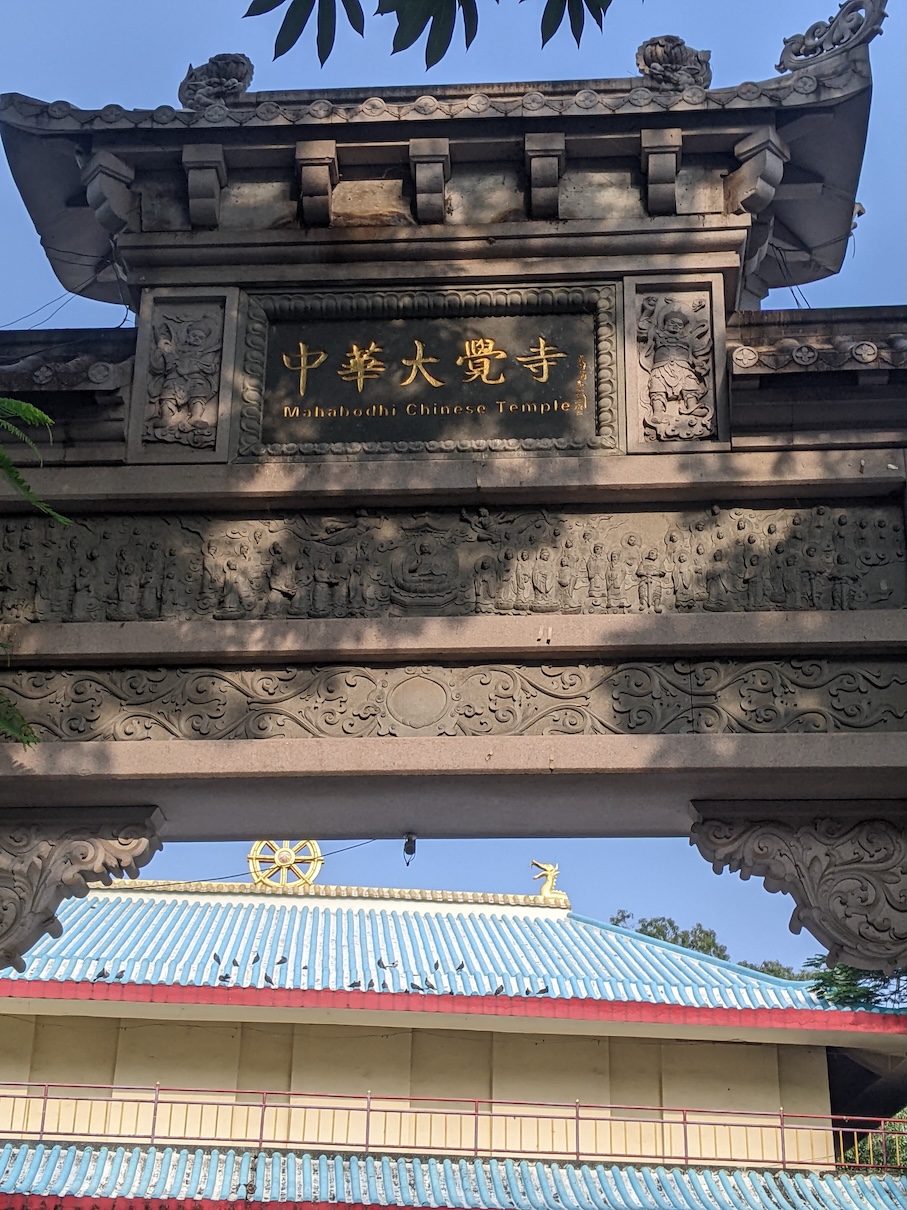
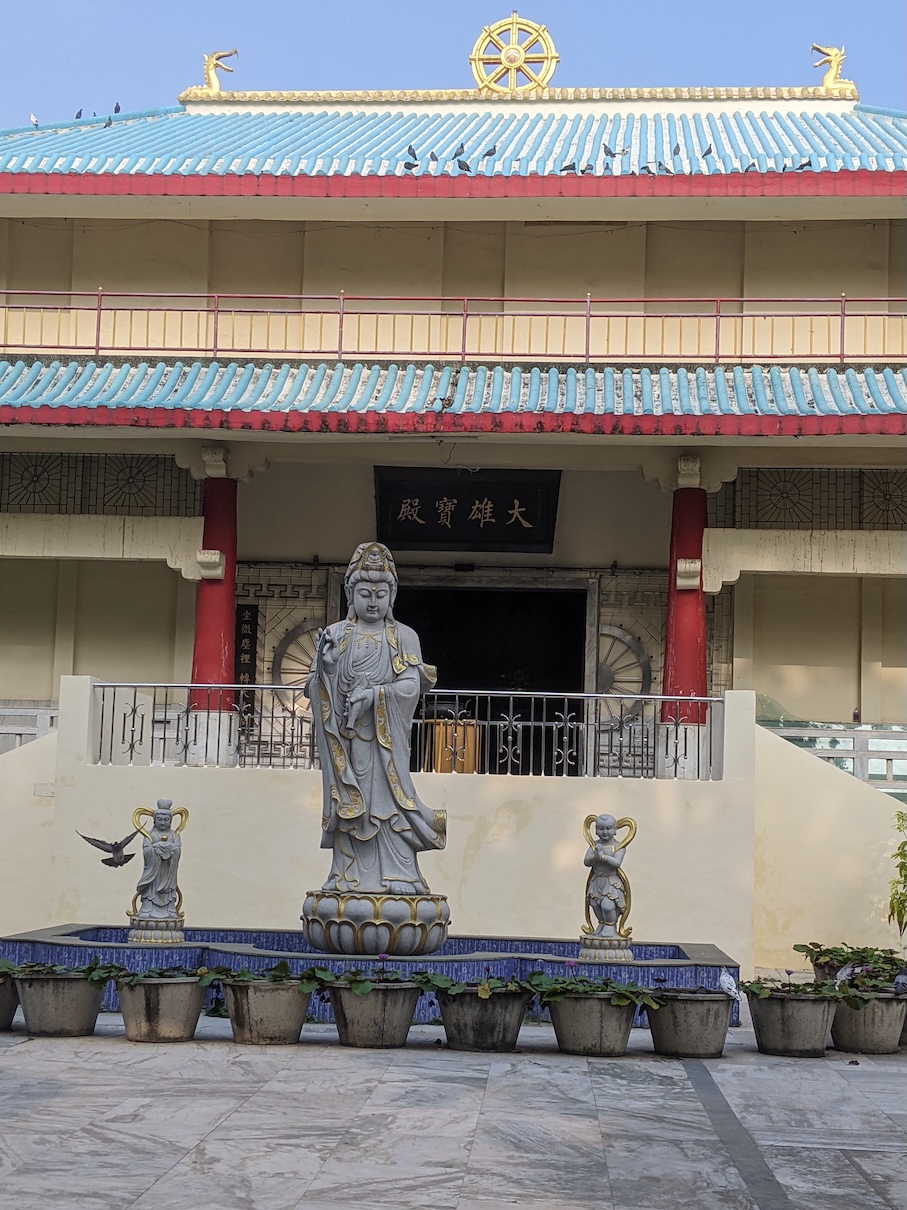
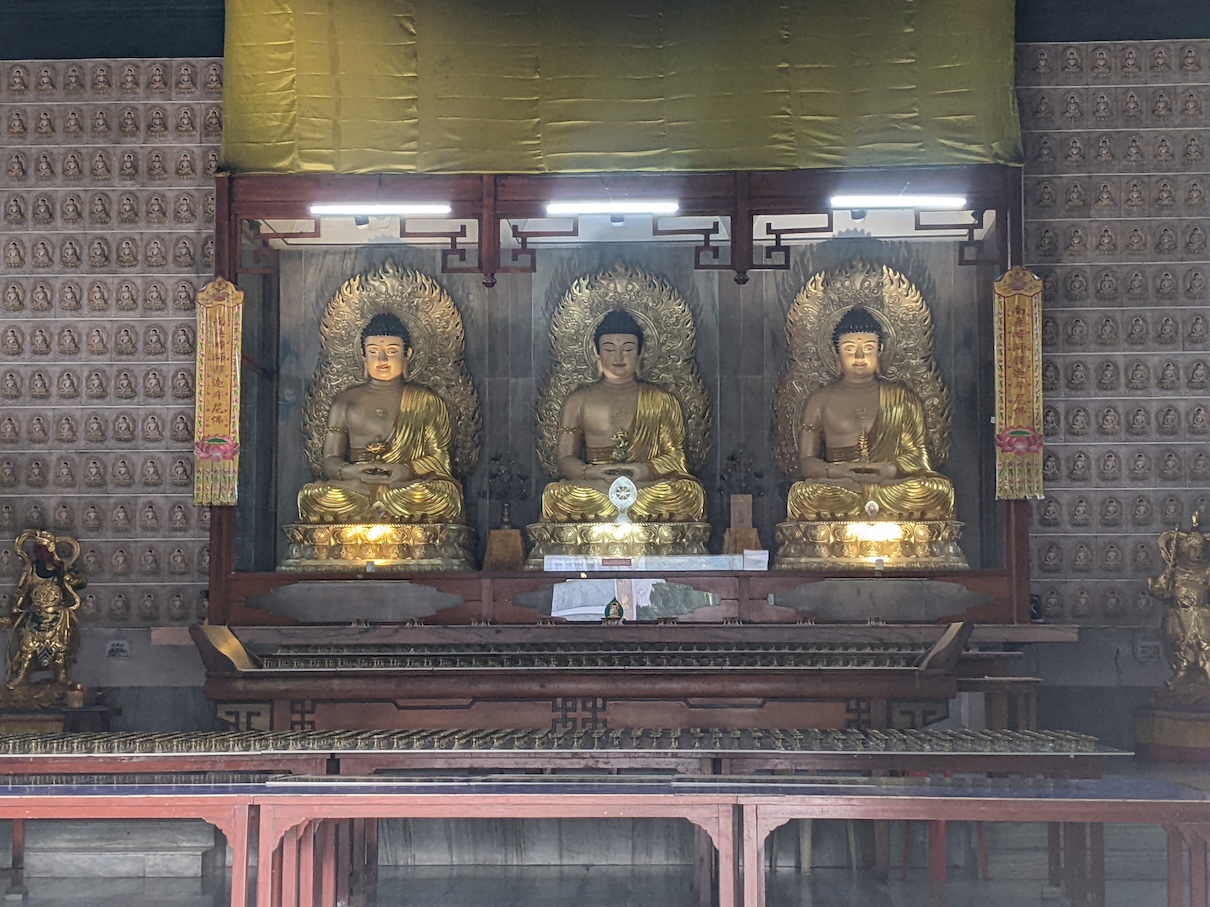
Chinese Monastery
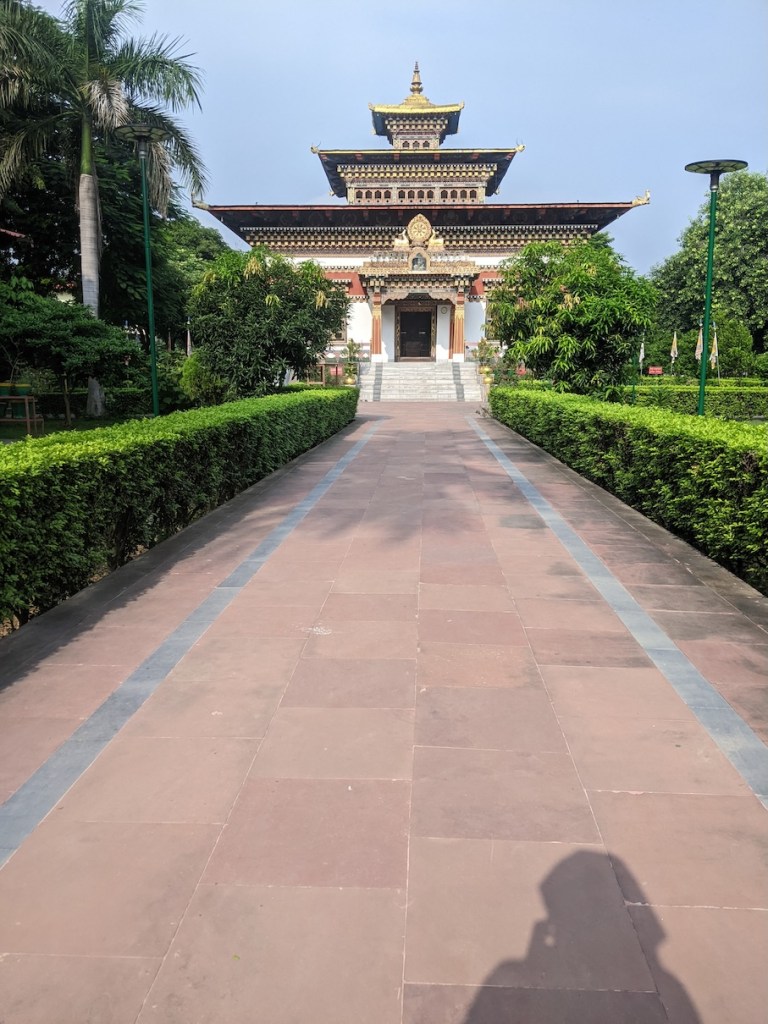
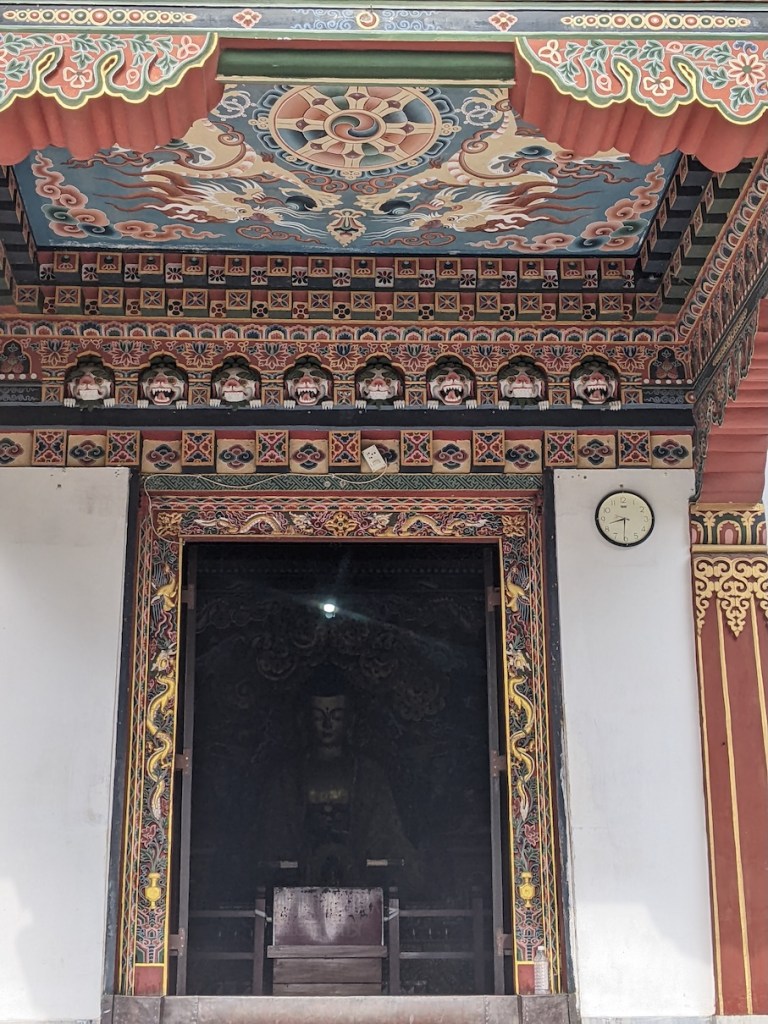
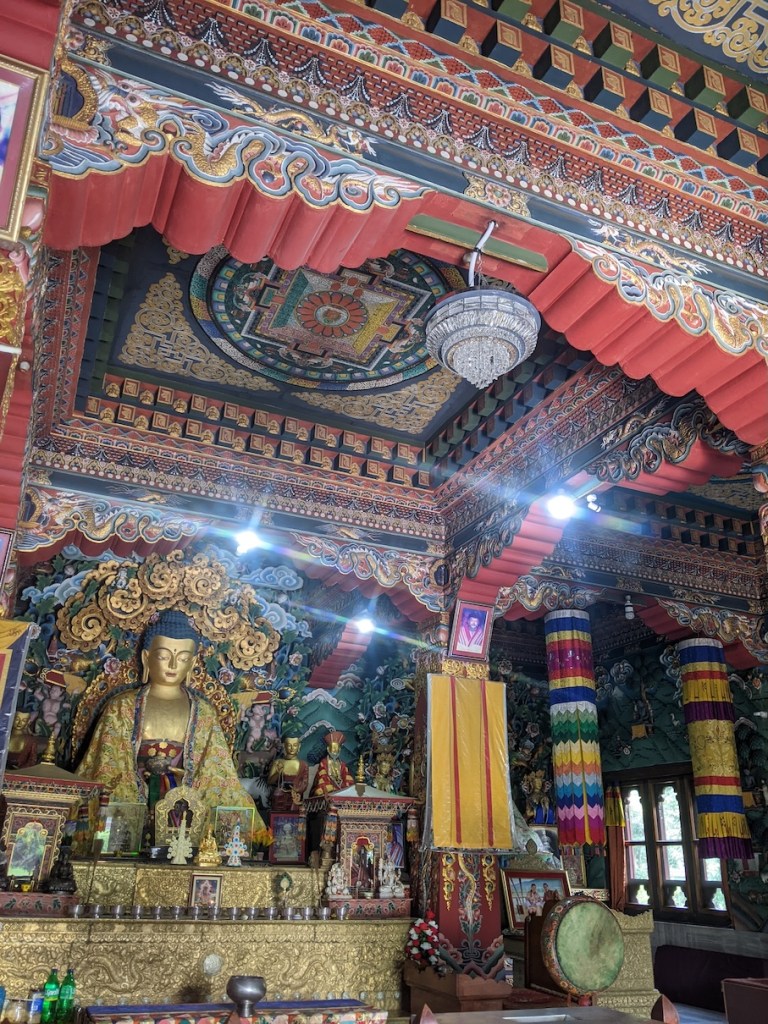
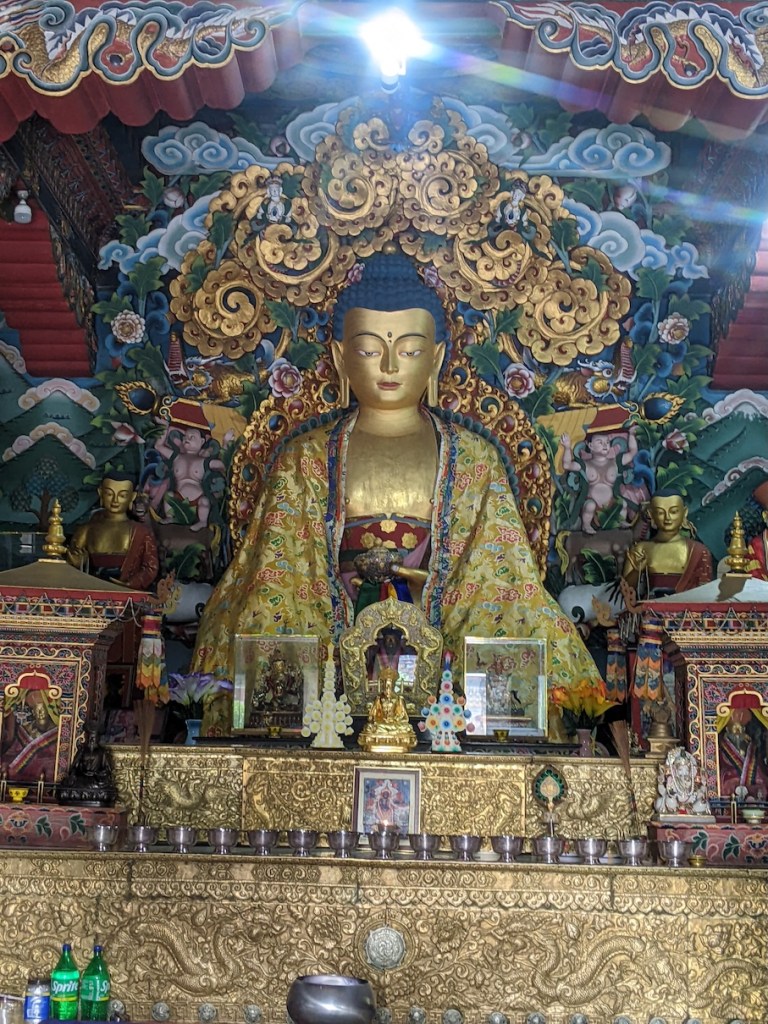
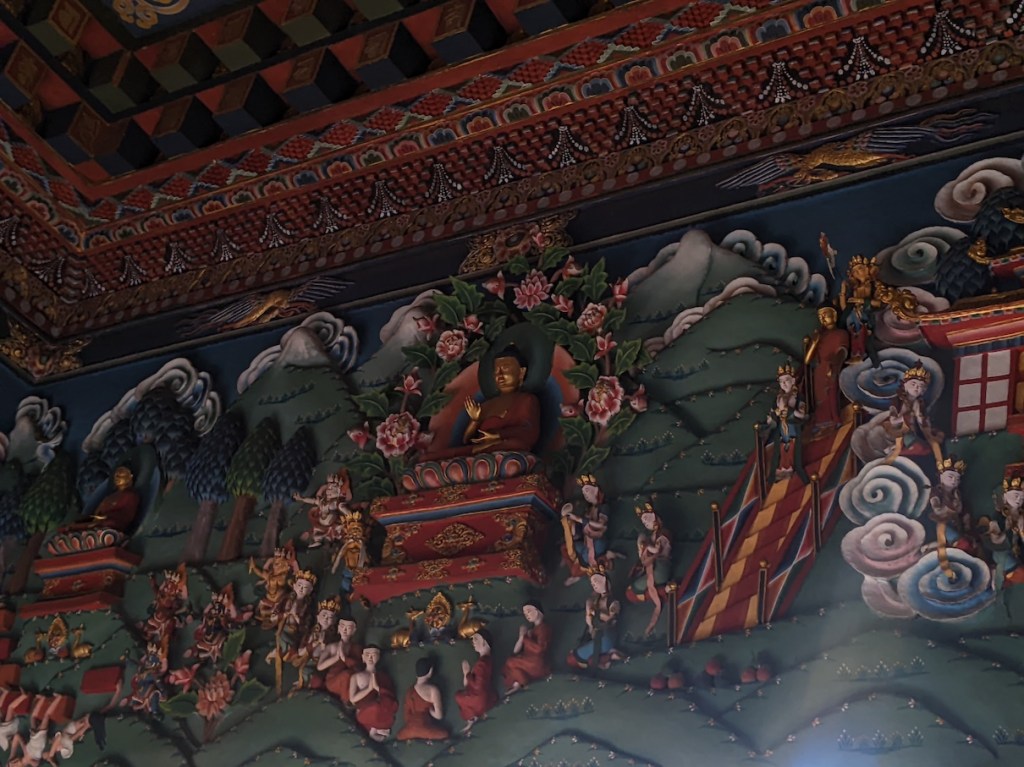
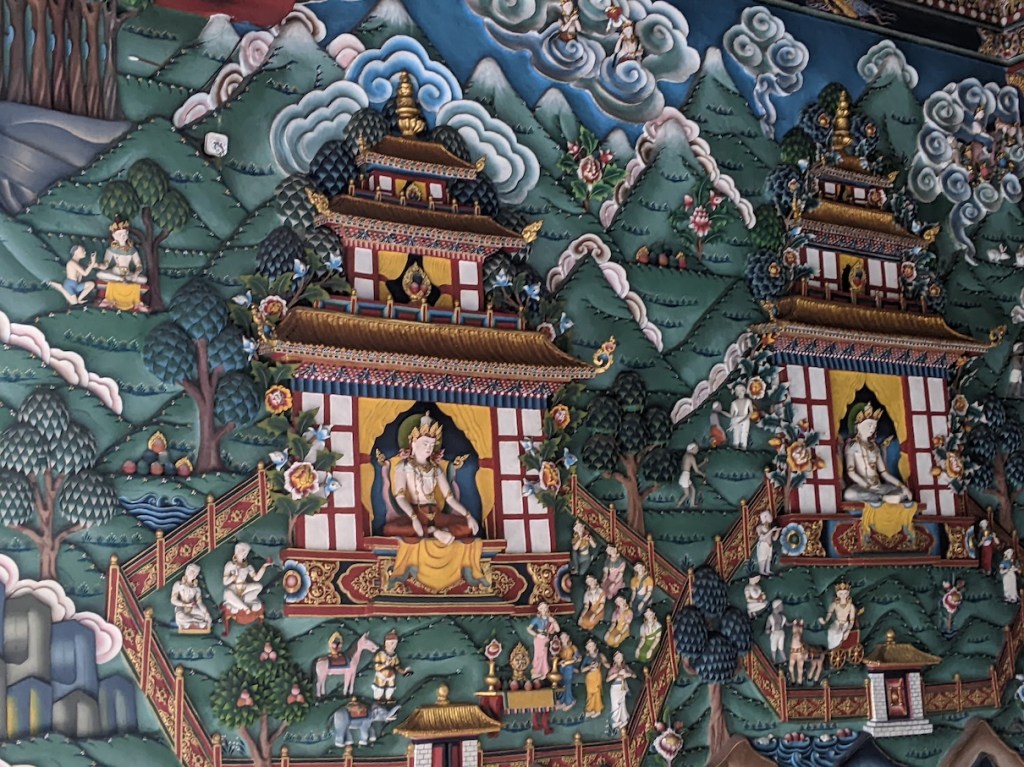
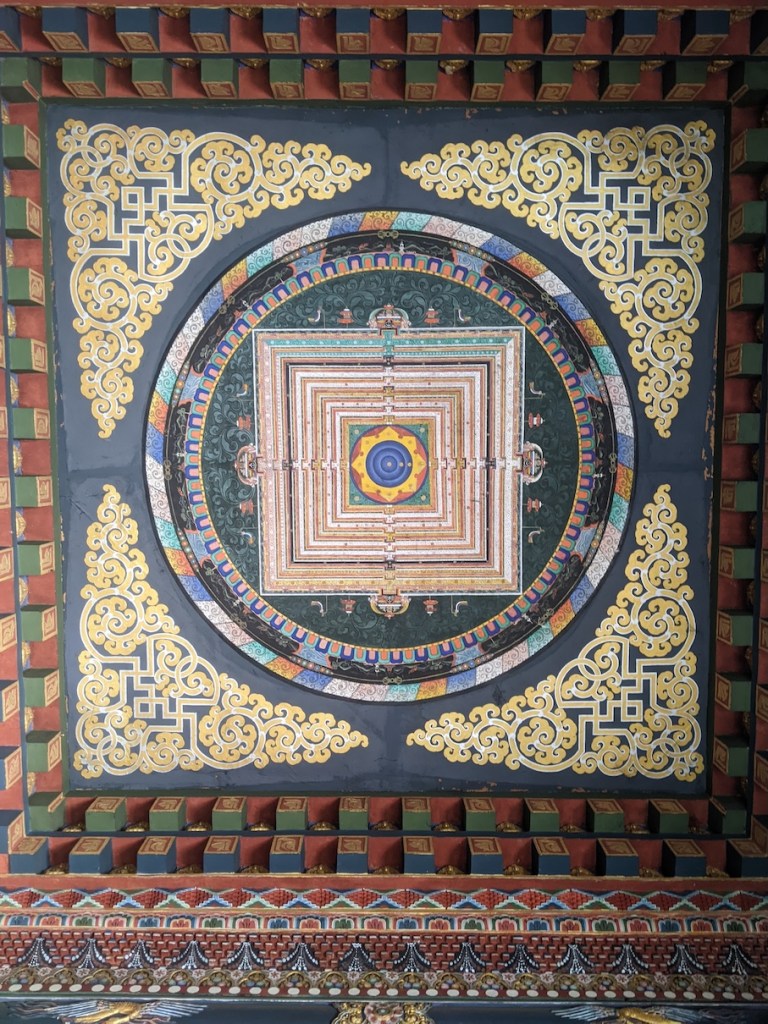
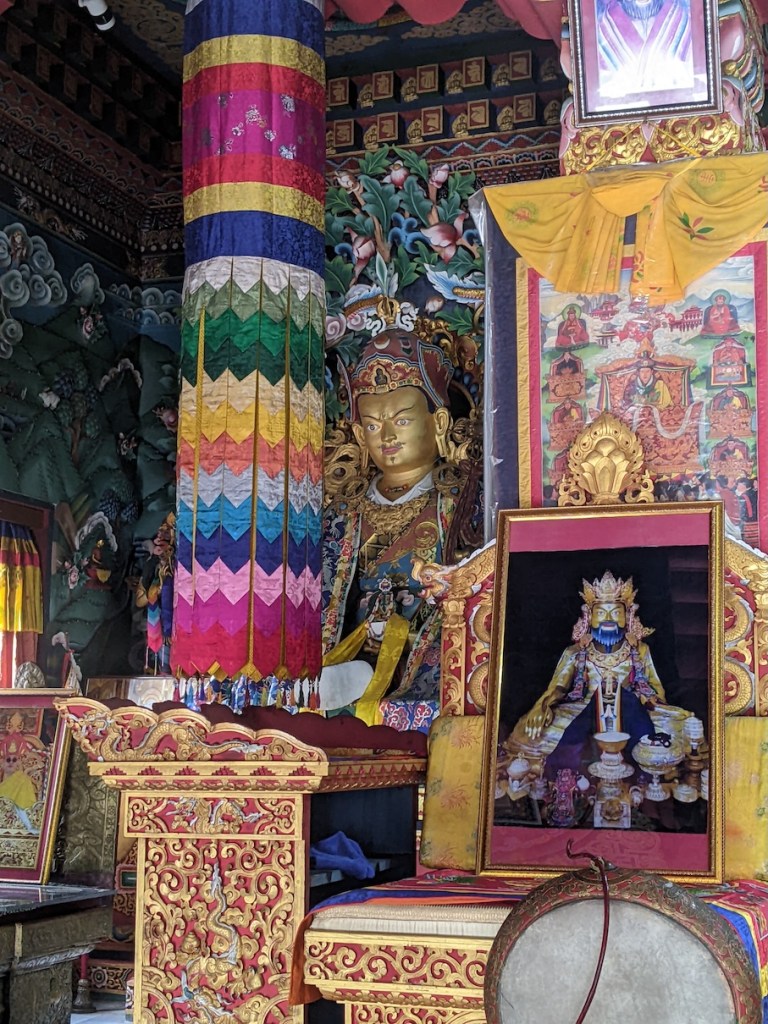
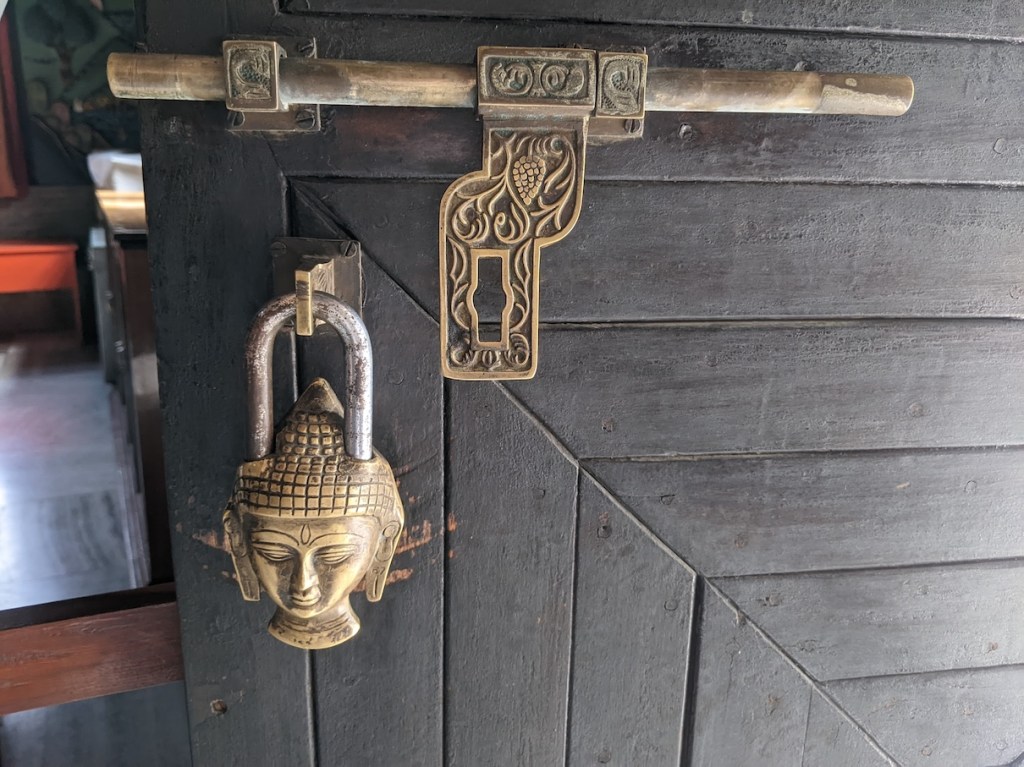
Bhutanese Monastery
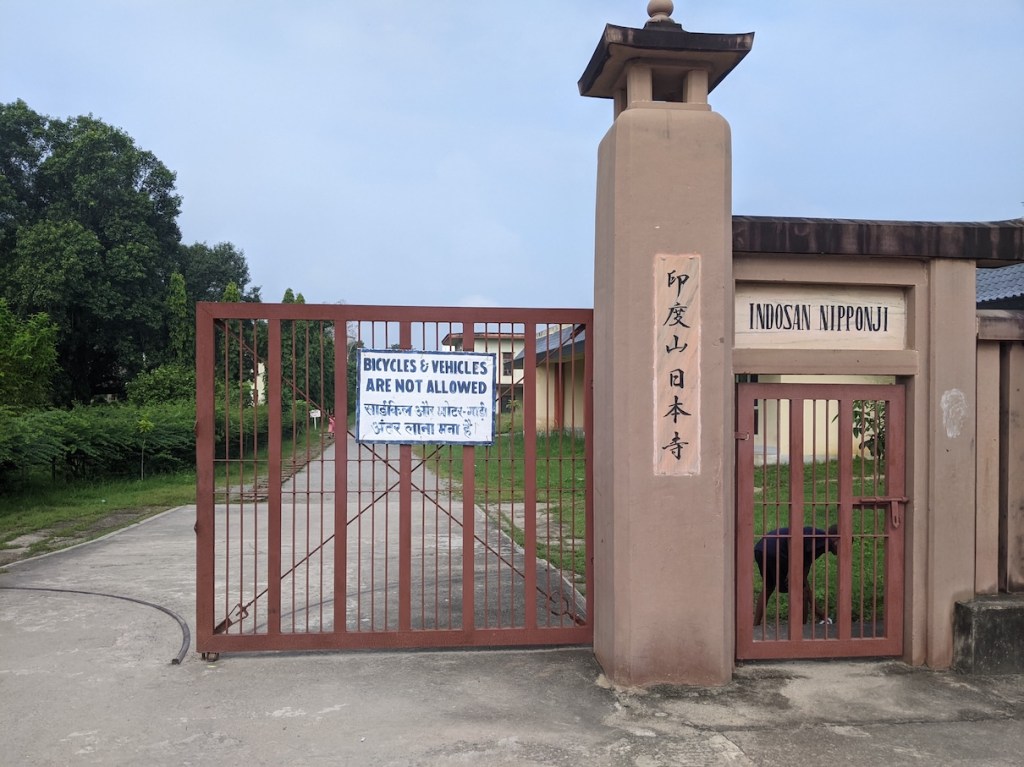
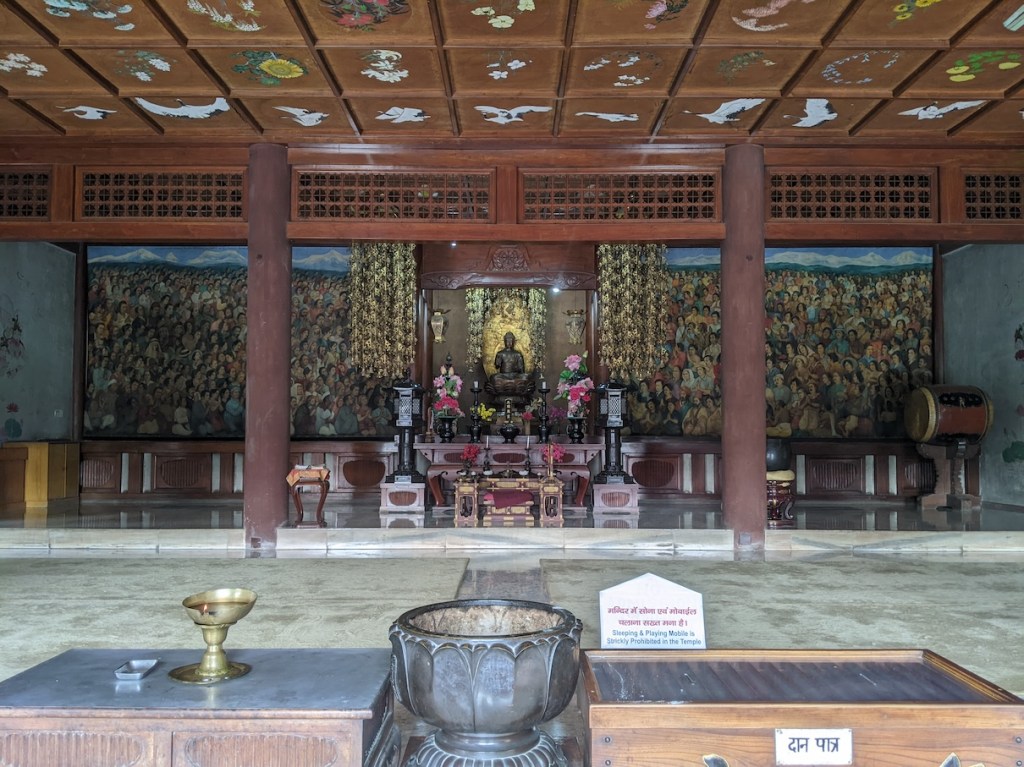
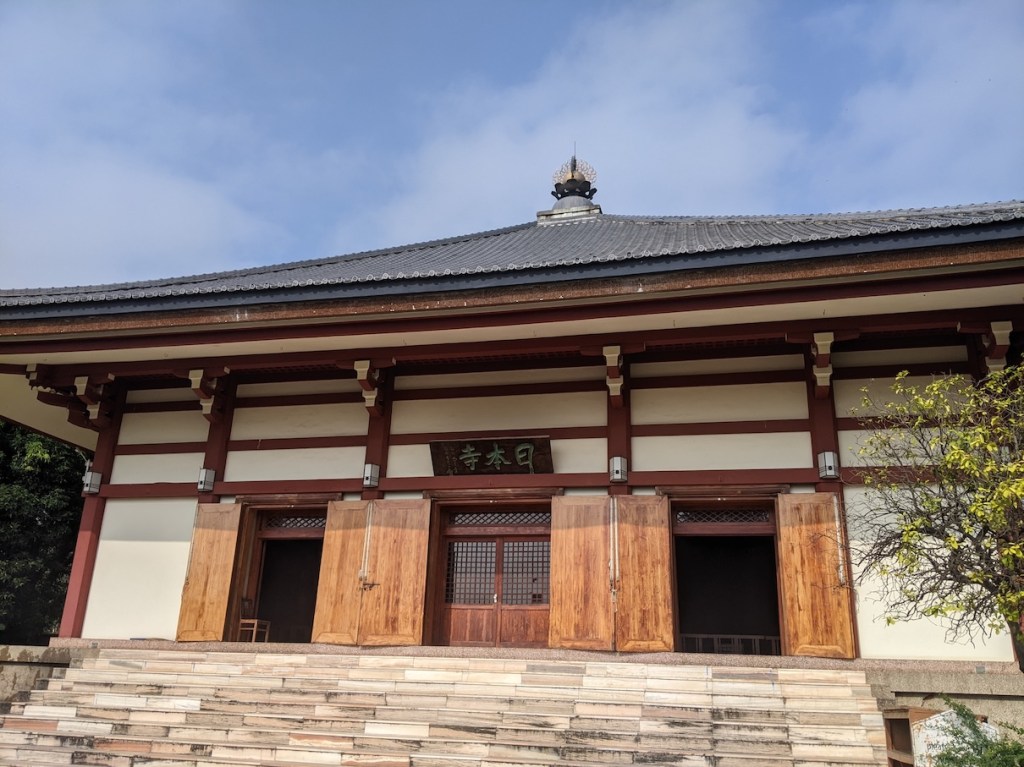
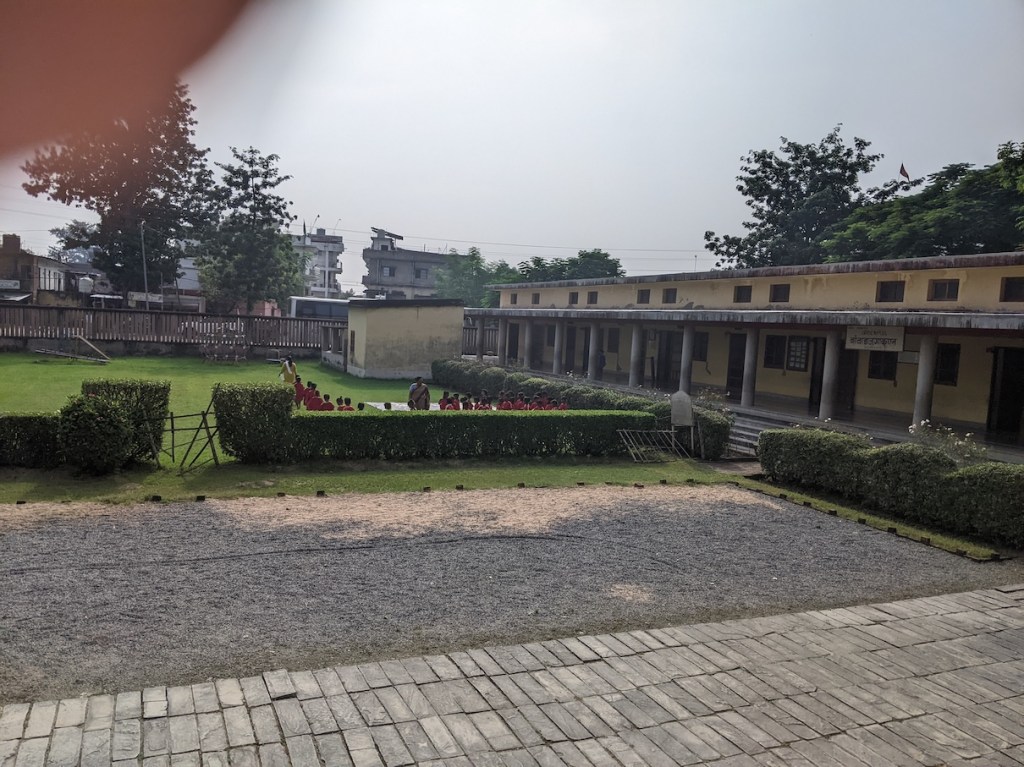
Japanese Monastery
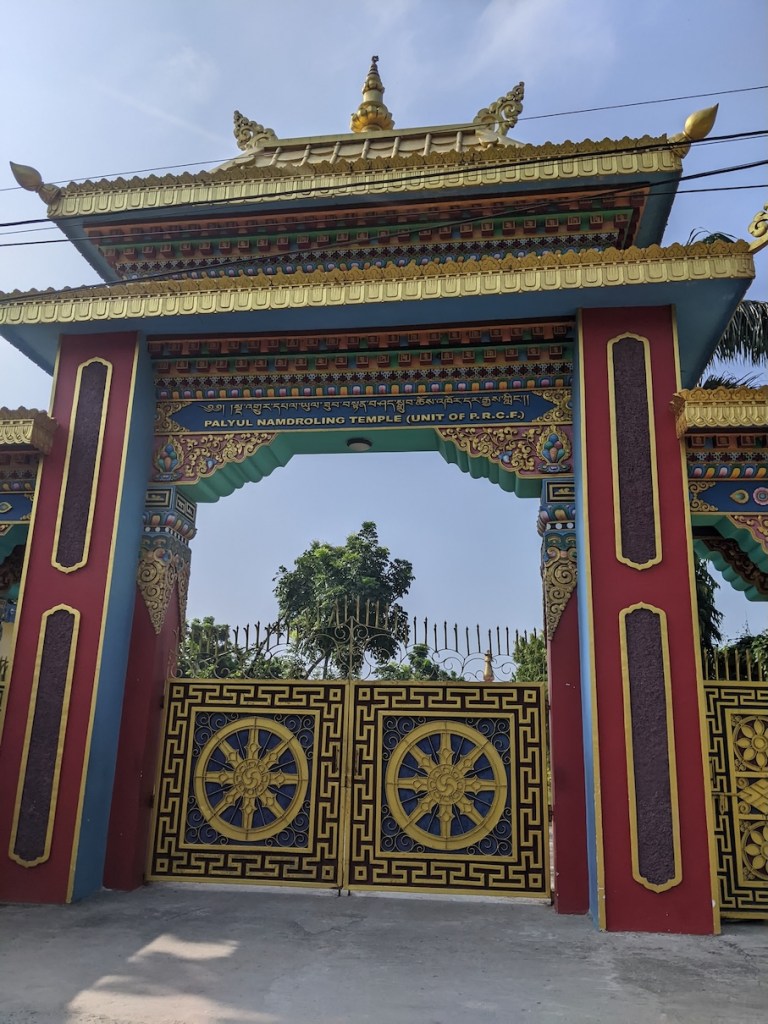
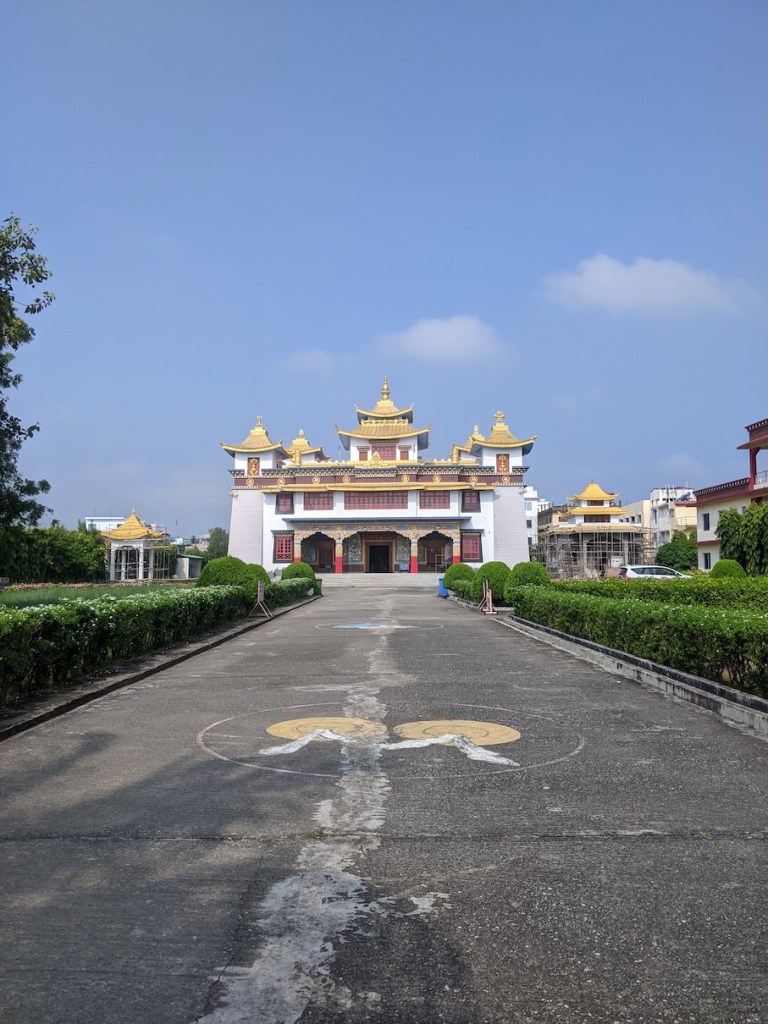
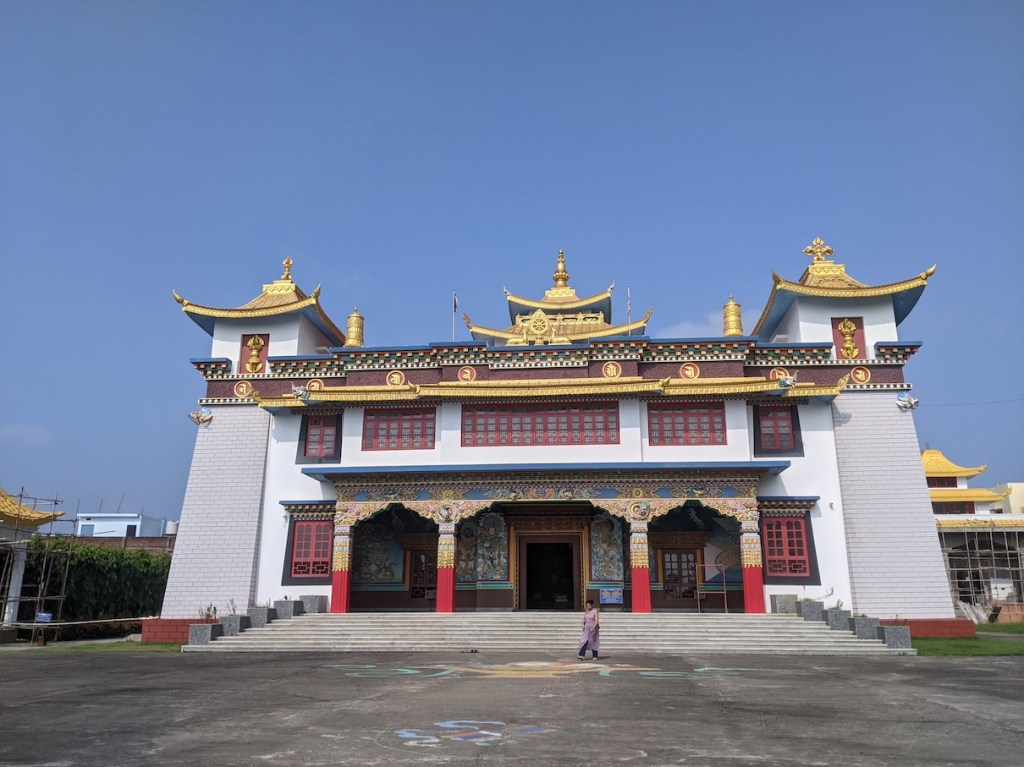
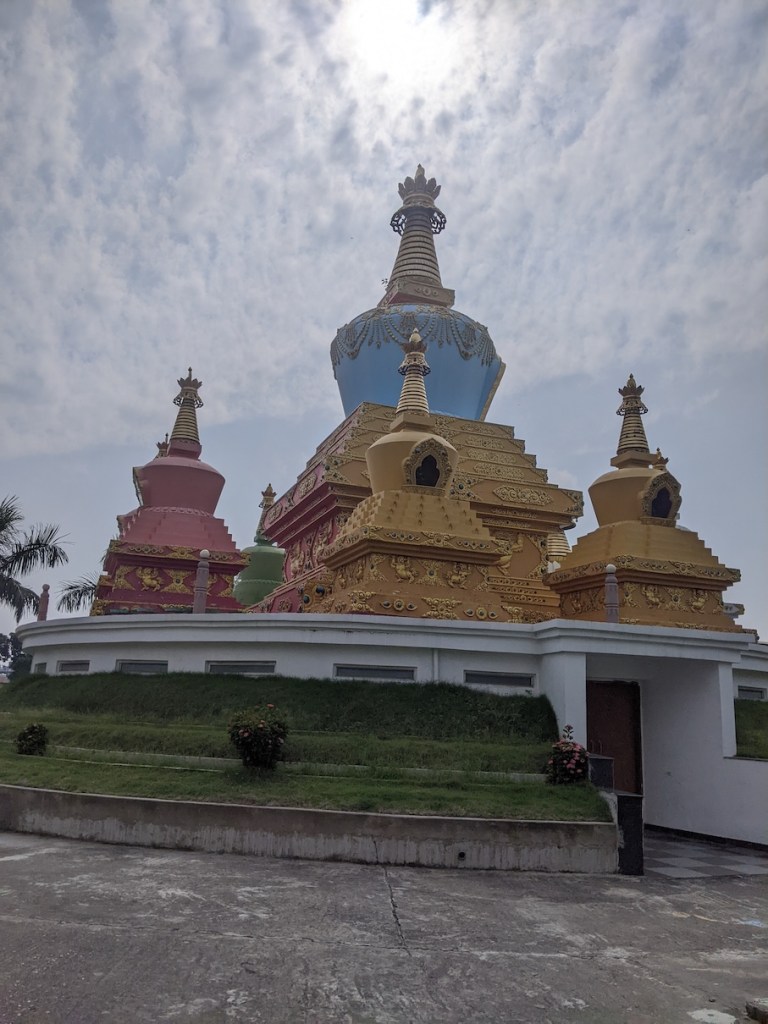
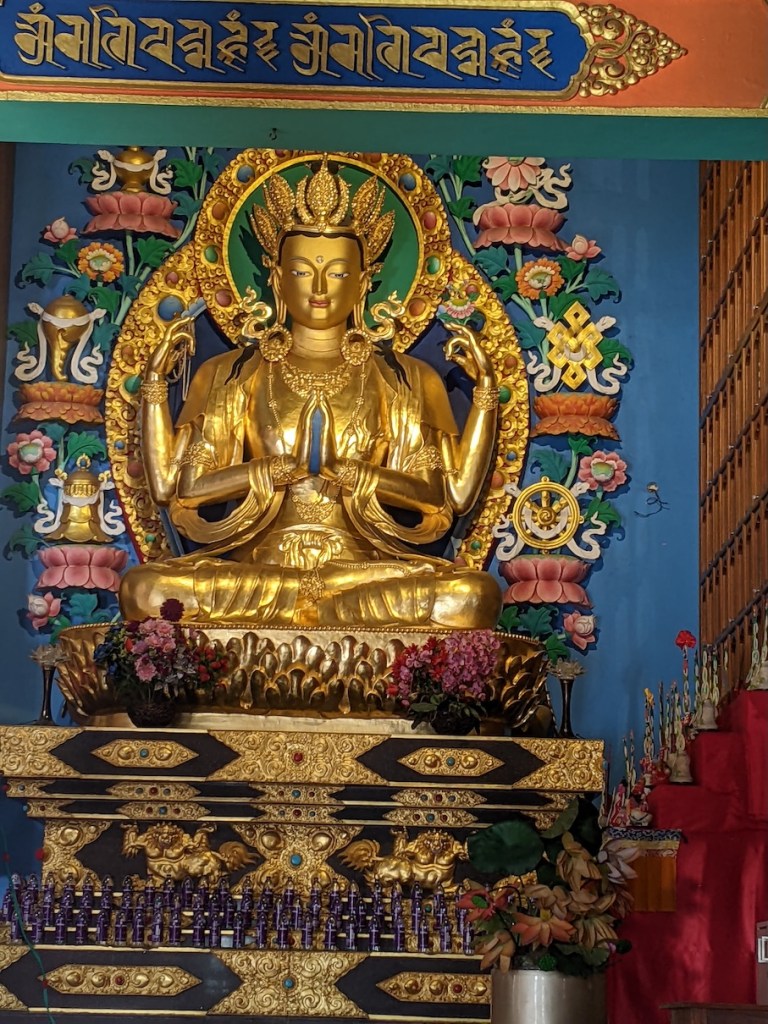
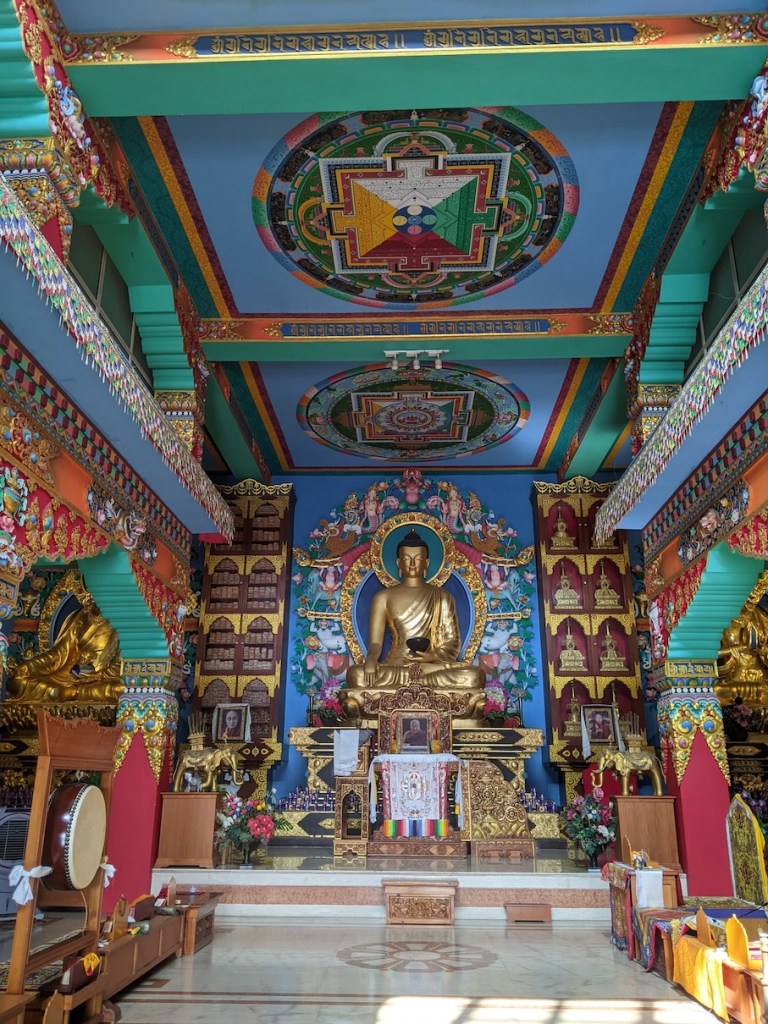
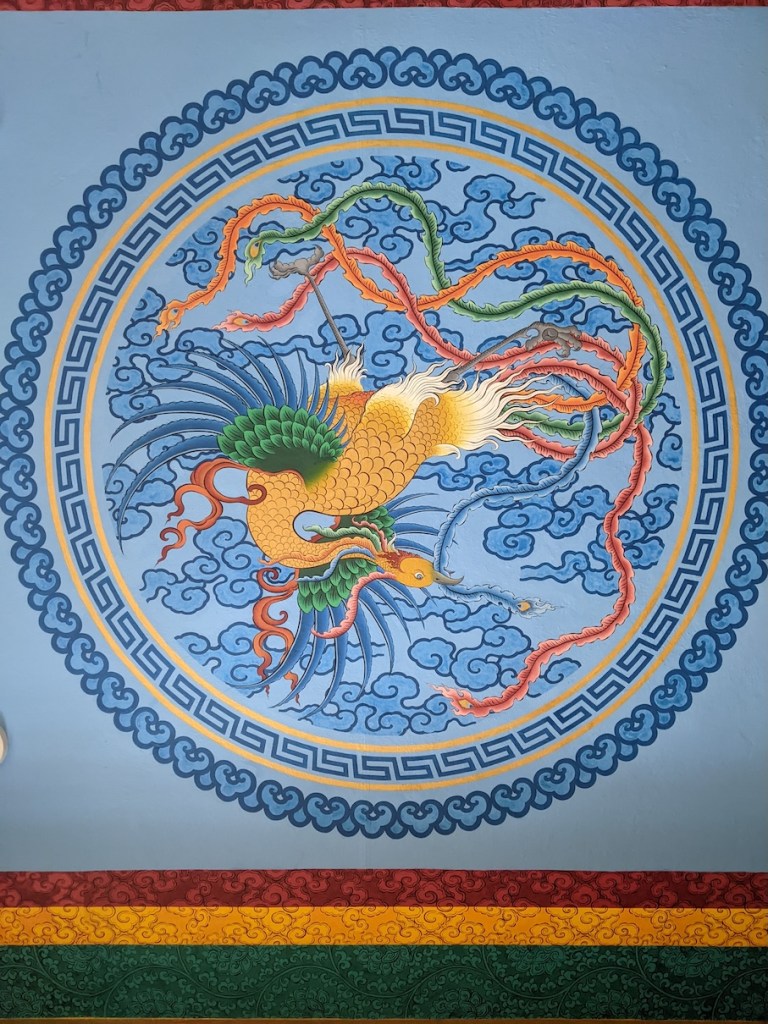
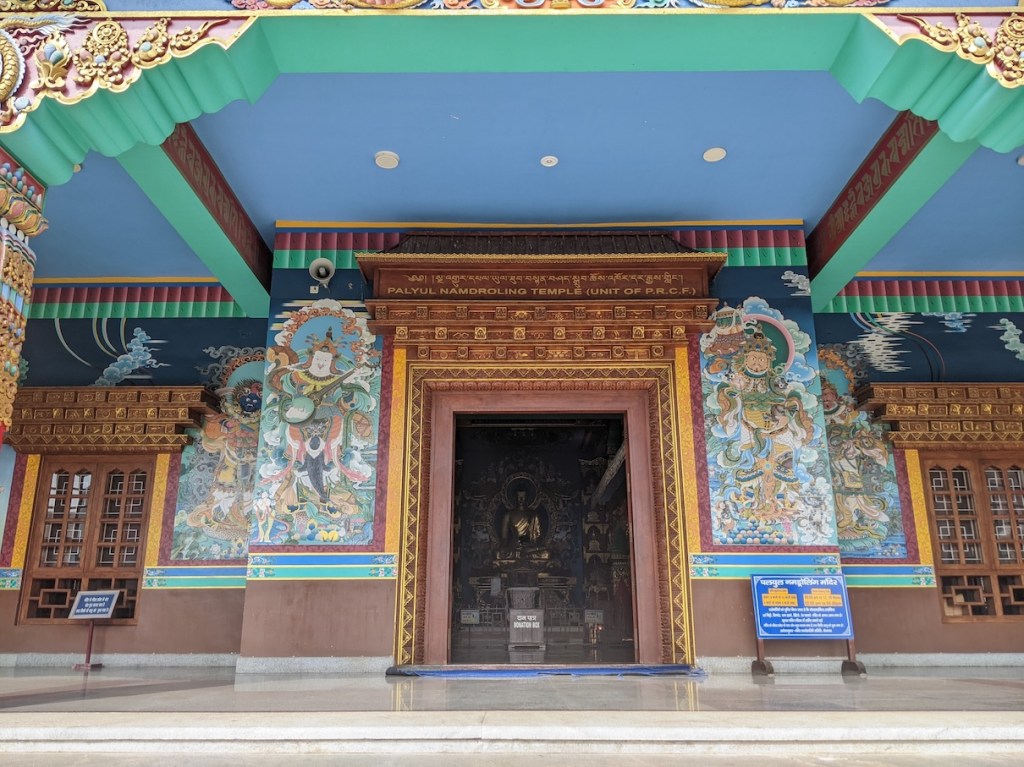
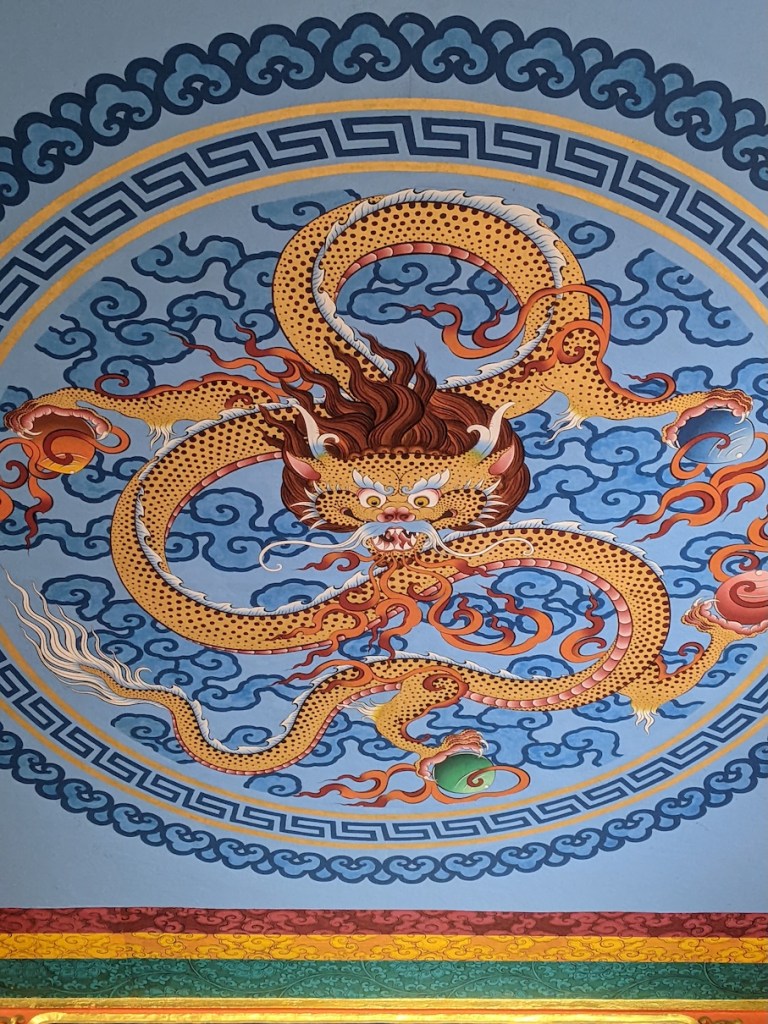
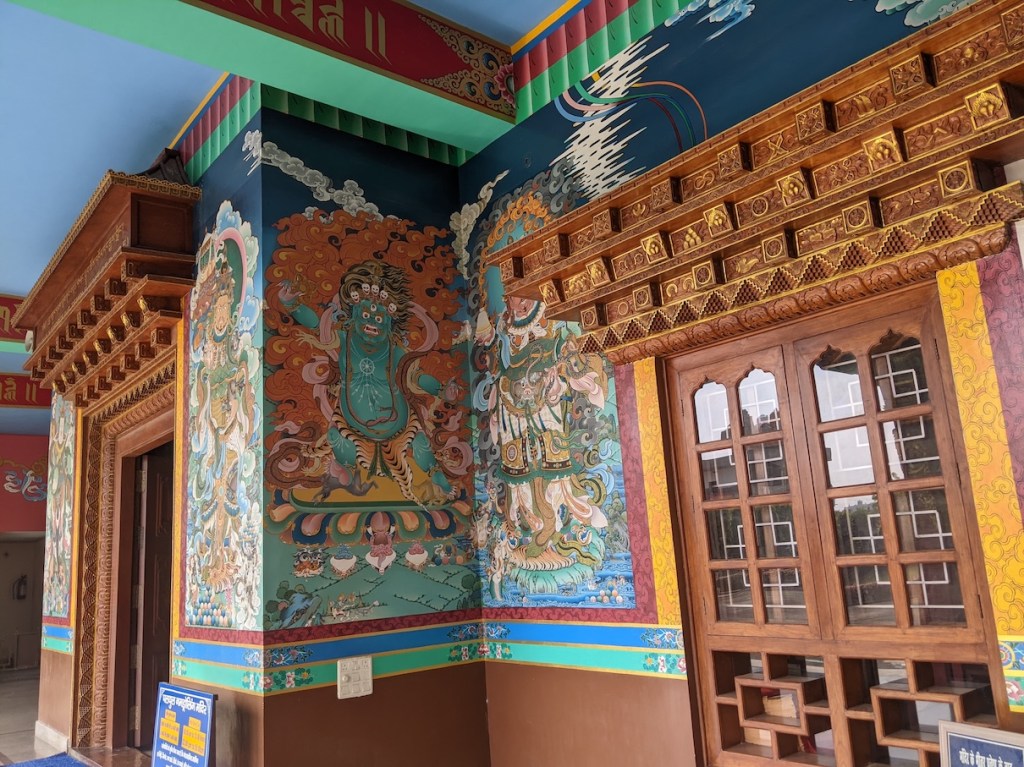
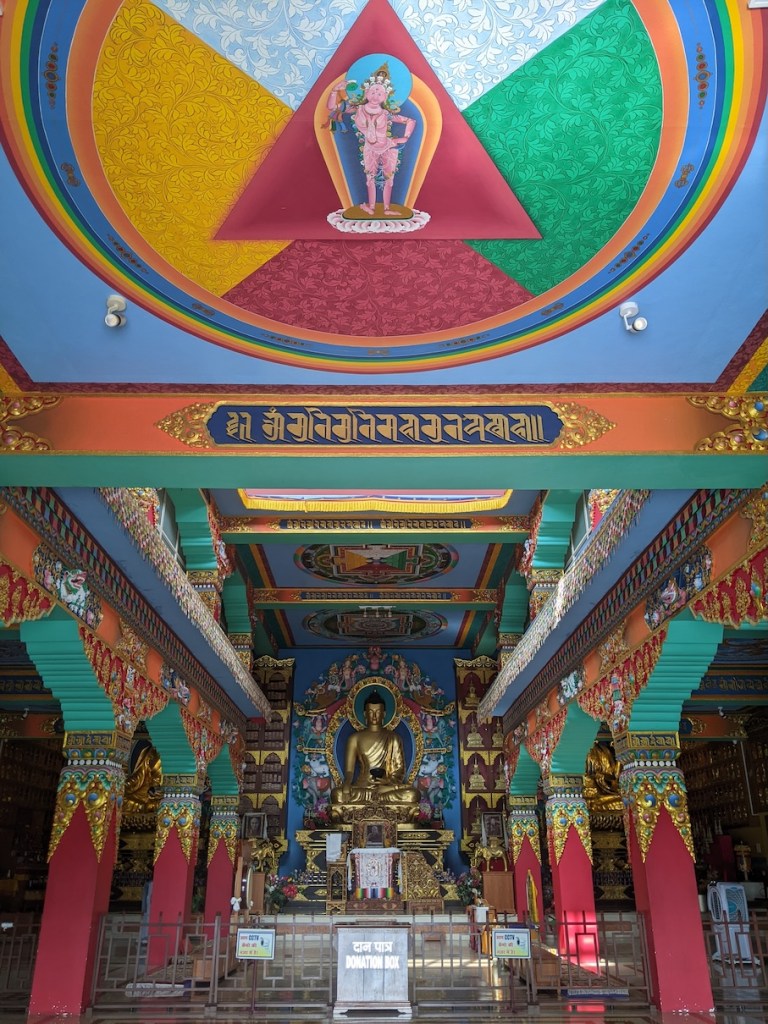
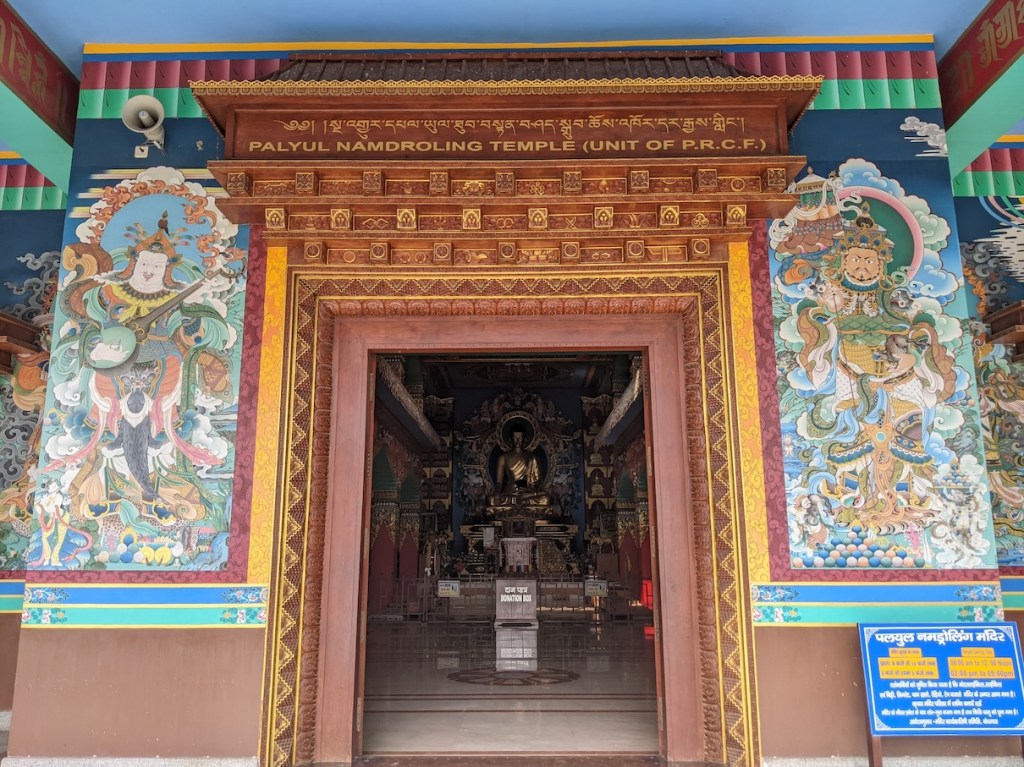
Palyul Namdroling Temple (This was the most beautiful monastery of all! It was wonderful to sit here, meditate and absorb it all in)
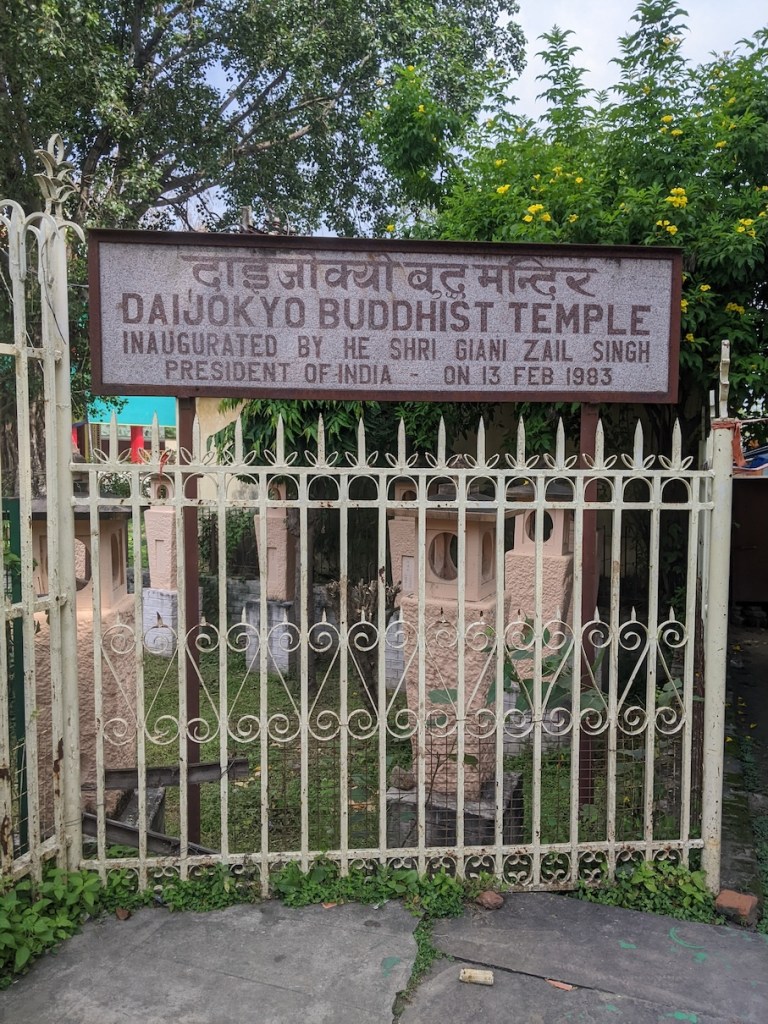
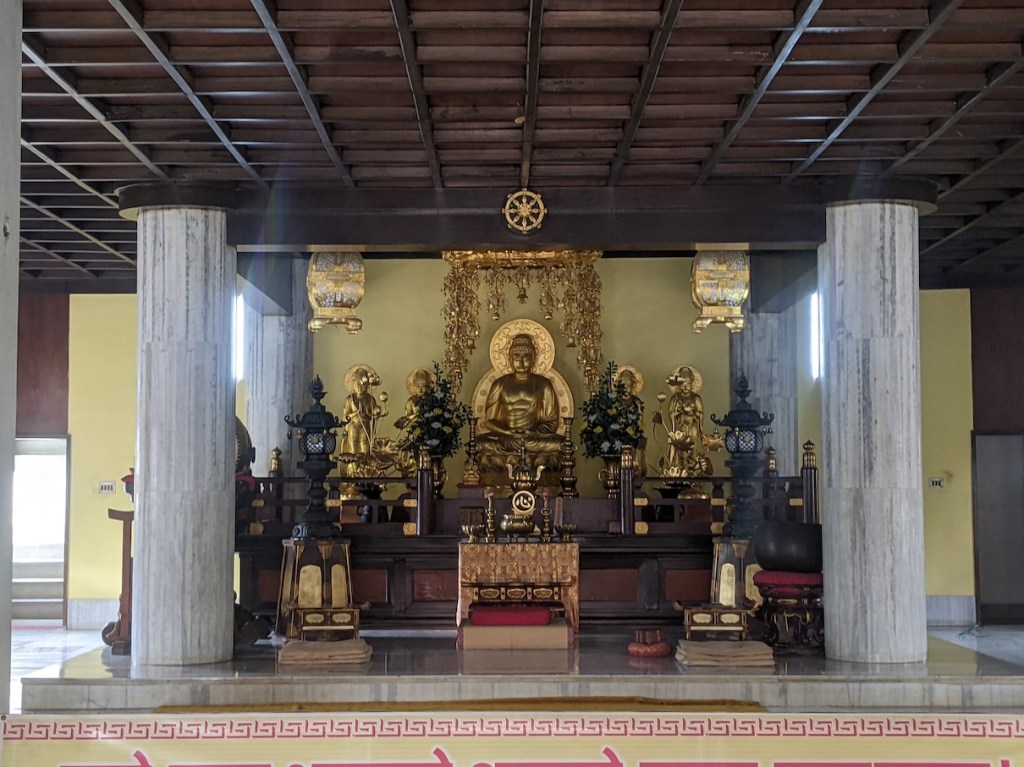
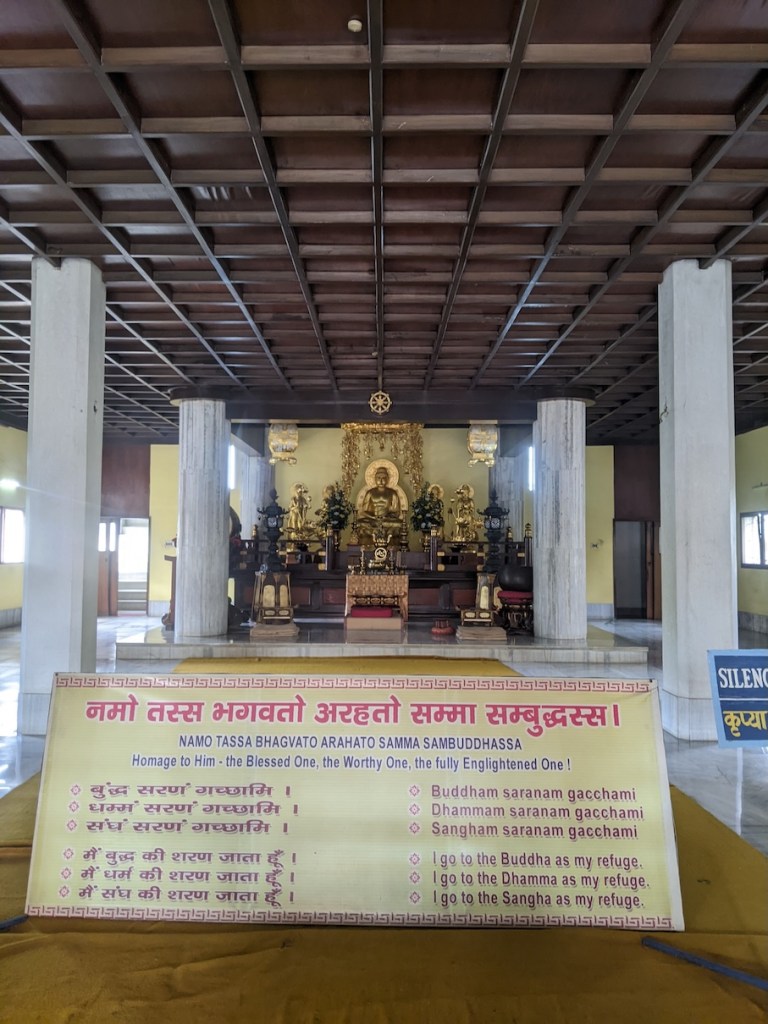
Daijokyo Monastery
The walk itself was easy and unhurried, covering around 1–2 kilometres in total. It’s the kind of morning that stays with you for long.
By the time I covered these monasteries, I started getting calls from my family at the hotel, that breakfast was getting over. It was also getting quite hot. Plus we had to also leave for Gaya to catch train for Howrah. So I decided to call it a day. I caught an auto and headed for our hotel.
The Sleeping Buddha
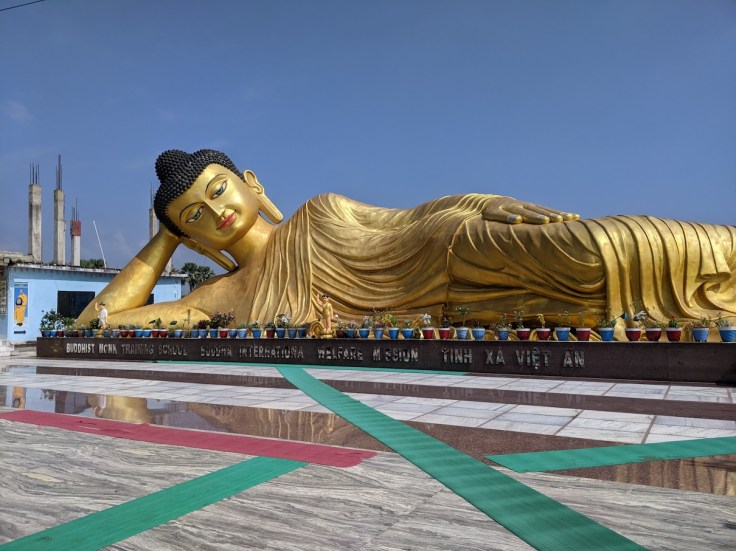
Very close to our hotel was the Sleeping Buddha Statue. On the way back, took a short detour to catch a glimpse of this structure. The statue is massive—possibly one of the largest reclining Buddha statues in the world. Seeing it up close was quite striking and well worth the short visit.
Heading Back
That afternoon, we took the Vande Bharat Express from Gaya to Howrah, bringing our Bodh Gaya chapter to a close.
Final Thoughts
If you’re planning a trip to Bodh Gaya, I would strongly recommend staying close to the Mahabodhi Temple and the monasteries. Being within walking distance makes a huge difference—you can step out early in the morning or late in the evening, explore at your own pace, and truly soak in the calm of the place.
Bodh Gaya isn’t about ticking off sights. It’s about slowing down, walking quietly, and soaking in the environment.
 GugaBaba... My Travellogues...
Leave a comment